

Weather Damage During Car Transport: Who’s Responsible?
Shipping a car across the country means handing it over to someone else for a few days, including control of what weather it drives through. Rain, hail, and dust storms: your vehicle could encounter any of these before it reaches you. So it’s a fair question: if a hailstorm dents the hood or a flash flood soaks the interior, who pays?
The honest answer depends. Not every weather incident makes the carrier responsible, and not every claim gets denied either. This guide explains how weather can affect your vehicle during car transport, when the transporter is responsible, how auto transport insurance works, and what to do if your car arrives with unexpected damage.
Can Weather Cause Damage to a Car During Transport?
Your car spends real time exposed to the elements during a long-distance move, sometimes for several days straight. Unless it’s riding in an enclosed trailer, it sits on an open carrier like it would if you were driving it yourself, except without you behind the wheel to pull over when things get bad. A few weather conditions come up more often than others when people talk about car shipping damage:
- Hail
- Heavy rain
- Snow and ice
- Strong winds
- Dust and debris
- Flooding and severe storms
- Extreme temperatures
Here’s the key difference to understand early: there’s a real difference between normal weather exposure and actual transport-related damage. A car that picks up some road dust crossing three states hasn’t been damaged; that’s just what happens outdoors. A cracked windshield from flying debris or a dented roof from hail represents a different story for a car.
Weather conditions can shift dramatically over a cross-country route. A truck leaving Phoenix in dry heat might roll into a snowstorm in Colorado two days later. None of that is unusual, and none of it is automatically anyone’s fault. What matters is whether the incident caused actual harm to the vehicle and whether that harm ties back to the weather itself rather than how the car was loaded, secured, or handled.
Common types of weather-related vehicle damage
A few specific things tend to show up in weather-related damage claims:
- Hail dents and cracked glass
- Scratches or small dents from wind-blown debris
- Water intrusion or flood-related damage
- Damage from falling branches or other objects
- Road debris kicked up during severe weather
- Paint or exterior wear from environmental exposure
Knowing what counts as weather damage helps you describe the problem accurately if you ever need to file a claim.
Who Is Responsible for Weather Damage During Auto Transport?
This is where things get a little murky, honestly. Nobody can give you a flat yes-or-no answer here, because responsibility usually comes down to a mix of things happening together:
- What actually caused the damage in the first place
- The specific circumstances surrounding the incident
- Whatever insurance the transporter is carrying
- The terms buried in your shipping agreement
- Whether negligence or sloppy handling had anything to do with it
Here’s the part to really think about: just because something happened during the trip doesn’t mean the carrier automatically pays for it. Say a freak hailstorm catches a truck out on the highway with zero warning, no time to pull over, and nowhere to hide. That’s usually treated as one of those unavoidable, nobody-could’ve-stopped-it situations (sometimes called force majeure), rather than a failure on the carrier’s part.
That’s exactly why reviewing a carrier’s insurance and liability terms before you book matters so much. Vague assumptions like “it’s probably covered” tend to fall apart when you actually file a claim. If you have specific worries about weather damage, ask the company directly before you commit. A reputable one won’t dodge the question.
When the auto transporter may be responsible
Carriers can be held responsible when:
- The damage comes from negligent transport practices
- The vehicle wasn’t secured properly
- Safety procedures were skipped
- The carrier’s equipment or careless handling caused the damage
- The carrier’s insurance policy covers the loss
If you think negligence was involved, not just bad weather, document everything. Photos, timestamps, and a clear account of what happened all help your case.
When weather damage may not be covered
On the flip side, there are situations where a claim is less likely to succeed:
- Severe weather that was genuinely beyond the carrier’s control, think tornado winds or an out-of-nowhere hailstorm
- Exclusions buried in the fine print of the insurance policy that most people never read until they need to
- Damage that was already there before the car even got loaded onto the truck
- Personal belongings left inside the vehicle; these almost always fall outside what’s covered
- Specific exceptions written into your shipping contract itself, separate from whatever the insurer lists
The real takeaway: don’t assume something’s covered just because it happened while your car was in transit. Pull out the paperwork and read it before you have to find out the hard way.
How Auto Transport Insurance Works for Weather Damage
Every legitimate auto transporter carries cargo insurance that covers vehicles while they’re in transit. But that insurance is not the same as your personal auto policy or your homeowners or renters insurance, and it’s worth knowing the difference before you ship.
- Carrier cargo insurance covers the vehicle while the transporter has it.
- Personal auto insurance may or may not cover a vehicle being shipped, depending on your policy.
- Homeowners or renters insurance generally doesn’t cover vehicle transport.
Coverage varies quite a bit from one carrier to another, so before you hand over your keys, it’s worth confirming a few things:
- Coverage limits
- Deductibles
- What causes of loss are actually covered
- Exclusions written into the policy
- How the claims process works
A transparent, professional auto transport company should be upfront about all of this without making you dig for it. If a company gets vague or evasive when you ask about car shipping insurance, take that as a signal to pay attention.
What to ask about insurance before shipping your car
A few direct questions can save you a lot of frustration later:
- Is my vehicle covered against weather-related damage?
- What specific types of weather damage does the policy cover?
- What are the policy limits?
- Are there exclusions for severe weather events?
- What does the claims process actually look like?
- Who do I contact if damage occurs?
Getting clear answers before booking puts you in a much stronger position if something does go wrong.
How to Protect Your Car From Weather Damage During Transport
You can’t control the weather, obviously, but you can control decisions that reduce your exposure to avoidable risk. The transport method you pick plays a real role here.
Enclosed transport offers meaningful protection from:
- Hail
- Rain
- Snow
- Road debris
- Dust
This option tends to make the most sense for vehicles where weather damage would be a genuinely expensive problem, including:
- Classic cars
- Luxury vehicles
- Exotic cars
- Collector vehicles
- High-value vehicles
One honest caveat here: enclosed transport isn’t a guarantee against every possible type of damage. It significantly reduces exposure, but it doesn’t eliminate risk entirely. Think of it as better protection, not a sealed bubble.
Open vs. enclosed auto transport for weather protection
Open carriers expose your vehicle to the same conditions it would face if you drove it yourself: rain, sun, road grit, all of it. They’re widely available and generally more affordable, which is why most vehicles ship this way without issue.
Enclosed carriers shield the vehicle from nearly all outdoor exposure, at a higher cost and with less availability. The right choice really comes down to your vehicle’s value and how sensitive it is to the elements. There’s no universally correct answer here; it depends on what you’re shipping and what you’re comfortable risking.
What to Do If Your Car Is Damaged by Weather During Transport
If you notice damage once your car arrives, how you handle the next few minutes actually matters.
Start by inspecting the vehicle carefully before you accept final delivery. Don’t just glance and sign; walk around slowly and compare what you see to the documented pickup condition.
If you spot something, photograph and video it right away. Capture:
- Date and time
- Location
- Type of damage
- Weather conditions, if relevant
- The transporter’s information
Where possible, document the damage directly on the Bill of Lading before you sign it. Once you sign without noting anything, you’ve made your case a lot harder to argue later.
After that, notify the transport company promptly and follow their specific claims procedure. Keep copies of every photograph, document, message, and repair estimate you generate along the way. You may not need all of it, but you’ll be glad to have it if you do.
Why the Bill of Lading matters
The Bill of Lading is essentially the official condition and delivery record for your vehicle. The notes and photos taken at pickup establish what the car looked like before it left, and comparing that to the condition at delivery helps resolve disputes fairly.
Read this document carefully before you sign it, both at pickup and at delivery. If you notice anything new or unexplained, document it immediately rather than waiting to see if it bothers you later.
How to File a Car Transport Damage Claim
Filing a claim isn’t difficult, but it does require some effort to do correctly. Here’s roughly how the process unfolds:
- Get in touch with the carrier as soon as you notice the damage; this isn’t something to sit on.
- Gather your photos and any paperwork you’ve got, then send it all over.
- Hand over the Bill of Lading along with the inspection records.
- If the carrier asks for repair estimates, get those in too.
- Hold onto every bit of communication along the way, emails, texts, whatever.
- Follow through on whatever steps the insurer or carrier lays out from there.
Remember that no two claims are exactly alike. How things end up depends entirely on your situation and what your coverage actually says. Anyone who guarantees you a particular outcome before even looking into it? That’s a red flag worth paying attention to.
Documents to keep for a damage claim
Hold onto these throughout the process:
- Bill of Lading
- Pickup and delivery inspection records
- Before-and-after photographs
- Delivery photographs
- Transport order or agreement
- Insurance information
- Written communication with the carrier
- Repair estimates
- Relevant weather information, if useful
How to Prevent Disputes Over Weather-Related Car Damage
A little prep work on your end saves you a ton of hassle if something does go wrong.
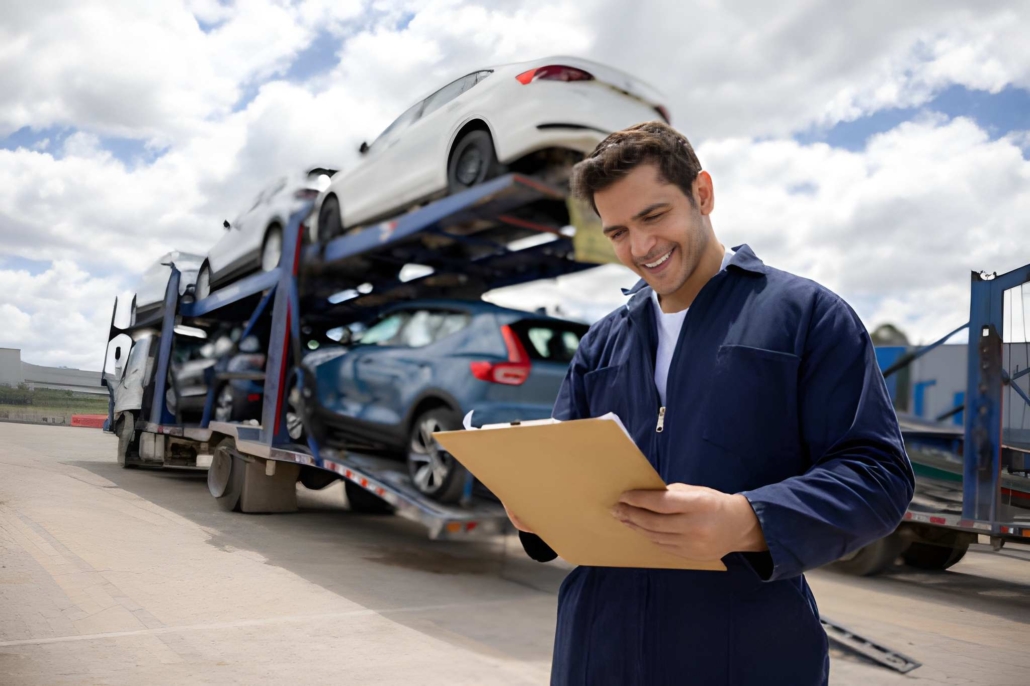
- Snap photos of the vehicle from every angle before it even gets picked up
- Zoom in on any existing scratches, dents, or chips; get those close-ups while you can
- Make sure whoever’s doing the pickup actually records the car’s condition accurately
- Clear out your personal belongings per whatever the carrier asks for
- Ask about insurance coverage before you lock in the booking, not after
- Actually read through the transport agreement’s damage terms; don’t just skim it
- Give the car a proper once-over when it’s delivered, not a quick glance
- If something looks off, flag it immediately; don’t sit on it for a few days hoping it’ll sort itself out
How Preowned Auto Logistics Helps Customers Prepare for Vehicle Transport
At Preowned Auto Logistics (PAL), we make sure customers know exactly what to expect before their vehicle leaves the driveway. That starts with clear communication about pickup and delivery procedures, vehicle condition documentation, transport options, and insurance and coverage information, all explained upfront rather than buried in fine print.
We also help match the shipping method to the vehicle and the situation. A daily driver and a restored classic don’t carry the same level of weather risk, and the right transport option should reflect that. Our goal is practical preparation guidance, not unsupported promises, so you walk into the process with realistic expectations and clear answers to your questions.
Transparency and communication stay consistent from booking through delivery because customers who understand the process tend to have a much smoother shipping experience, whether or not they file a claim.
Frequently Asked Questions About Weather Damage During Car Shipping
Is weather damage covered when shipping a car?
It depends on the carrier’s insurance and what actually caused the damage. Some weather events get covered, others don’t, so it’s worth checking with the carrier directly before you ship.
Who pays if hail damages my car during transport?
Honestly, there’s no blanket rule here. You have to look at what caused the dent or crack, whether your insurance policy covers it, and what your shipping contract says. Every case plays out a little differently depending on those three things.
Does auto transport insurance cover storm damage?
It can, but that’s not guaranteed in every case. Each carrier sets its own terms, so rather than assuming you’re covered, pull up the actual policy and read through it before you commit to a booking.
Can I file a claim if my car is damaged during transport?
You can, yes. Just make sure you’ve got your ducks in a row first: photos, the Bill of Lading, repair quotes, and notify the carrier as soon as possible.
Does enclosed car transport protect against weather damage?
It cuts down your risk considerably since your vehicle stays shielded from rain, hail, and whatever debris kicks up on the road. That said, calling it bulletproof would be overselling it. Damage can still happen.
What should I do if I notice damage when my car is delivered?
Walk around the car and look it over closely, snap pictures, note what you see, and flag it with the carrier without delay, before you sign anything confirming delivery.
Should I take pictures of my car before shipping?
Yes. Timestamped, detailed photos of your vehicle’s condition before transport give you a clear reference point if you ever need to dispute damage later.
Key Takeaways: Protecting Your Car from Weather Damage During Transport
Shipping a car long-distance always carries some exposure to the weather; there’s just no getting around that. What actually happens if damage shows up comes down to the cause, your coverage, and the fine print in your shipping agreement. The good news? A little diligence on your end goes a long way toward keeping things straightforward if something does go sideways.
A few things worth keeping in mind:
- Check on the carrier’s insurance coverage before you sign anything; waiting until after you’ve booked puts you in a weaker spot
- Take the pickup and delivery inspections seriously; they’re easy to rush through, but they end up mattering a lot more than people expect
- Keep your photos and the Bill of Lading somewhere safe; they’re what you’ll lean on if a disagreement comes up later.
- Lean toward enclosed transport when you’re shipping something valuable or a vehicle that doesn’t handle the elements well.
- Get any damage on record with the carrier as soon as you spot it; acting fast strengthens your position and keeps things moving.
- Partner with a provider who’s straightforward about how they operate; it genuinely makes the entire experience less stressful.
So, ready to get your car moving without second-guessing every step? Choose Preowned Auto Logistics for staying upfront about what’s covered from day one, and you’ll thank yourself later when there’s nothing left to untangle.