
Cross-Country Car Shipping: The Most Popular US Routes
Shipping a car across the country should be simple. Point A to point B, right? Then you start looking into it, and suddenly you’re staring at terms like “terminal-to-terminal,” wondering if your route is even common, and guessing whether the quote you got is fair or inflated.
Here’s the good news: most of this stuff follows predictable patterns. Certain routes get shipped constantly because people move for the same reasons, year after year. Once you understand those patterns and what actually drives your quote, the whole process gets a lot less confusing.
What Is Cross-Country Car Shipping?
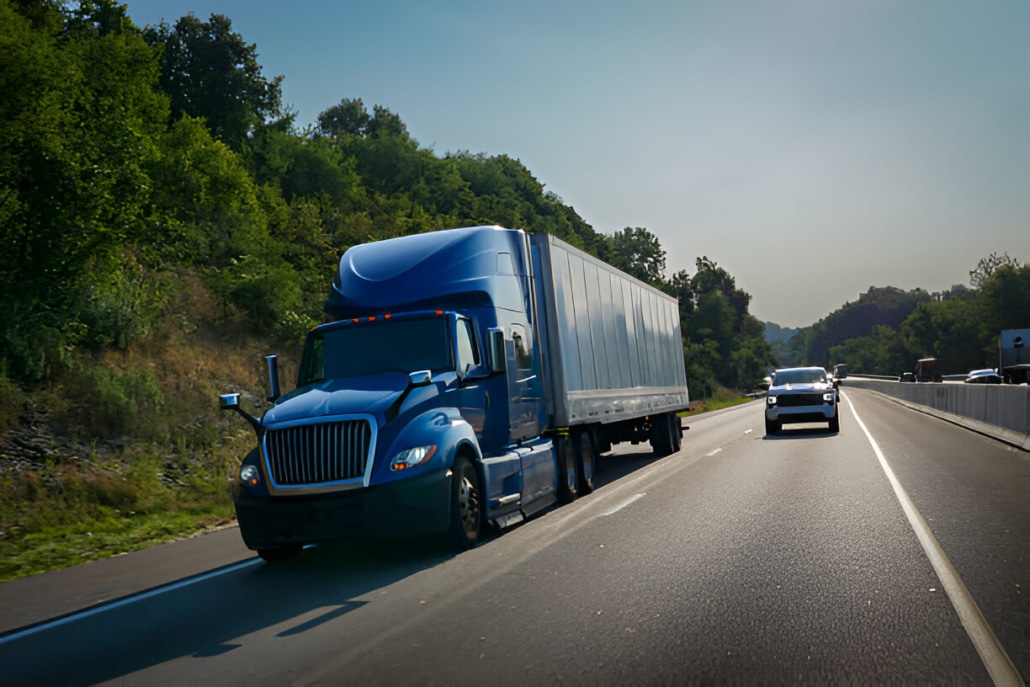
Cross-country car shipping means paying a professional auto transport company to move your vehicle between states, usually long distance, instead of driving it yourself. A carrier loads your car onto a trailer and delivers it, often without you touching the wheel.
Common reasons people ship instead of driving: relocating for work or a major life change, buying or selling a car in another state, seasonal snowbird moves, heading off to college, military transfers with little notice, or protecting a classic, luxury, or valuable vehicle from extra highway miles.
Driving yourself costs time, wears down the car, and adds risk. Shipping means someone else drives, and you get a rested vehicle at the other end.
Companies typically offer door-to-door or terminal-to-terminal service, depending on your location and carrier access.
The Most Popular Cross-Country Car Shipping Routes in the US
These routes aren’t busy by accident. They connect major job hubs, popular relocation spots, and places where people are constantly buying and selling cars. Demand wobbles a bit with the seasons and whatever carriers happen to be running that month, so treat this as a “usual suspects” list, not a fixed leaderboard.
New York to California
New York to California stays packed because it links two of the biggest job markets in the country. People chase work, follow family, or just bought a car on one coast that now needs to land on the other. It’s a long haul, so patience helps. Dense neighborhoods on both ends can make a meetup spot more practical than a driveway pickup, and flexible dates go a long way on a route this size.
California to Florida
California to Florida pulls heavy traffic from retirees and seasonal movers, especially once winter and spring hit and everyone starts chasing warmer weather. Lock in your exact addresses early, and think “delivery window,” not “delivery day.” Long routes just don’t run on the schedule you’d expect.
Florida to New York
Flip it around, and Florida to New York tells the same story in reverse. Snowbirds head south for winter, then ship their car home once the season turns. That peak-season rush fills up carrier slots quickly, so early booking is essential, especially if you’re in an apartment or gated community where access matters.
Texas to California and California to Texas
Texas to California and California to Texas stay busy year-round with relocations and business moves. Your exact ZIP code matters here. Downtown Houston and rural Amarillo are not the same pickup, and neither are LA and small-town Texas.
New York to Florida
New York to Florida rounds things out as the seasonal cousin of the California-Florida run, driven by retirees and job movers. Get your car ready before the carrier shows up, and keep your pickup window loose if you’re juggling a move on both ends.
Other Common US Car Shipping Corridors
Beyond the routes above, several other corridors see steady demand:
- Arizona to Florida
- Washington to California
- Illinois to Florida
- Colorado to Texas
- New Jersey to California
- Georgia to New York
Both regional routes and full coast-to-coast runs vary in how easily they’re serviced. Rather than assuming your trip fits neatly into a top-ranked list, it’s smarter to evaluate your origin and destination and get a quote based on that.
How Much Does It Cost to Ship a Car Across the Country?
There’s no single nationwide price tag for shipping a car. Costs shift based on your route, your vehicle, the transport method, and the time of year, so a personalized quote will always beat a generic number pulled off a website.
That said, a handful of factors consistently move the price:
- Pickup and delivery locations, and how accessible they are
- Total distance and route difficulty
- Vehicle make, model, size, weight, and condition
- Open versus enclosed transport
- Seasonal demand and how many carriers are running your route
- How flexible your pickup date is
- Fuel prices and tolls along the way
- Whether the car runs and drives or needs special equipment
- Remote or hard-to-reach locations on either end
Open vs. Enclosed Auto Transport Pricing
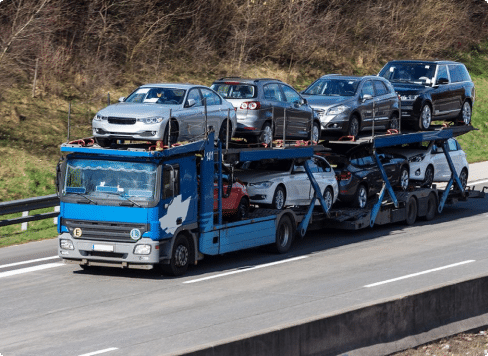
Open transport, where your car rides exposed on a multi-car trailer, is the standard option for everyday sedans, SUVs, and trucks. It’s widely available and generally the more affordable choice.
Enclosed transport shields your car from weather and road debris, so it’s worth it for classics, luxury cars, or anything collectible. It costs more since it needs specialized trailers and extra care, but if your car’s genuinely valuable, that protection pays for itself.
How to Get an Accurate Car Shipping Quote
To get a number you can actually trust, be ready to share:
- Your origin and destination ZIP codes
- The exact year, make, model, and condition of your vehicle
- Whether it runs and drives
- Your preferred transport method
- Your desired pickup window
It also helps to ask directly what’s included, what insurance covers, and whether any fees might be added later. Read the quote details carefully before you commit to anything.
How Long Does Cross-Country Car Shipping Take?
Three different timelines are actually at play here: how long it takes to schedule pickup, how long the truck is actually on the road, and the total time from booking to delivery. People often confuse these, then get frustrated when “shipping time” doesn’t match what they expected.
Weather, traffic, carrier routing, and how many other vehicles are being loaded or unloaded along the way all affect the final timeline. Longer routes naturally take longer, and that’s just the nature of moving a vehicle a few thousand miles.
What Affects Delivery Times
A few factors have the biggest impact:
- Total mileage on the route
- How accessible your pickup and delivery points are
- Carrier scheduling and availability
- Weather and road conditions
- Seasonal demand spikes
- Loading and unloading multiple vehicles along the way
- Special handling needs for your specific car
Planning Around Your Delivery Date
Book as early as you reasonably can, especially during busy seasons. Give yourself a delivery window instead of pinning your plans to one exact day, and ask the transport company how they’ll keep you updated if anything shifts. Until the car actually arrives, it’s smart to have a backup way to get around.
Which Auto Transport Method Is Best for Cross-Country Shipping?
There isn’t one “best” method for everyone. The best option depends on your budget, your vehicle, and how much protection you need.
Open Car Transport
Most everyday vehicles ship this way. Your car rides on an open trailer alongside others, exposed to the elements, but this option is often more affordable and widely available because so many carriers use open trailers.
Enclosed Car Transport
If you’re shipping something valuable, a classic, a high-end luxury car, or anything collectible, enclosed transport shields it from weather and road debris. It costs more, but for the right vehicle, that tradeoff makes sense.
Door-to-Door vs. Terminal-to-Terminal Transport
Door-to-door means the carrier picks up and delivers as close to your address as a large truck can safely get. Sometimes that means a nearby parking lot instead of your literal driveway, especially if you’re on a narrow street.
Terminal-to-terminal means dropping off and picking up your car at a designated facility instead. It’s not available everywhere, so confirm what your route actually supports before assuming either option is on the table.
How to Prepare Your Car for Cross-Country Shipping
A little prep work can help you avoid delays. Before pickup, you’ll generally want to:
- Clear out personal belongings from the interior
- Remove or secure any loose aftermarket parts
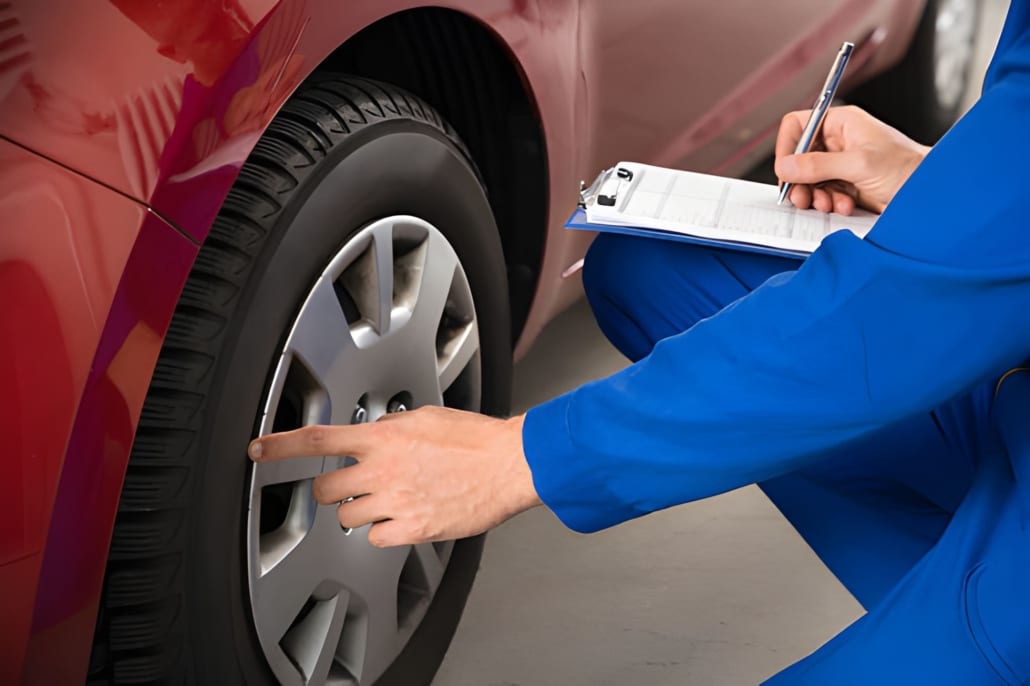
- Wash the car so damage is easy to document
- Photograph the car’s exterior from every angle
- Note existing scratches, dents, or chips
- Check tire pressure and fluid levels
- Leave roughly a quarter tank of fuel
- Disable alarms as instructed
- Make sure the battery is secure
- Keep a spare key handy if needed
- Remove or deactivate toll tags
Have these documents ready too:
- Have these ready to go:
- A valid ID and your contact info
- Vehicle registration or proof of ownership
- Your booking confirmation
- Pickup and delivery addresses
- Anything about mods or mechanical issues, even minor ones
And if your car isn’t running right now, just say so upfront. Non-running vehicles need different equipment to load, and not every carrier can handle that. Flag it before you book and you’ll save yourself a headache on pickup day.
How Does the Cross-Country Car Shipping Process Work?
If this is your first time shipping a car, here’s how the whole thing actually plays out:
1. Grab a quote. Tell them where the car’s coming from, where it’s headed, what kind of vehicle it is, and when you need it moved.
2. Pick your option and lock it in. Weigh your choices, lock in a pickup window, and read the cancellation policy before you sign off.
3. Get ready for pickup day. The driver shows up, walks the car with you, notes every scratch and ding, and once you hand over the keys, it’s on its way.
4. Keep tabs on it. Stay reachable while it’s in transit. Weather and scheduling hiccups happen, so don’t be surprised if the timeline shifts a bit.
5. Check it over at drop-off. Walk around the car, compare it to your pickup notes, and speak up right away if anything looks off. Once it checks out, you’ve got your car and your keys back.
What Safety and Reliability Factors Should You Consider?
Choosing a legitimate transport company matters as much as choosing the right route.
Check that the company holds proper federal registration, since interstate carriers and brokers fall under the Federal Motor Carrier Safety Administration’s oversight. Confirm the information through official channels, and figure out whether you’re dealing with an actual carrier or a broker who arranges the shipment through someone else. Either can work; just know which one you’re talking to.
Ask about cargo insurance too. Coverage terms and limits vary by provider, so get the specifics in writing and document your car’s condition thoroughly before it leaves your hands.
Red flags to watch for:
– The price keeps changing, or nobody can give you a straight number
– They’re pushing you to pay right now; no room to think it over.
– You can’t get a clear answer on who’s actually driving your car.
– They dodge questions about insurance instead of just explaining it.
– Someone promises an exact delivery date, no ifs or buts (that’s not how this works)
– No written confirmation of your booking, just a verbal “you’re all set”
How Seasonal Demand Affects Popular Routes
Vehicle shipping demand isn’t flat year-round. Winter and spring bring a wave of snowbird traffic between northern states and warm-weather destinations like Florida and Arizona, so booking ahead of that rush buys you more scheduling flexibility.
Summer brings its own spike, driven by families relocating, employees starting new jobs, and students heading to or from college. If your move falls during any of these windows, request your quote early, confirm your exact addresses, and stay flexible on pickup timing wherever you can.
Common Mistakes to Avoid
A few common mistakes lead to most of the problems people encounter:
- Booking before confirming exact pickup and delivery locations
- Choosing a provider purely on the lowest advertised price
- Not disclosing modifications or mechanical problems
- Leaving prohibited items inside the vehicle
- Skipping a check on the company’s credentials and insurance
- Expecting an exact delivery date instead of a window
- Waiting too long to book during peak season
- Forgetting to document the car’s condition before pickup
- Not reading the shipping agreement closely
- Failing to ask about extra fees or cancellation terms
Why Choose Preowned Auto Logistics?
Every route has its own quirks, timing pressures, and pricing factors, and matching you with a transport solution that fits your move can make the difference between a smooth shipment and a stressful one. Preowned Auto Logistics works with customers across the country to find the right fit for their vehicle and route.
Give us your pickup and delivery details, your vehicle info, and when you’d like it moved, and you’ll get a quote built around your actual shipment, not some generic ballpark. Ready to get your car on the road? Request your personalized quote and see exactly what your route looks like.
Frequently Asked Questions
What’s the most popular route for shipping a car across the US?
It shifts with the year and the season, but coast-to-coast corridors like New York to California and seasonal routes tied to Florida stay consistently busy.
How much does it cost to ship a car across the country?
It depends on your route, vehicle, transport method, and timing. A personalized quote gives you a far more accurate number than any flat estimate.
How long does it take?
Transit time depends on distance, carrier scheduling, weather, and your delivery location. Your pickup window and total delivery timeline aren’t the same thing.
Is it cheaper to drive or ship?
Compare fuel, food, lodging, tolls, mileage, and time against a shipping quote. For longer distances, shipping often comes out ahead once you factor in your time and vehicle wear.
What’s the best way to ship a car long distance?
It depends on your budget, your vehicle type, and how much protection you want. Open transport suits most everyday cars; enclosed transport suits higher-value vehicles.
Can I ship a car from one state to another?
Yes, this process is standard interstate shipping. Just confirm the provider actually services both your origin and destination.
Should I choose open or enclosed transport?
Open works fine for most standard vehicles. Enclosed makes more sense for classic, luxury, or collectible cars.
Can I ship a car that isn’t running?
Some providers can, but it usually requires special equipment. Disclose the condition before booking so they have the right gear on hand.
How far ahead should I book?
Book early, especially in peak season. It buys you way more flexibility on pickup timing.
How do I prepare my car for shipping?
Clear out personal items, document existing damage with photos, and confirm the car’s condition matches what you’ve disclosed.
Is my car insured during transport?
Cargo insurance covers some damage, but the details can differ by carrier. Get it in writing before you book, not after.
Can I ship a car door to door?
Pretty much, yes. Though it’s not recommended for narrow streets that can’t handle a big rig, they may ask you to meet nearby instead.
Plan Your Shipment with Confidence
It really comes down to a few things: the right route, a clear sense of what’s driving your cost, a realistic delivery timeline, and a car that’s actually ready to go. Nail that upfront and everything else falls into place.
Got a seasonal move or a tight deadline coming up? Don’t wait on this one. Get your personalized quote now and see exactly how the entire cross-country shipment process works, from route optimization to on-time delivery.