
How Auto Transport Works for Cross-Country Relocations
Moving is hard. Not just physically but emotionally as well. So many things have to be packed up and put in your new residence, not to mention what to do with your car. Most people think, “I can just drive it myself.” But getting stuck in traffic and flat tires can occur when crossing the country. So there can be wear and tear on your car and increased costs.
That’s why cross-country car shipping is valuable. It uses professional auto transport services that know exactly how to ship your vehicle across the country affordably, effectively, and efficiently for everyone involved. For you, it saves time, mileage, and, surprisingly, it can even save money. This is an excellent option for college students, families being transferred by their employers, or customers who buy cars from out of state.
While it seems complicated, auto transport nationwide is straightforward. The rest of this guide explains what auto transport is, types of transportation, how it works, and why so many customers trust Preowned Auto Logistics’ nationwide shipping services.
Step-by-Step Overview of Cross-Country Auto Transport
Step1: Getting your quote and booking
As you might expect, everything begins with obtaining a quote. Most companies, such as Preowned Auto Logistics, will have an online form you can fill out or ask you to call them. To obtain a quote, you will be asked:
- What city/state or ZIP codes are the pickup and delivery locations?
- What make, model, and year is your vehicle? Is it running and operable? Is the vehicle oversized in any way?
- Do you want an open carrier or enclosed transport?
- What date do you want the pickup and delivery to occur?
Asking you these questions provides enough information to generate an accurate quote. The key here is that the quote should list ALL charges that you will owe prior to loading over the phone or online. If there are any other fees to expect that are not mentioned in the initial quote, it is ASKING UP FRONT! If the company cannot quote an exact price, expect a range with the lower and higher ends.
The quote is then locked in to reserve space for your transport. Do not extend dates too far in advance. If the dates/schedule work for you, it is best not to extend the pickup or drop-off dates too far (three months or beyond).
IMPORTANT: If you are looking to transport the vehicle during the summer months (May – August), or around the holidays, NOW is the time to book to get the most favorable transport pricing and the best availability! Don’t wait until a few weeks out to book! Find out what you can expect and make your booking now!
Step2: Preparation for transport: checklist and things to do
To ensure a smooth and friendly vehicle pickup and also help protect your vehicle from damage during transit, please make sure you follow these instructions before the driver arrives:
Here’s the basic vehicle preparation checklist.
- Remove all personal belongings, including aftermarket accessories (if left, expect them to be damaged).
- Lower or remove the antenna. The vehicle will be loaded on a trailer with clearance that may hit the antenna.
- All devices must be kept inside and secured (such as race car alarms, etc) as they may hit the ceiling of the trailer when loaded.
New cars must have the front license plate bracket removed. Most new cars come equipped with a bracket glued to the front bumper. The bracket must not be installed! If shipping a new vehicle, you must remove the front plate bracket, and if factory-installed, the front lip spoiler, as the trailer has a low clearance due to the height of the vehicle.
No over-full or non-working battery vehicles are accepted. Flare or non-working battery vehicles must be trailered. There may be an extra charge to pick up/trailer these vehicles.
Step3: Pickup process & transport timeline
Your assigned driver picks up your car on the scheduled day of your shipment/pickup. For door-to-door auto shipping, they come right to your house. If you choose terminal-to-terminal car shipping, the driver waits for you to drop off your car at the terminal depot.
Pickup process:
- The driver walks around and inspects your vehicle and notes its condition.
- You go inside the cab of the truck and sign the Bill of Lading, a legally binding form that states your car’s current condition and shipping terms.
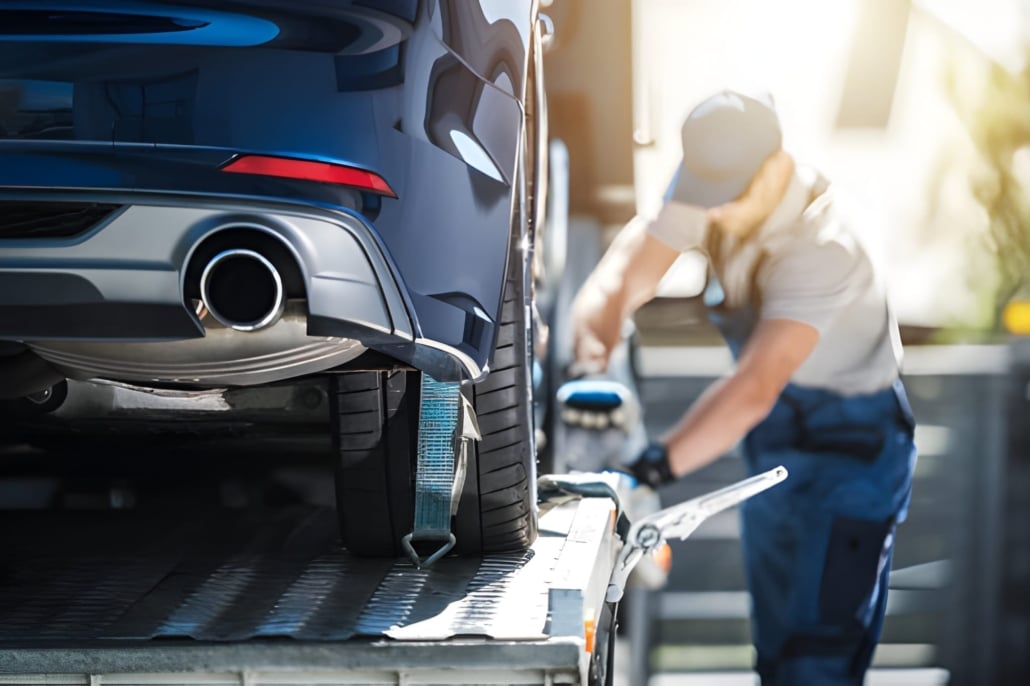
- The driver gets the car loaded on the carrier, a truck that’s either open or enclosed, depending on what you booked.
Car shipping transport timeline
Car shipping timelines are affected by several factors and could take anywhere from a couple of days to even weeks. Key factors include:
- Distance from pickup to delivery locations.
- Weather along the route & anticipated delays.
- Traffic congestion, road closures, etc.
- Carrier’s scheduled pickup/delivery times.
Transporting a car across the country via long-distance auto transport typically takes anywhere from 5-10 days or so for most experiences. Car shipping companies are expected to provide real-time updates.
Step4: Final delivery & inspection upon arrival
When the driver arrives at your vehicle’s drop-off destination, they will contact you to set up a delivery plan. If you opted for door-to-door service, they will drop off your vehicle at your new location. If your vehicle was taken to a terminal, then that’s where you’ll need to retrieve your vehicle.
- At delivery, thoroughly inspect the car. You should use your pre-pickup photos to check for any inconsistencies or damage. Make sure there are no new scratches, dents, or other issues.
- Once you determine there are no issues, simply sign your name on the final paperwork, and thanks for using our vehicle transportation services!
- If the vehicle has damage, take plenty of photos and immediately report these to the driver and claim via the transport company’s insurance.
Understanding Your Transport Options
The options you choose when transporting your vehicle can affect the cost, convenience, and whether your car arrives in good condition. Understanding your options can help you make the right decision for your car, whether you’re moving for a job, to go back to college, or to live in another part of the country.
Here’s a breakdown of how different types of carriers work, the two methods of transporting your car, and what’s unique about transporting a car long distance.
Open carrier car shipping
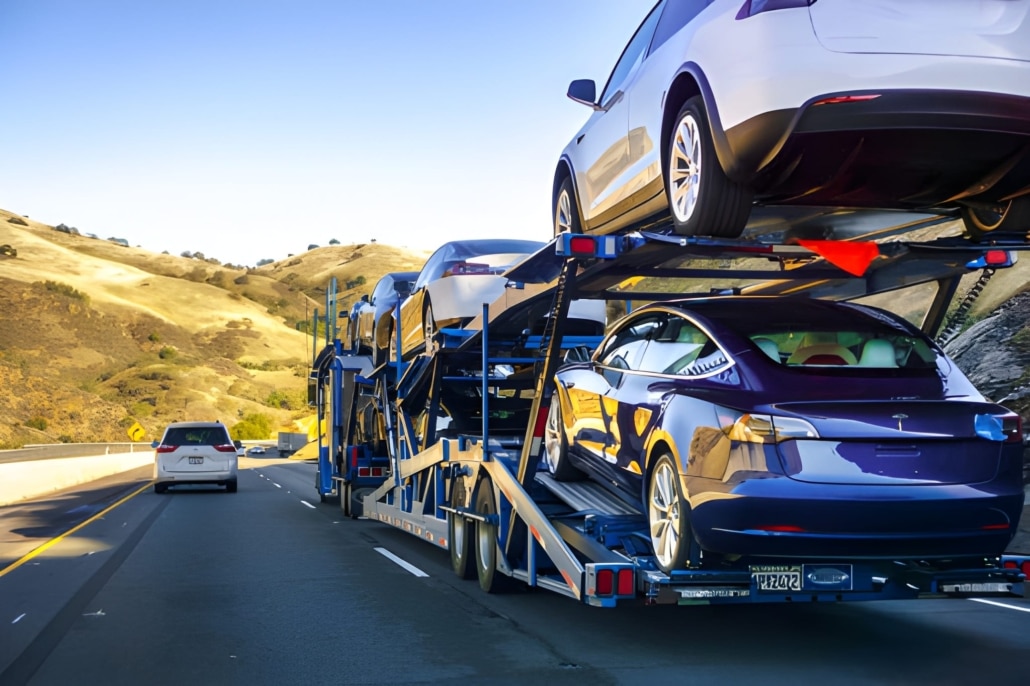
Most auto transport companies feature open carriers because they’re the most common option and the least expensive. This type of trailer can haul multiple vehicles at a time, and the vehicles will be subject to the elements with no roof or walls. Your vehicle will be exposed to weather and road grime, but open transport is safe and usually the default option for standard vehicles.
Open carrier shipping pros include:
• less expensive than enclosed transport
• readily available due to demand
• good for average, everyday vehicles and used cars
Enclosed car transport
An enclosed carrier provides greater coverage. The vehicles are loaded inside a carrier that protects them from rain, dirt, and tumbling rocks. For this reason, enclosed auto transport is recommended for classic cars, high-end cars, or any vehicle needing extra protection.
Advantages of enclosed carriers
• Full coverage: the best option for protecting vehicles from the elements.
• Less cosmetic damage: the interior is less prone to dents, door scratches, and other problems.
• Insurance is often required: if you own a luxury car, you would want to transport it in an enclosed carrier.
Door-to-door vs. terminal-to-terminal shipping
After deciding on your carrier type, the auto transport pickup and drop-off method comes next. Most reliable vehicle shipping service offers either door-to-door or terminal-to-terminal service.
Door-to-door shipping services
Door-to-door auto transport services are the most popular and convenient way to transport vehicles. With this service, the transport company picks up your car or truck from the seller’s door (home, work, or another location) and transports it directly to the buyer’s address.
These services have many advantages:
• No terminal drop-off or terminal pickup before or after a long-distance move.
• A terrific time saver during an important and busy relocation.
• Often convenient for families, professionals, college students, and more.
This option works best when the driver can access both the pickup or door and drop-off destinations with an oversized transport truck. If the truck cannot access the location, the driver will contact you to meet at a nearby location with a truck-accessible area.
Terminal-to-terminal shipping services
Terminal-to-terminal transport is less complicated. The buyer (or seller) is responsible for taking the car or truck to an assigned transport terminal. The vehicle is then brought to the destination terminal. Once it arrives, the buyer (or seller) must go to the transport terminal(s) to pick up the vehicle.
Terminal-to-terminal shipping is slightly less expensive than door-to-door services, better for customers on a budget. Transport terminal pickup/drop-off can be a viable option when the pickup or drop-off destination has limited or no access for large transport trucks. Sometimes the transport terminal offers a longer pickup grace period than private sellers or buyers. Transport terminals usually offer additional storage options and flexibility.
The downsides are that using terminal-to-terminal services requires more travel. Plus, it may require additional waiting time or delays, which can also be difficult for time-crunched customers. This can be challenging, especially when you are trying to schedule multiple moving-related events.
Long-distance transport: special considerations
Transporting a vehicle across state lines requires unique considerations that arise with long-distance transport, which can impact the timeliness, cost, and overall experience of the move. Here’s what to consider before choosing long-distance auto transport:
Weather conditions by season
Seasonal weather can have a significant impact when planning vehicle transport. Snowstorms, hurricanes, or extreme heat can interrupt or delay scheduled vehicle transport. Enclosed carriers provide some degree of protection from extreme weather, but open-air trucks expose vehicles to more extreme elements.
Tips
• Avoid seasonal delays: Schedule during winter or summer – peak seasons can slow your transport
• Check the weather: Pay attention to the forecast on your transport route
• Think about transport: Enclosed transport might be your best bet for high-value cars in extreme cold or heat
Delivery schedule
An auto transport for moving across state lines takes an average of 5-10 days, and that time can vary quite a bit depending on the distance it must go. Traffic, road issues, and mechanical breakdowns can all impact how long it takes. Since most customers wonder how long it will take for their car or truck to arrive, the best transport services offer an estimate when you book, along with frequent updates about changes to the schedule.
As you plan your vehicle relocation, keep in mind:
• Transport times may vary from the schedule – you may have to wait a few days or more.
• Communicate your timeline constraints.
• Confirm delivery modes when reserving your transport.
Pros and Cons of Cross-Country Auto Transport
If you’re moving to a faraway destination, it makes sense to hire a cross-country auto transport service. But is shipping your car worth it? Like other services, auto transport comes with its own set of pros and cons. Here are some key points to help you decide if it’s the best option for you.

Pros of auto transport
Saves you time
Driving cross-country takes days. From pit stops to meals to overnight stops and bathroom breaks, traveling can be time-consuming. Not to mention weather, accidents, or other unexpected road stops. When you ship your car, you can use that time to plan, pack, and settle into your new home without having to worry about what it takes to drive your car. If you have time constraints already, whether from work, a busy family life, or school, this can be a big benefit to help you get settled.
Less wear and tear on your vehicle
Driving across the desert, mountains, or through heavy traffic adds unwanted wear and tear to your car. You have to change your oil sooner, as well as pay for the depreciation of your car at a faster rate. All of this potential for mechanical issues on the road can come up at the most inconvenient time. If you’re leasing a vehicle or plan to sell your car when you move, avoiding the long drive helps your car stay in its best possible shape.
Secure, insured transport
Cross-country auto transport companies are licensed and bonded with skilled drivers behind insured carriers. Your vehicle gets picked up by a flatbed truck with multiple auto shipping spots and shipped cross-country by trained professionals. If something unexpected happens, you at least have the peace of mind of the insurance that your carrier has, so you won’t be left paying for a repair out of your pocket.
Ideal for family, job, or student relocation
If you have kids, are changing jobs, moving for school, running a business, or have any other major relocation coming up, driving your car across the country isn’t realistic. Popular professional shipping services take a big concern off your plate and give you one less worry to deal with during a demanding transition.
Cons of auto transport
Here is a general list of some common disadvantages of cross-country auto transport services.
Transportation service pricing
Although there are some standard price lists, auto transport services are based on a variety of different factors that can change rates. Most auto shipping companies consider the following:
• the zip codes of the pickup and delivery locations;
• the make, model, and size of the vehicle;
• open transport versus enclosed transport;
• and the seasonal demand and freight fuel surcharge.
To better comprehend how these factors apply, consider the following example.
Example 1: An economy sedan being transported from Boston to Chicago in open transport.
Example 2: An oversized luxury SUV being transported from Los Angeles to New York City in enclosed transport.
The first shipment would take a few days and a flatbed truck. In contrast, the second shipment might involve an enclosed carrier over several states. The costs associated with these options would be significantly different and may play a key role in deciding which option to choose.
Premium options cost more.
In addition to the basic transportation service, there are options available to the shipper that come with higher price tags. For example, enclosed transport and door-to-door service are recognized as premium options and may be worth the added cost to some shippers. However, these options may not appeal to others who are on a budget. Be sure to obtain multiple quotes and thoroughly review all the details to ensure you understand what it is you are paying for before signing a contract.
Booking early is crucial.
Booking your car carrier transport service just because you like the rates will not guarantee your preferred dates. And actually, booking your pickup and delivery dates may just close those options even if you’re not ready to book. Why? Because companies want to haul a full load to keep costs down.
The timeline isn’t always perfect.
Once booked, auto transport companies usually quote longer timelines as a type of safety net.
They do this to fit their fullest schedules. Yet during transport, there are tons of factors that can affect a shipment’s timeframe. Traffic delays, detours, truck repairs, or even something as common as a flat tire may arise and can easily cause a ripple effect of delays.
Limited access to your vehicle during transit
When you use car transport services, you won’t see it, nor will you have access to it until it’s delivered. A significant negative if you plan on using your vehicle for errands, work, or school.
But if you’re moving, you probably know already that you can’t move in one day. So if it’s going to be days before your vehicle arrives, factor in that you’ll need a rental or access to public transportation, or a change in travel plans.
What to Look for in a Cross-Country Car Shipping Company
Car shipping companies are abundant and varied across the country, but not all will provide you with peace of mind when you ship your car with them. Here are three key features to look for in a car shipping company.
Verifiable licensing and insurance
Any auto transport company you consider booking with should be properly licensed and insured. While that may seem like an obvious requirement, avoid the temptation to skip research into this detail; thousands of unlicensed “brokers” are currently operating on the internet and elsewhere, offering suspiciously low quotes. Securing transport through them could result in a costly price hike during transit or no transport at all.
USDOT and FMCA
Legitimate auto transport companies are registered with the U.S. Department of Transportation (USDOT) and the Federal Motor Carrier Safety Administration (FMCSA). Before making a reservation, be sure to ask the carrier for their MC or DOT number. Reputable carriers will gladly provide this information. You can look it up on the FMCSA website to determine whether or not that carrier is authorized to transport vehicles.
Next, you’ll want to verify that the company carries insurance. Legitimate transport services maintain liability and cargo insurance to cover vehicles in case of damage during transit or delivery. Request a copy of the carrier’s certificate of insurance and ask them what is covered.
Transparent pricing and professional communication
Shipping a car across the country can be pricey, so it’s important to factor in as many details as possible when considering cost. A shipper’s pricing isn’t just a number; it includes the breakdown of fees associated with shipping. Prices that are “too good to be true” usually are. Many car shipping companies list low base rates to entice customers, who are then hit with endless fees after making a reservation. When getting quotes, consider asking companies the following questions:
• Can I get a preliminary estimate that includes all fees?
• Are there any contingencies that would lower or raise the price?
• What is the price difference if I choose open versus enclosed transport?
Honest companies will provide you with a price estimation and make you aware of possible price variations. The company should also communicate clearly with you, over the phone and in writing. When approaching a company, pay attention to how the associates communicate with you. Are they explaining the process with clarity? Are they honest and professional? Are they providing realistic timeframes instead of vague answers?
Knowledge of long-distance logistics and route mapping
Someone with experience knows that shipping cars between states requires a different approach than simply moving a car across a large city. The logistics are much more complicated, and there are often multiple stops that need to be planned for. If you need to ship a car across the country, look for an experienced company that uses efficient routes. Get details on how long a particular company has been in business and how frequently they ship cross-country. Experienced cross-country shippers have already figured out how to navigate:
• Route delays caused by bad weather.
• Road restrictions, such as weight-limited bridges.
• Multiple deliveries and pickups on the same route.
Experienced auto transport companies know how to select the best drivers and carriers based on their network. They can deliver vehicles with less downtime and greater scheduling efficiency. Newer companies don’t have experience navigating the challenges of cross-country freight shipping and may not have a sufficient network. These companies could risk making promises that they can’t deliver and could leave your vehicle stranded.
Why Preowned Auto Logistics Is Ideal for Cross-Country Moves
With a reputation for reliability and a full range of options to choose from for shipping, it’s easy to see why PAL is such a popular choice among people, families, and companies making that big jump.
Nationwide coverage
Did you know that multiple options are one of Preowned Auto Logistics’ strains? You don’t have to worry about searching for a carrier that can cover the entire route? Go coast to coast, from sea to shining sea. Simply put, if it’s a point in the U.S.A., chances are, Preowned Auto Logistics has you covered. Whether it’s a route from a major city on the East Coast to a rural area in the Midwest or the Pacific Northwest to a small town in the Deep South, Preowned Auto Logistics’ entire network of carriers ensures safe and fast delivery of your vehicle. You can relax in the knowledge that Preowned Auto Logistics can deliver anywhere in the continental United States.
Multiple options for all types of vehicles
Every vehicle and every move is a little different, and Preowned Auto Logistics understands that. What’s more, not everyone uses their vehicle for the same purpose. For most shippers, standard open carrier transport is the first option they may consider. It’s the most economical, gets the job done for standard cars and SUVs, and is the most widely used. But some prefer extra protection for classic vehicles, high-end luxury cars, or just for some extra peace of mind. In those cases, an enclosed carrier is the way to go.
Door-to-door service is also a popular method for enhancing the standard experience. Instead of picking up or delivering in a yard, terminal, or depot, the driver will get as close to the pickup or drop-off point as it’s safe and legal to do. This adds an extra layer of convenience by minimizing the time spent waiting in yards and terminals.
Personalized customer service
Ease and convenience are key elements of any marketing program, and it all starts with the quote process. Speaking with a live representative, customers are stepped through the entire process, with ample opportunity for asking questions or making requests. Arrangements for pickup at specific time windows are made after a proper appraisal of practical and safe routing options.
But that’s just the beginning of the high level of personalized service that Preowned Auto Logistics offers its customers. During the shipment period, regular updates are provided, and voice communications with a member of the transport team can be arranged if desired. Customers can enjoy the reassurance of knowing they’re just a phone call away from getting important status updates on their vehicles thousands of miles from home.
Customer support you can trust
For reliability when shipping vehicles across the country, many customers turn to Preowned Auto Logistics for a reason. Individual customers use our applications when relocating their automobiles as part of moving from one state to another.
Families use them for shipping a child’s car ahead to college, or when relocating a family and multiple vehicles. Corporations use PAL’s services when arranging for employee relocations or for adding or replacing vehicles in a fleet. In all these cases and more, customers have learned they can count on Preowned Auto Logistics to get their vehicles delivered safely, on time, and without hidden fees in just three simple steps.
Conclusion
Relocating across the country comes with plenty of moving parts, and figuring out how to get your car safely to your new destination doesn’t have to be one of the stressful ones. Using a professional auto transport service takes the pressure off, saves time, and protects your vehicle along the way. By planning, confirming the right service, and scheduling early, you’ll avoid last-minute hurdles and enjoy a smoother relocation experience.
Preowned Auto Logistics combines nationwide coverage, flexible transport options, and attentive customer support to deliver peace of mind on every trip. Don’t wait until the moving day is around the corner; get a free quote today and contact Preowned Auto Logistics for a secure, stress-free cross-country car shipping experience.