
Classic Car Shipping Guide
You’ve spent years tracking down the right parts, getting the paint just right, and keeping everything running the way it should. Then it comes time to ship the car somewhere, and suddenly you’re handing your keys to a total stranger and hoping for the best. That tense feeling is completely normal.
Here’s the thing, though. Your classic car isn’t just a way to get around. It’s history, it’s your passion project, and honestly, it’s probably worth a lot of money too. So you can’t just pick any shipping company and cross your fingers. Classic and antique cars need to be handled very differently than a regular car off the lot, and knowing that upfront can save you a lot of money by preventing damage you never had to deal with in the first place.
Why Classic and Antique Cars Need Specialized Shipping
Here’s the truth nobody wants to hear: older vehicles are just plain more fragile than modern ones, and they need to be treated that way. Original paint from the 1960s isn’t like the polyurethane-coated finishes on today’s cars. It chips, fades, and scratches far more easily. And what about those rare parts that make your car special? Good luck finding replacements. We’re talking weeks or months of hunting, and occasionally they simply don’t exist anymore.
The collector value of your car lives or dies based on condition. A pristine example might fetch 50% more than one with visible damage or a messy restoration history. That’s not something you want to gamble with. Then there are the mechanical realities too. Vintage vehicles often have delicate suspension systems, unique brake setups, and components that just don’t hold up well under the vibration and stress of a standard cross-country haul.
Standard open-bed carriers are built for everyday vehicles that can take rough handling. Your classic can’t take that kind of treatment. It needs carriers who actually understand these cars, who know how to load without stressing the suspension, who’ll treat your vehicle like it was their own.
Choosing the Best Transport Method for Classic Vehicles
Enclosed transport: Maximum protection
If you own a genuinely valuable classic car, enclosed transport is your safest bet, hands down. Think of it as a protective cocoon for the whole trip. The trailer shields your car from:
- Rain and snow that can seep into door seals and weather stripping
- Dust and road debris kicked up by highway traffic
- UV exposure that fades paint and breaks down rubber components
- Salt spray in coastal areas that speeds up rust
Enclosed trailers use soft tie-down systems instead of chains, plus hydraulic lift gates that lower your vehicle gently onto the trailer bed. That matters because your car never gets dragged, never has its wheels bouncing on pavement, and never takes on unnecessary stress.
Enclosed transport works best for antique cars, muscle cars, exotics, restored classics, and anything headed to auction. Yes, it costs more; usually 50% to 100% more than open transport, but you’re paying for peace of mind on a vehicle you can’t just replace.
Open transport: When it makes sense
Open transport is the budget option, and sometimes it’s the best choice. If you’ve got a daily-driven classic that’s already seen plenty of miles and weather, or you’re shipping a project car that’s more rust than restoration, open transport can work fine. Your car still gets professionally transported. It just won’t be sheltered from the elements or road conditions along the way.
Weigh the savings against your car’s value and condition before deciding. For anything worth more than $15,000, enclosed transport is usually worth every extra dollar.
Step-by-Step Checklist Before Shipping Your Classic Car
Before your car ever reaches the carrier, you need to prep it properly. This isn’t busywork, but your insurance against disputes later and a way to catch existing issues before they get blamed on the shipping company.
Clean the vehicle
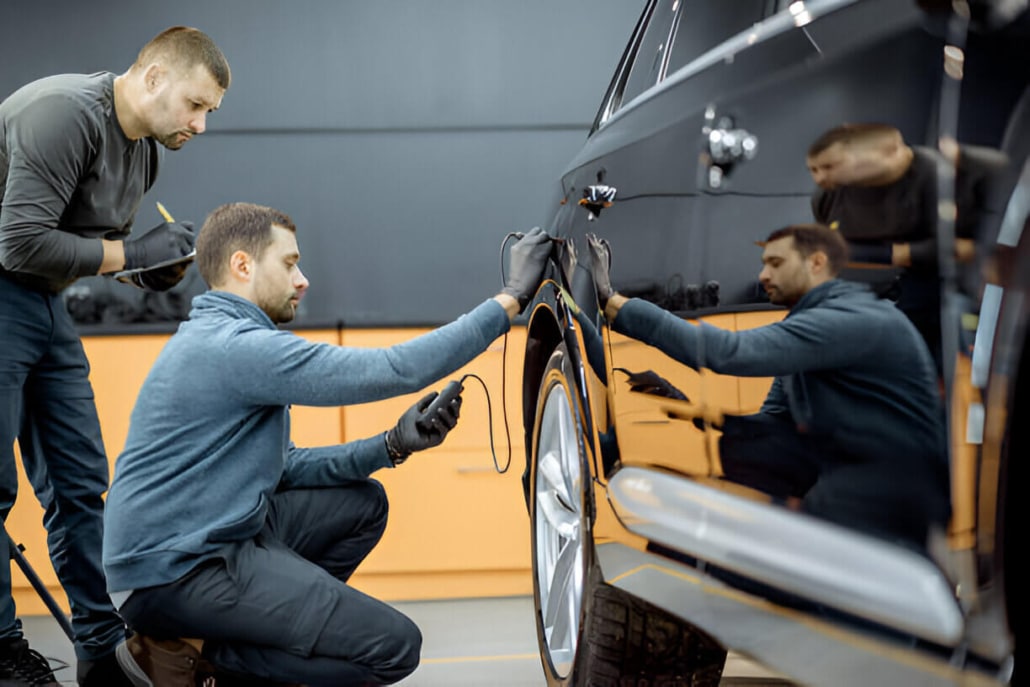
Start with a thorough wash. Clean the exterior, get those wheels spotless, and hit the undercarriage too if you can manage it. Why bother? Because dirt and grime hide damage. Once your car is clean, existing dents, chips, and scratches become obvious. That’s exactly what you want, because it makes the next step clear.
Photograph every angle
Take timestamped photos from every angle: exterior, interior, wheels, engine bay, and undercarriage if you can get to it. Get close-ups of any existing imperfections too. These photos become your documentation if a dispute comes up during transport. They’re not just nice to have. They’re essential.
Document vehicle condition
Beyond photos, write down the specifics. Existing dents, paint chips, scratches, chrome condition, glass condition, upholstery wear, all of it. Be honest and thorough. This written record, paired with your photos, gives you an ironclad baseline to compare against at delivery.
Check for fluid leaks.
Before pickup, check for leaks in the oil, coolant, brake fluid, transmission fluid, and fuel. Your carrier needs to know about these ahead of time. A leaking vehicle can damage other cars on the trailer, and it creates a liability headache nobody wants.
Secure loose parts
Hood ornaments, mirrors, antennas, spoilers, convertible tops, and hardware. Anything that can vibrate loose should be secured or removed entirely. Pay extra attention to custom trim and aftermarket pieces, since replacements might not even exist anymore.
Reduce fuel level
Keep your tank at roughly a quarter full. This improves safety during transport since there’s less flammable liquid onboard, cuts down the vehicle’s weight, and generally makes handling easier for the carrier.
Battery and tire check
Charge the battery fully, get your tires to the right pressure, and make sure the parking brake actually works. If your car runs, confirm it starts and steers properly. These little details matter a lot during loading and unloading.
Disable alarm systems
Turn off any car alarms or security systems. This prevents random interruptions during transport and keeps the battery from draining unnecessarily.
Remove personal items
Auto transport regulations flat out prohibit personal belongings inside vehicles. Insurance won’t cover them anyway, and loose items rattling around inside create a risk of damage: empty the glove box, the console, and the trunk.
How to Prepare Non-Running Antique Vehicles
If your classic doesn’t run, tell your carrier well in advance. They’ll need specialized gear like winches, lift gates, and possibly custom trailers built for inoperable vehicles. That affects pricing, but it’s not something you can skip if your car can’t move on its own. Accurate vehicle information really matters here, since the carrier needs to know exactly what they’re working with to bring the right equipment. Some carriers specialize in non-running vehicles and have gotten pretty skilled at it, developing their own tricks for safely loading and securing a car with zero help from the engine.
Understanding Insurance Coverage for Classic Car Shipping
Here’s something people don’t think about enough: just because a carrier has cargo insurance doesn’t mean your car is covered for what it’s actually worth. Don’t just accept what they say. Ask them straight up for a certificate of insurance, then actually look at the policy limits yourself. A lot of standard cargo policies have exclusions and dollar caps buried in them, and those caps can be way lower than your car’s real value. You don’t want to find that out after something’s already gone wrong.
It’s worth considering supplemental collector vehicle insurance before you ship. This kind of coverage actually understands what your car is worth and gives you better protection during transit. It’s fairly inexpensive too, and it gives you real peace of mind. Some insurers even offer agreed-value policies made specifically for collectible cars, which skip the appraisal process entirely if something goes wrong. Read the fine print closely, because some policies require enclosed transport anyway, which lines up with what you should probably be doing regardless.
What Happens During Vehicle Pickup
Initial inspection
The carrier will walk around your vehicle, comparing its actual condition to what was described when you booked. They’ll verify the VIN, check the mileage, and jot down any damage that’s already there. And this is the moment when all those photos and notes you took earlier finally matter.
Bill of lading
The Bill of Lading is a legal document, and it’s an important one. It records your car’s condition, confirms the pickup happened, and later on, it verifies the delivery, too. Read it carefully before you sign. If the driver notes damage you don’t agree with, speak up immediately. Once you sign, that document becomes the standard everyone compares against at delivery.
Professional loading process
Pay attention to how your car gets loaded. Experienced carriers use hydraulic lift gates and soft straps, never chains. They position the vehicle carefully to avoid stressing the suspension and make sure there’s proper clearance throughout the trailer. Good loading looks deliberate and careful. If it doesn’t look right, stop and say something.
How Classic Cars Are Protected During Transit
A good enclosed trailer isn’t just a box on wheels. Barrier systems keep your car from shifting around too much during the drive, and soft tie-downs hold it steady without chewing up the paint or stressing the suspension. Add in real weather protection, and rain, snow, and UV rays never even touch your car the whole way there.
The best carriers also plan their routes to avoid rough roads whenever possible. Most use GPS tracking too, so there’s always some accountability built in, and they’ll actually keep you in the loop instead of going dark for days. Many tracking setups now let you watch your car’s progress almost in real time, which makes planning for delivery much easier. Some carriers go even further with daily photo updates, so you always know where your car actually is.
Delivery Day: What to Expect
Set up a delivery appointment ahead of time. Don’t just show up expecting the carrier to have a slot ready for you; that’s not how it works. When your car does arrive, take your time with the final inspection. Pull up those pickup photos and actually compare them side by side with how the car looks now. Give the Bill of Lading another read while you’re at it. If you notice anything new, even something small, take photos right there and have the driver sign off on it before you sign for delivery. Once you accept the car, it gets a lot harder to make the case that the damage happened in transit.
Common Mistakes to Avoid When Shipping Classic Cars
Don’t pick a carrier based solely on the lowest price. Using open transport for a high-value vehicle is a gamble you really don’t need to take. Forgetting to document the condition leaves you exposed if something goes wrong. Leaving valuables inside (which goes against the rules anyway) risks theft and damage. Skipping insurance verification means you find out about a problem way too late. And waiting until the last minute to book just forces you into whatever’s available instead of what you actually want.
Research your transporter’s reputation before you commit. Check online reviews, ask other classic car owners for references, and pull the carrier’s licensing and insurance yourself. Don’t just go along with what they say. Disclose any mechanical issues upfront, and don’t skip the prep steps. They exist for good reason. One more mistake people make often: underestimating transit times, which can leave you dealing with storage headaches or missed appointments on the other end.
Factors That Affect Classic Car Shipping Costs
Distance is the obvious one. Shipping 500 miles costs a lot less than hauling something 2,000 miles across the country. But size and value matter too, and so does whether you go with enclosed or open transport. If your car doesn’t run, expect to pay more for that too, since it takes extra equipment and extra time to load.
Timing matters more than most people think. Spring and fall are peak seasons for classic car shipping, so prices climb right along with demand. Ship in the off-season instead, and you can save real money if your schedule allows it. Location plays into it as well. Rural pickups and drop-offs often cost more, because carriers have to make extra stops to get there. Throw in fluctuating fuel prices, extra fees for expedited shipping, and routes with spotty carrier availability, and you’ve got a price that shifts more than people expect.
Why Experience Matters When Shipping Collector Vehicles
Experienced carriers just handle things differently. They have the right equipment, drivers who know how to handle vintage vehicles instead of treating them like any other car, real know-how when it comes to loading properly, and they keep you informed instead of leaving you guessing. They offer transparent pricing, carry the right licensing and insurance, and have real nationwide experience moving collector vehicles specifically. Carriers who’ve been around a while often have relationships with repair shops along major routes too, which can be useful if something unexpected comes up during transit.
That experience is why your car arrives in the same condition it left in, which is all you’re paying for.
Frequently Asked Questions About Shipping Classic and Antique Cars
Is enclosed transport worth it for classic cars?
For vehicles worth more than $15,000, yes, without question. For project cars or lower-value classics, open transport can work just fine.
How much does classic car shipping cost?
It depends on distance, vehicle value, transport method, and seasonal demand. Get a few quotes so you actually understand the market.
Is my antique vehicle insured during transport?
Carriers carry cargo insurance, but check the limits yourself. Supplemental collector vehicle insurance is often worth adding.
Can non-running classic cars be shipped?
Yes, with specialized equipment. It costs more, but it keeps the vehicle safe.
How far in advance should I schedule?
Book as early as you can, especially if you’re shipping during peak season- think spring and fall, when everyone else has the same idea.
Can I ship personal belongings inside?
No. Insurance won’t cover them, and loose items create a risk of damage.
What’s the safest way to ship a vintage vehicle across the country?
Enclosed transport with an experienced, properly insured carrier.
How long does classic car shipping take?
Distance, route, weather, and the carrier’s schedule all play into how long the trip actually takes. Just ask upfront for a realistic timeframe, not some best-case number they think you want to hear.
Protect Your Investment with Safe Classic Car Shipping
Your classic car is worth more than just money. It’s passion, history, pride, and years of work. It deserves transport that respects all of that, not just a truck and a driver who doesn’t care. Prep it properly before pickup, document everything, go enclosed if it’s worth anything at all, and find carriers who genuinely get why vintage cars can’t be treated like a rental car headed to the airport.
So start planning early. Get quotes from a few different carriers, not just one. Check their experience with collector vehicles specifically, not just cars in general. And don’t default to whoever’s cheapest. Ask about their claims history, how they train their drivers, and whether they’ve actually handled a car like yours before. Do that groundwork, and your car shows up safe. You get the kind of peace of mind that only comes from knowing real professionals handled your investment the way it deserved.