

Car Shipping Scams to Watch Out for Before You Book
Car Shipping Scams to Watch Out for Before You Book
Shipping a car can be stressful at times, and for good reason. Complaints about auto transport and freight fraud are increasing rapidly. FBI and industry reports show an increase in elaborate schemes, such as falsely claiming to be a genuine company. Reports indicate that fraud increased by 400% from 2022 to 2023, and that cargo theft losses totaled nearly $725 million in 2025.
That’s why it’s important to be aware of the warning signs before you book. At PAL, we do auto transport simply, clearly, and safely, so that you can ship worry-free.
Why the Auto Transport Industry Is Vulnerable to Scams
Auto transport is especially vulnerable to scams, and there’s a reason for that.
The industry is highly fragmented.
Thousands of small trucking companies operate alongside hundreds of brokers, and there isn’t one major brand that everyone recognizes. That lack of structure makes it easier for dishonest players to slip through the cracks.
Most of the process also happens online.
From getting quotes and scheduling transport to making payments. Many people buy vehicles without seeing them in person, often through online marketplaces or faraway auctions. They’re excited about the purchase, short on time, and quick to trust the first quote that promises fast, low-cost shipping.
First-time car shippers face the biggest risk.
They often don’t know what a fair price is or which documents to ask for. So they go with the cheapest option and hope for the best. That’s usually where problems begin.
The best defense is to be informed and cautious. A little research can help you avoid scams, spot red flags early, and make a safer shipping decision. That’s a good place to start.
Most Common Car Shipping Scams to Watch Out For
Bait-and-switch pricing
A quote that seems too good to be true usually is. Companies lure you in with a low estimate, then add charges, fuel surcharges, truck upgrades, and driver fees once you’re committed. Once your car is loaded, they hold all the leverage. Vague contract language gives them legal cover to raise the price, and some won’t release your vehicle until you pay.
Fake company scams
Some operations exist solely to steal your money. They fake just enough credibility, a low quote, a polished website, and a stolen DOT number to close the deal. Once payment clears, they disappear. Never rely on what a company tells you about itself. Verify everything independently.
Upfront deposit fraud
A small, traceable deposit is normal. A large upfront payment via wire transfer, cash app, or cryptocurrency is not. Those methods offer zero consumer protection. If the company vanishes after collecting, so does your money.
Double brokering
You hire Company A. Without telling you, they pass your shipment to Company B, which passes it to Company C. By 2025, this had become a near-daily problem across the industry—the result: delays, loss of accountability, and, in serious cases, a stolen vehicle.
Fake insurance coverage
Some companies say you’re covered. Verify it yourself. Request a certificate of insurance, confirm what it actually covers, and call the insurance provider directly to validate the policy. Forged insurance documents exist; don’t take the broker’s word for it.
Ghost delivery or abandonment scam
Your car gets picked up. Then silence. Some scammers pose as legitimate brokers or carriers just to steal from you. They take your money and never ship your vehicle, or take your money and steal your vehicle.
Tech-savvy scammers hack into the transport company’s system to change transport details—no need to alter actual paperwork. Once in the system, they can view and update details for any vehicle shipment, almost as if they were shopping for cars online.
Step-by-Step Checklist to Avoid Car Shipping Scams
Before booking (research phase)
Start by checking the company’s USDOT and MC numbers on the FMCSA website. Any legitimate auto transport company should have them. Then read customer reviews on trusted platforms like Google Reviews, Trustpilot, and the Better Business Bureau. Make sure the company’s name, address, and phone number match across the FMCSA database, its website, emails, and contract. And if a quote seems far lower than everyone else’s, treat it as a red flag.
During booking
Read the terms and conditions before signing anything or paying; have them put in writing the quote, pickup and delivery dates, insurance coverage, and responsibility for delays or damage. If a company hesitates to provide you with a written agreement or pressures you into signing quickly, that should be a red flag.
Before vehicle pickup
Request the name of the carrier, contact information for the driver, details of the truck, proof of insurance, and confirmation of coverage limits in writing, confirm the pickup date and time or window of pickup (this is before pickup day), and make sure they have a clear timeline and communication from a legitimate company.
During transit
Stay in contact with the driver or broker throughout your shipment, especially if there are any schedule changes. Preserve copies of all e-mails, messages, contracts, receipts, and correspondence. If you don’t receive a reply at the scheduled time, follow up with the company for an update.
At delivery
Stay in touch with the driver or broker throughout the shipment, and receive updates, especially if the timing changes. Keep copies of all emails, texts, contracts, payment records, and any other communication. If the company does not contact you when you expect them to, request a status update.

Red Flags That Indicate a Car Shipping Scam
Some warning signs are subtle. Others are obvious. Either way, don’t ignore them.
- A quote well below market rate. Suspiciously low pricing is rarely a deal — it’s bait. Extra charges appear after you’ve signed, and by then, you have little leverage.
- Pressure to pay immediately, with no written contract. Legitimate companies don’t rush you. If they won’t put the agreement in writing before taking your money, that’s your answer.
- No verifiable USDOT or MC number. Run every company through the FMCSA database. If their numbers don’t check out, stop there.
- Evasive answers and unusual payment requests. Any company that avoids questions and asks for payment by wire transfer or gift cards should be avoided.
- A vague contract. If your contract isn’t transparent about pricing, carrier names, and delivery dates, it isn’t protecting you.
Common Mistakes That Lead to Car Shipping Scams
A lot of what people believe about car shipping simply isn’t accurate. Here’s what reality actually looks like.
“All brokers are scams.”
Not true. Brokers sit between you and the carriers. They don’t own trucks; they manage a vetted network of them. Think of them as travel agents for your vehicle. They handle the logistics, negotiate pricing, and match your shipment to the right carrier. A licensed, well-reviewed broker adds genuine value to the process.
“A higher price means a safer service.”
Not necessarily. Price matters, but verification matters more. A company’s credentials, licensing, and track record tell you far more than their rate sheet ever will.
“Licensed companies don’t scam people.”
Licensing is a starting point, not a guarantee. Even insurance certificates can be forged. If something feels off, dig deeper and call the companies involved directly. Don’t stop at the license.
“Door-to-door means delivery right to my front door.
Usually not. Large carriers often can’t navigate residential streets. A nearby meeting point is completely standard practice, not a red flag.
“My shipment is automatically insured.”
It isn’t. Coverage varies by company and policy. Always ask what’s included, what’s excluded, and verify it directly with the insurance provider before you commit.
How a Reliable Auto Transport Company Operates
A reliable auto transport company keeps it clear from start to finish. You know what you’re paying for, who is moving your vehicle, and what to expect at each step.
• The quote is the price. No extra fees. No fuzzy terms. No surprises after booking. Any trustworthy company will give you a clear quote, a fair term for the work, and explain everything that could affect time or cost in advance.
• Every carrier vetted. Your vehicle should not be passed around without your knowledge— and should only be assigned to carriers that are reliable, licensed, and insured.
• Communication does not stop just because you’re booked. A trustworthy company keeps you updated from booking through dispatch, pickup, transit, and delivery. Nobody should be chasing answers.
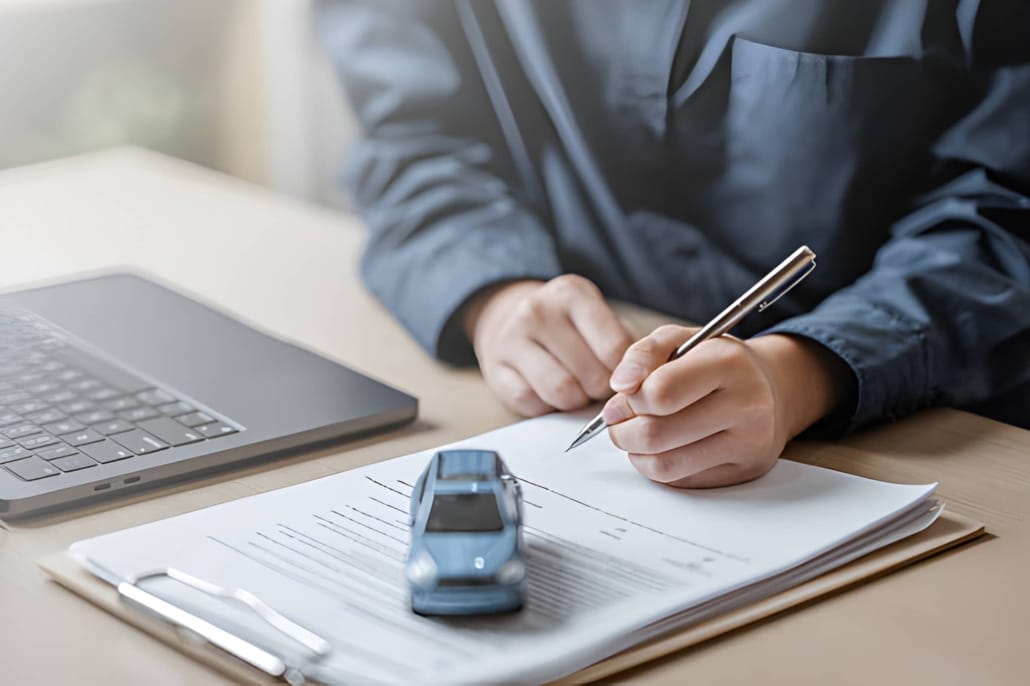
• The paperwork is always in order. A legitimate transporter will promptly provide licensing and insurance documents when requested. If a company doesn’t feel like answering those questions, that seems suspicious.
• Timelines are honest. It does not overpromise just to take your business. Real, honest companies give you honest timelines and simple explanations, and make themselves available if plans change.
At PAL, that is exactly how we specialize, with providers across the country, dispatched carriers, a simple quote process, and a customer-focused communication style. We should always make your vehicle shipment feel clear, simple, and organized from start to finish.
How to Recover If You’ve Been Scammed
Acting fast limits the damage. Here’s exactly what to do.
1. Stop all further payments immediately. Do not send more money to the same operator — not even to “release” your vehicle. Any company that demands additional payment after a dispute has already begun is not acting in good faith.
2. Document everything. Save every email, text message, contract, receipt, and payment record. Before you file a complaint, pull together all the documents that back up your claim: contracts, email exchanges, payment receipts, and any other records that detail your dealings with the broker.
3. File a complaint with the FMCSA. Filing a complaint with the FMCSA helps identify transporters and brokers who have been reported for violations of commercial regulations. These complaints, along with other data sources, are used to determine which companies the FMCSA may investigate.
4. Contact your bank or credit card provider. Dispute the charge immediately. Credit cards offer the strongest consumer protection for exactly this situation. Wire transfers, cash apps, and cryptocurrency payments offer no recourse, another reason never to use them.
5. Report to consumer protection agencies. File a report at ReportFraud.ftc.gov. The FTC uses reports received through its Sentinel network as the starting point for many law enforcement investigations. While the FTC does not intervene in individual complaints, Sentinel reports are a vital part of the agency’s law enforcement mission.
6. Rebook with a verified company. Before you commit to a new booking, pull up the carrier in the FMCSA database to confirm their USDOT and MC numbers. Start with the reviews, verify licensing, and never hand over a large deposit upfront again.
Frequently Asked Questions About Car Shipping Scams
How do I verify if a car shipping company is legitimate?
Check their USDOT and MC numbers on the official FMCSA website to ensure they’re active and registered as a broker. This step is crucial, so don’t rely only on what they say. Then look up reviews on Google, Trustpilot, and the Better Business Bureau; each can show different details that aren’t always obvious at first.
Are deposits required for car shipping?
A modest up-front deposit usually keeps a spot reserved, though paying in full can work as well, depending on the conditions. The decision often tilts toward your chosen agent and toward maintaining a clean paper trail.
What is the safest way to pay for car shipping?
Using a credit card lets you file a dispute if the service doesn’t deliver as promised. Think of it as your backup plan when everything goes wrong. Meanwhile, wire transfers are dangerous due to a lack of safeguards. Cash-focused services are weak in this department as well, and so are crypto transactions, since reversing one is effectively impossible.
Can a broker be trusted in auto transport?
Sure thing! If they have the right license and credentials, they’re good to go. Brokers act as the middlemen linking shippers with carriers. They don’t handle transportation or take on cargo liability. A broker who has a legitimate MC number and positive reviews is both authentic and useful.
What happens if my car is damaged during transport?
Make sure you note everything on the Bill of Lading when you pick up. Before signing the delivery receipt, check for damage and report it. The carrier’s insurance covers damages only if they’re noted at the time of delivery. It’s wise to confirm insurance coverage before shipping.
How common are car shipping scams?
Scams are increasing. The Federal Trade Commission (FTC) estimates that Americans lost more than $12.5 billion to scammers in 2024, nearly 25% more than the year before. This is a good way to learn how scammers work so you can avoid them. The earlier you can identify the scam, the better you can avoid it.
Is it safe to book car shipping online?
Sure, just make sure to check anything first. Verify their USDOT and MC numbers. Check reviews and references on different sites. Never sign anything or agree to anything until everything is in writing.
What should I do if the price changes after booking?
Check the contract now. A real company tells you about changes in writing and lets you back out. If they don’t, just leave.
Conclusion: Stay Informed and Ship with Confidence
Car shipping scams are on the rise, but they are not unavoidable. Every scam covered in this guide follows a pattern. And every pattern has a counter-move. Verify the company. Read the contract. Protect your payment method. Document everything.
The checklist in this guide isn’t busywork; it’s your protection. Two minutes of verification can save you thousands of dollars and weeks of frustration.
That’s what we care about here at PAL. Honest prices. Experienced carriers. Clear communication. Our language coordinators are knowledgeable, and our coverage extends across the country. And—still even after payment, we’re here to help:
Get a clear quote now. Chat with us. Feel secure when you ship, not just hopeful.