

Car Transport Made Safer: A Practical Checklist to Minimize Fraud Risks
Car Transport Made Safer: A Practical Checklist to Minimize Fraud Risks
Car transport fraud in America is becoming a serious concern. A report revealed that more than a third of shippers (dealerships, auctions, and OEMs) had been the victim of transportation fraud in the last three years. Nearly half of the reported cases involved the ghost carrier, followed by double brokering and vehicle theft.
Financial risks to a dealership, for instance, with a typical 10-15% margin, could mean needing to sell 10-30 additional vehicles to cover the loss of one vehicle. Did you know that shippers who work with traditional brokers or load boards are 72% more likely to be scammed than those who partner with verified carriers or a direct-to-carrier marketplace? If you’ve been stuck in a logistics standstill or a trust breakdown, Preowned Auto Logistics’ carefully vetted carrier network, locked rates, and total transparency can help.
Understanding Fraud Risks in the Auto Transport Industry
Multiple structural causes of high risk of fraud in auto transport:
- Varying regulation: Carriers and brokers face different regulatory obligations, with no consistent means of enforcement across state lines.
- Entry of opportunists: High demand for car transport has eliminated barriers to illegitimate parties posing as carriers or brokers.
- Customer inexperience: Customers who have never shipped a car are most commonly targeted.
- Online deception: Carriers can claim false credentials via email, and a false listing can look nearly as convincing as a real one.
Knowledge of these dynamics before shipment is the key.
Common Auto Transport Fraud Scenarios to Watch Out For
Here are the tips to help you choose an honest auto shipper, written in active voice:
- Bait-and-switch pricing: Low price quotes often have “add-on” charges (e.g., fuel surcharge) that can increase your total bill significantly. Secure firm & binding estimates to avoid these add-ons.
- Fraudulent carriers or brokers: Scammers pretend to be real carriers/brokers using fake logos/websites. Check for a USDOT and MC number on the FMCA safer website. If there are no numbers, or you find something negative, then it is likely a scam.
- Upfront payment fraud: It’s not always a scam to pay in full in advance. Just be very wary when a scammer is pushing you for a full payment using a non-traceable payment method such as wire transfer, Cash App, crypto, etc. Real companies are more than willing to accept traceable methods such as a check or credit card.
4. Vehicle held hostage: Some carriers will ask for an extra $300 to $800 before handing over your car. The fix? Only use verified carriers.
5. Disappears after payment: Companies that receive payment for their services may suddenly disappear from the map once they’ve been paid or fail to deliver goods on time. Reputable carriers will always provide customers with tracking details and dispatcher contact.
Step-by-Step Checklist to Minimize Fraud Risks
Shipping a car isn’t about luck; it’s about a plan. Following a step-by-step checklist before, during, and after transport removes uncertainty and cuts the risk of common scams. This guide helps protect both your vehicle and your wallet.
Before booking the shipping company
Always check the company’s USDOT and MC numbers with the free FMCSA SAFER database. If the name or status is a mismatch or if the company is unauthorized, reject it. Look at impartial reviews (Google, Transport Reviews, BBB). It’s essential to check that they have a permanent business address and working phone. Find out if you’re dealing with a carrier (owns trucks) or a broker (middleman). Obtain a detailed written quote, outlining each charge.
Before vehicle pickup
Secure final shipment details to avoid problems on moving day.
- Get confirmation of final costs. Give yourself a solid estimate by asking about the price and how much money you have to pay when they arrive at your dock.
- Confirm carrier information. Find out who your transportation company is going to be. What is their drivers name? Truck number?
- Check insurance policies. Most brokers offer some form of liability protection but this usually does not include anything worth very much. Most standard coverages are around $100,000-$250,000 per occurrence.
- Clear out the vehicle. Don’t leave any personal belongings in the truck because they will not be covered by insurance if something happens. Take all electronics with you such as GPS units etc.
- Have backups ready. Keep both the broker’s and the carrier’s emergency phone numbers handy, as direct contacts might not always be accessible.
At pickup (critical fraud prevention step)
When the truck shows up, don’t just hand over your keys. Ask for the driver’s license. Check the USDOT number on the truck. If it doesn’t match your paperwork, stop right there. Inspect and sign the Bill of Lading carefully; it is your contract, condition report, and receipt. Do not agree to any unexpected charges; should the driver insist on a payment not quoted, do not release the vehicle and call your broker immediately. Take timestamped pictures of every angle, side, roof, and wheel of your vehicle, as well as the odometer, to document its condition. Finally, collect signed copies of the BOL and any amendment forms for delivery.

During transit
The vehicle is on the road, so you need to observe and remain watchful:
- Stay in communication with your provider. A brief check-in en route confirms the transit and reminds the provider of your shipment.
- Keep track of shipment updates when possible. Some transport companies now offer online tracking. Professional carriers will still communicate unreported check-in points.
- Watch out for last-minute payment demands. No honest carrier will ask for more money mid-transit. Any such demands must be reported to your broker.
· Save everything. Emails, texts, even scribbled notes from phone calls. If a dispute pops up about timing or terms, you’ll have proof. Don’t leave yourself guessing.
At delivery
Delivery day is when you finally get your car back, but don’t rush through it.
· Inspect the vehicle in daylight. Focus on the front bumper, mirrors, roof, and rocker panels, these take the most wear during transit.
· Compare what you see to your pickup report. If you find new scratches, dents, or scuffs, write them on the bill of lading before signing.
· Never sign a clean bill of lading if the car has damage. Once you do, you lose nearly all ability to file a claim.
· If the driver asks for unexpected fees, like fuel or route charges, call your broker first. Do not pay until you confirm.
· Take photos anyway. Timestamped pictures protect you if a problem shows up after delivery.
Red Flags That Indicate a Potential Scam
Fraud begins with tiny discrepancies. Learning to identify warning signs can save you financially and logistically.
Extremely low quotes
“Too good to be true” quotes are a scam; no real company can sustain those rates. What you save now, you’ll pay double at the door.
Non-verifiable license/insurance
Any company moving interstate cargo must have current USDOT and MC numbers listed on the FMCSA website. Not having these is a major warning sign. Insurance certificates must be made available upon request.
Minimal to no online footprint
Look for companies with years of reviews on Google, Transport Reviews, and the BBB. A lack of online presence, a newly launched website, or a sole reliance on a contact form are all warning signs.
High-pressure sales tactics
Be careful with phrases like “offer expires in two hours.” That is pressure, not professionalism. A reliable company will give you time to do your homework.
Untraceable full upfront payment
Methods like wire transfer, cash, and cryptocurrency leave you with no way to recover your funds. Established providers will accept traceable payment methods.
Vague contracts
Your contract should clearly state the price, the estimated pickup window, the delivery date, and the cancellation penalties. Vague language is a prime way for companies to rip you off. Honest companies want you to review their contract in detail.
Common Mistakes That Increase Fraud Risk
The most common frauds succeed not by being complex but by exploiting predictable consumer mistakes. You can largely protect yourself by avoiding the following:
- Opting for the lowest price without due diligence: The lowest price usually fails to provide value; instead, it suggests an unlicensed service provider or a falsely advertised price that rises later.
- Neglecting to confirm credentials: USDOT and MC numbers exist for accountability. 60 seconds spent on the FMCSA SAFER database can help confirm their details; otherwise, you risk dealing with a fraudulent service.
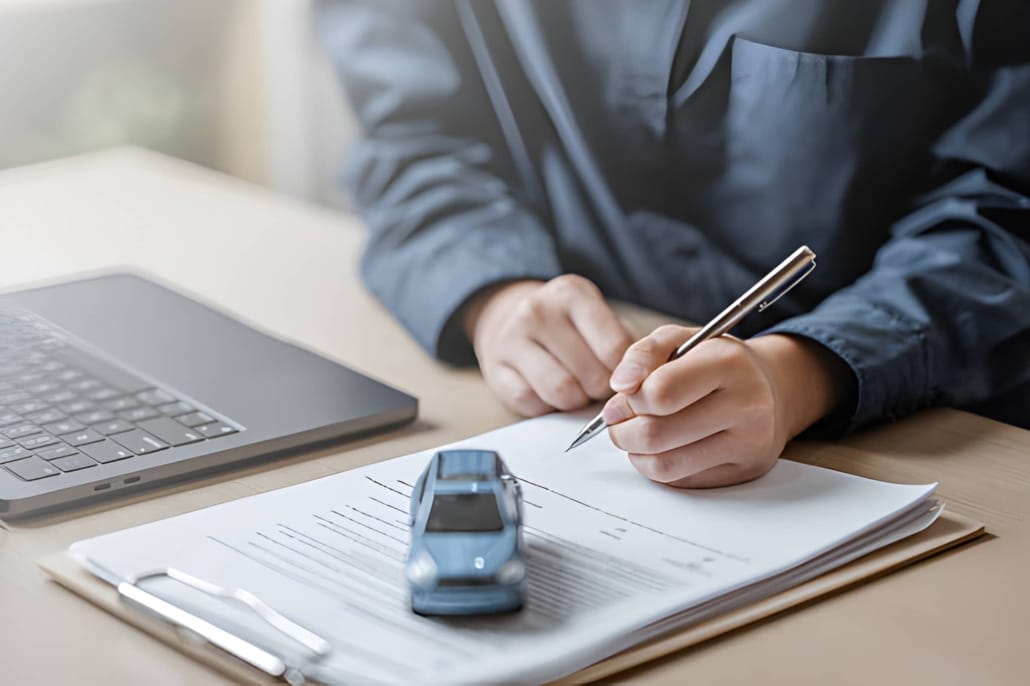
· Failing to review the contract: Vague language in a contract is a trap. If you do not read every line before signing, you lose your ability to push back when problems arise.
· Overlooking insurance information: Do not assume you are covered. Every company’s policy is different. Skip the fine print, and you could be the one paying for damage out of your pocket.
· Booking last-minute under urgency: Waiting until the last moment means you stop comparing and start hoping. Scammers love that. They prey on your deadline.
· Relying on phone conversations: A verbal promise is not a real promise. If it is not written down, it never happened. Do not let kind words replace a signed agreement.
What to Expect During Vehicle Pickup (Safety & Transparency Focus)
Instead of a specific time, you get an estimated pickup timeframe. The driver will perform an initial joint inspection of the vehicle and record the vehicle’s current condition on the Bill of Lading (BOL), which is your contract and statement of vehicle condition. If you have used reputable carriers like Preowned Auto Logistics, your quote is set in stone. There are no surprise fees tacked on during pickup. PAL will assign a carrier, verify insurance coverage, and remain available to support you. The entire process is documented, as each party is fully aware of the responsibilities once the car drives off.
How to Choose a Safe and Reliable Auto Transport Company
Choosing a good mover is not complicated. Just stick with these non‑negotiables.
1. Licensed. They need a USDOT number and an MC number. No exceptions.
2. Firm price. The quote is what you pay. No hidden fees or surprises.
3. Real reviews. Check Google, Transport Reviews, or the BBB. Ignore their site.
4. Real communication. They update you from booking until delivery is complete.
5. Clear process. A good company tells you exactly what happens at pickup, on the road, and at delivery.
Why Preowned Auto Logistics stands out
- Verified carrier network. Every driver and truck is screened.
- Fraud prevention systems. Designed to keep the common scams out.
- Reliable customer communication. You always know where your vehicle is.
Pro Tips to Ensure a Fraud-Free Car Shipping Experience
· Good planning starts early. Book at least one or two weeks ahead. When you rush, you skip important steps.
· Get at least two quotes. Price is not everything. Look at their credibility and licensing as well.
· Pay with a verifiable method. Avoid wire transfers and cash. Get every agreement in writing.
· Ask plenty of questions. Honest companies do not mind. They actually appreciate it.
Frequently Asked Questions (FAQs)
How can I verify if a car shipping company is legitimate?
Check their USDOT and MC numbers at safer.fmcsa.dot.gov. Read reviews on Google, Transport Reviews, and the BBB. And confirm they have a real address and a working phone number.
Is it safe to pay upfront for car shipping?
Pay only through a trusted provider. No cash. No crypto.
What should I do if a company asks for extra money during delivery?
Check your contract. If a charge is not in writing, refuse to pay and call your broker. Write down the driver’s name, truck number, and the requested amount. Verify the terms before you pay. Document everything.
Can I track my vehicle during shipping?
Most car shipping companies can give you GPS tracking or dispatch updates. Ask before you book. Make sure they actually offer it.
What documents should I receive during shipping?
Three documents you need: the Bill of Lading, an insurance certificate, and a written agreement with the total cost and delivery timeframe.
Are all car shipping companies insured?
Every legal carrier has insurance. That is the law. But coverage amounts and exclusions differ. Ask for the certificate. Then read what it actually says.
What is the safest way to ship a car long-distance?
Choose a company that uses a vetted carrier network, provides a written condition report, and shows you a clear price breakdown.
How far in advance should I book to avoid risks?
Plan ahead and book early. Last‑minute means less time to check credentials. That is a risk you do not want to take.
Conclusion: Stay Informed, Stay Protected
Scammers count on you rushing. Beat them by slowing down. Verify their license. Save your paperwork. Ask questions. If they hesitate to answer, you have your answer.
Ship smart. Ship informed. Ship safely.
Partner with a reliable provider such as Preowned Auto Logistics. Receive a clear quote and book your car shipment securely; your car will thank you.