
Shipping a Non-Running Vehicle: Requirements, Costs & Equipment
Shipping a Non-Running Vehicle: Requirements, Costs & Equipment
Shipping a non-running vehicle is different from standard car transport. These vehicles include inoperable, broken-down, salvage, or project cars. Shipping one requires more planning and care.
Many people ask, “Can I ship a car that won’t start?” Yes, you can. But it’s not as simple as shipping a running car. Extra equipment is needed to load and unload safely. This also means higher costs. The process takes more coordination with the carrier.
For non-running cars, PAL is the expert you need! Our team is equipped with the proper equipment and expertise to haul your car with ease. We’ll help you understand what’s happening at every step in the process and make it as hassle-free as possible.
What Makes A Car Non-Running?
Your vehicle may not start, steer, or brake properly. Common causes include:
- Engine failure preventing ignition
- Accident damage making the car unsafe to move
- Ongoing restoration of a classic or project car
- Recent auction or salvage yard purchase requiring repairs
- A dead or drained battery unable to power the starter
- Corroded or loose electrical connections disrupting the starting system
- Seized engine components from lack of lubrication or overheating
Requirements for Shipping a Non-Running Vehicle
The most important things you can do for shipping a dead (non-running) vehicle:
1. Basic transportation requirements:
A non-running vehicle must have some form of movement. If a vehicle cannot move on its own but can be rolled out of a garage (with help), it can be shipped. A vehicle that cannot be steered (even slightly) may still be shippable. Vehicles without braking systems can also be shipped; however, special precautions must be taken.
2. Pickup/delivery location requirements:
To ship a non-running vehicle, you must provide two locations (pickup and delivery) that are accessible by an oversized truck and by the transporter’s loading/unloading equipment. It is ideal to choose flat, open spaces for both pickup and delivery of your vehicle.
3. Accurate condition disclosure:
Disclose as many details as possible about the state of your car. Identify what pieces are missing from your vehicle (i.e., doors, bumpers, engine), along with what kind of mechanical or structural damage exists on your vehicle. The transporter needs to know this so they will have all the right tools available when loading/unloading your vehicle for transport. If you do not disclose the full amount of damage, there could be a canceled pickup, increased costs due to the additional work required by the transporter, and scheduling issues.
Equipment Used to Transport Non-Running Vehicles
Professionals employ four main strategies for transporting inoperable vehicles.
• Winches can be employed on vehicles that have functional steering and turning ability, allowing the winch to pull the vehicle into place.
• Liftgates can be employed when there is no turning capability (i.e., when wheels are seized) because they lift the entire vehicle. The cost of shipping using a lift gate is usually higher than that of an open truck.
• Forklifts or cranes may need to be used on units that do not have wheels, such as salvage units. They lift the vehicle straight onto the deck of the transport unit and are commonly found at auctions.
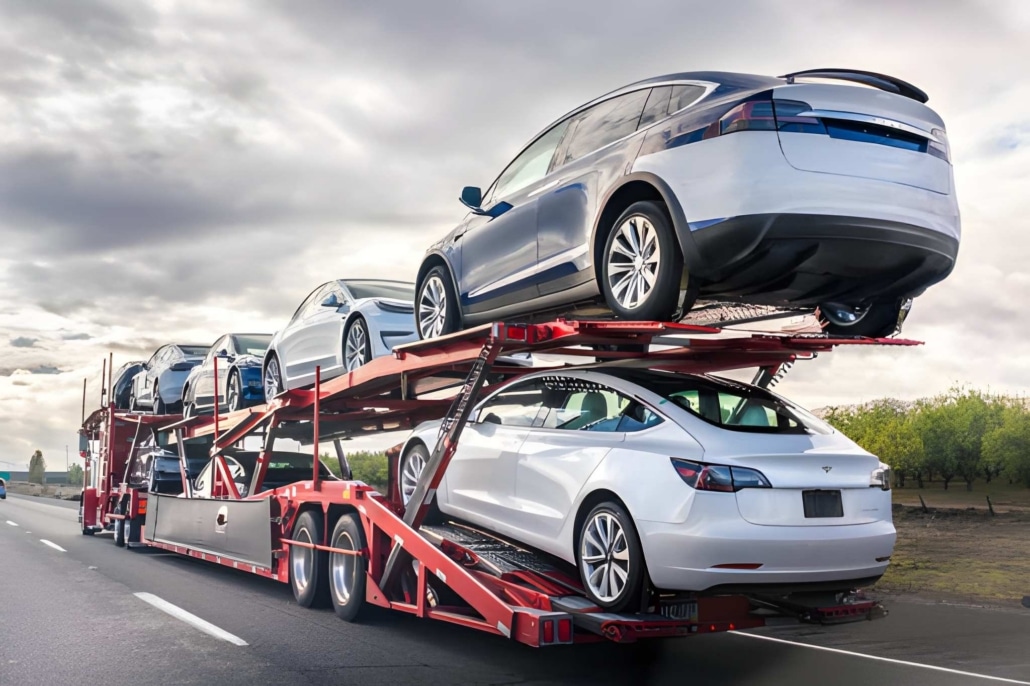
Lastly, professionals can choose whether to ship their inoperable vehicles in an enclosed or open trailer. An open carrier is ideal for standard vehicles, while an enclosed carrier is ideal for luxurious ones.
Cost of Shipping a Non-Running Vehicle
Shipping an inoperable car is not a typical pickup/drop-off service. Due to additional labor, equipment, and time required, many carriers cannot ship an inoperable car. The reduced number of available carrier options, due to fewer shipping companies being able to move this type of unit, results in higher pricing. In addition to these factors, other issues may increase costs (compared to standard shipping).
Typical price factors
Distance matters greatly. Cross-country transport will be much more expensive than local deliveries. Vehicle size/weight is also a factor. Larger/heavier vehicles are harder to deliver and therefore cost more. The condition of the vehicle you want shipped is another major factor. For example, it would be less expensive to transport a rolling vehicle than one that does not. Pickup/delivery locations can also raise costs if they are not easily accessible. Lastly, whether you choose an open or an enclosed trailer will directly affect your overall price.
Estimated cost add-ons
When shipping a non-running car, expect some specific surcharges. A winch fee is common and typically ranges from $150 to $250. If you need a liftgate or extra handling, those services can easily add $500 or more to your bill. Altogether, you should plan for additional costs ranging from $150 to $500+, in addition to the standard shipping rate, depending on your vehicle’s needs.
Step-by-Step Checklist: Preparing a Non-Running Vehicle for Shipping
Using this list will help you stay away from any extra charges and provide a valid (safe) way to move your vehicle.
Before booking
Be clear about what type of tow you have (e.g., “it’s rolling and steering”) vs. (“the car is seized”). This will determine which trailer the hauler will send (standard winch-equipped or flatbed). Make certain you give an accurate description of all dimensions, including aftermarket modifications such as a lift kit or lowered bumpers, to confirm the truck you get has the appropriate height and weight capabilities for safe towing.
Before pickup
The point is to minimize liability risk and make the vehicle actually drivable. Clear all your belongings out; transit insurance won’t cover them for theft or damage to internal components. Check tire pressures and unlock the steering to avoid frame drag when winching onto the transporter, and try to reattach the trim or cover any cracks to avoid wind damage.
At pickup
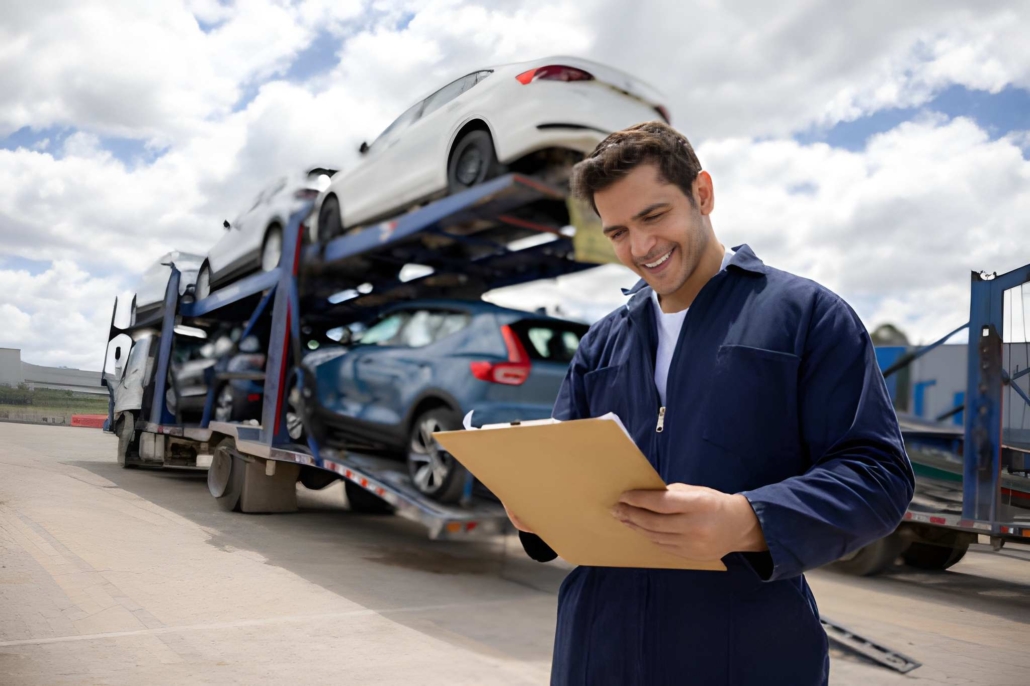
Now, you are setting the legal “baseline” for your vehicle. Go over the car with the driver (either you or a designated representative) and verify that the Bill of Lading (BOL) accurately records all existing dings or scratches. Also, take time-stamped, high-resolution photos of the car from all angles. This provides the bulk of your documentation for a future insurance claim.
After delivery
Once off the vehicle, conduct a final 360-degree inspection and compare it against the initial BOL. Should any additional damage be noted, you must put this on the delivery receipt before the driver departs the lot. This will ensure that any claims filed fall within the limited reporting period for transport insurance, which is almost always 24-48 hours.
What to Expect During Pickup
Loading an inoperable vehicle is a technical, time-intensive process. Here is how the pickup typically unfolds:
- Specialized loading: The tow truck or truck pulls the vehicle onto the trailer using a winch or hoist. This step is difficult and requires proper rigging, so expect this process to take much longer than drive-on loading.
- Space requirements: The truck will need a large, flat area to hook the trailer to your vehicle. If the car is stuck in the driveway and the garage is too low, you must move it to the street or a parking lot.
- Operational communication: Communicate directly with the driver or dispatcher. The driver will provide an estimated time of arrival and verify that their winching equipment will work with your vehicle.
- Risk of rescheduling: The driver may reschedule if they experience restricted access or mechanical problems. Make sure your vehicle is accessible and fits perfectly with the quoted price to avoid paying for a “dry run.”
- Prep-driven success: The pickup time depends on your readiness. When your tires are inflated to the correct pressure and the steering wheel is unlocked, the driver can load your car in one go without unnecessary delays or surcharges for additional work.
Common Mistakes to Avoid
Avoid these pitfalls to prevent delays, damage, or sudden price hikes:
- Misrepresenting vehicle condition: Lying about a car being mobile and steerable is an express ticket to cancellation. Tell them directly whether the wheels turn, as that will determine what the carrier actually needs to haul your vehicle with.
- Assuming carrier capability: Not all haulers can move a non-runner. Never assume a driver can winch the car; clarify their capability in the booking.
- Chasing the lowest quote: The lowest bid may not include the appropriate equipment or insurance for inoperable vehicles. Be sure the quote specifies winch fees and appropriate equipment.
- Neglecting location logistics: A full-size trailer will be unable to make the turns required in confined, residential cul-de-sacs or any narrow alleyways. A wide, open delivery spot must be selected, or the driver may refuse the delivery due to space or safety concerns.
- Ignoring loose parts: High-speed wind can pull off unsecured car bumpers or trailer trim. Fasten them up with automotive tape, or tie the part down so nothing is dangling on the road and could damage your or other cars.
- Overlooking hidden fees: “Non-runner” surcharges can appear unexpectedly at delivery if not documented. Confirm all labor and equipment fees upfront in writing to keep your final total predictable.
Tips to Reduce Costs and Avoid Delays
Smart planning prevents logistical bottlenecks and keeps your budget intact.
- Be precise from the start: Ensure all information is accurate to avoid “dry run” charges (fees incurred when the driver is present but unable to load the vehicle). Inform them of a jammed wheel or incorrect dimensions so the correct equipment is dispatched from the start.
- Opt for open transport: Opt for open carriers unless the car is an expensive collectible with the interior on display. This is also generally the cheapest way to ship, usually saving 30% – 50% over enclosed transport.
- Prioritize accessibility: Get to the driver at a major parking lot or shopping center. Not having to navigate narrow residential streets saves the driver time and gas, potentially reducing the “door-to-door” cost.
- Maintain date flexibility: Fixed times are costly. If you can allow a 3- to 5-day window, dispatchers may be able to fit your car onto an existing route with other cars, reducing the cost.
- Book 2–3 weeks early: Bookings secure a specialized carrier at normal rates and help avoid “rush” surcharges on same-day reservations.
- Work with specialists: Ensure seamless coordination by outsourcing to an experienced company like PAL. Carriers are individually vetted by experts for their winchable reliability, reducing the risk of equipment malfunction or damage during loading.

Why Experience Matters
Non-runners pose a complex transport issue that requires a higher level of expertise than simple towing. Professionals secure the frame and suspension of your car and/or trailer with proper rigging and mechanics. There’s more to it:
- Advanced rigging: Pro drivers use snatch blocks & tensioning to winch cars smoothly and securely without damaging the structure.
- Specialized inventory: Heavy-duty winches and tools will prepare your car for the trip and load it correctly, regardless of its condition.
- Logistical precision: Experienced logistics planners account for the unique timing and clearance challenges involved in loading an immobile car.
- Vetted reliability: PAL works with a pre-qualified carrier network, providing clients with reasonable rates and consistent service for more complex transport.
Frequently Asked Questions
Can I ship a car that doesn’t start at all?
Sure, but tell your carrier about that beforehand so they can send a truck with a winch or a loading ramp.
How much extra does it cost to ship a non-running vehicle?
Prepare for a charge of $150 to $500. Price will vary based on the vehicle’s weight and the specialized equipment required to load.
Do all auto transport companies handle non-running cars?
No. A drive-on service is not always available. It is necessary to work with a company with an experienced network of winch operators.
What if my car doesn’t roll or steer?
Requires a forklift or crane for loading. Service is expensive and not widely available.
Can I ship a salvage or auction vehicle?
Yes, that is acceptable practice, as long as you are fully transparent about the condition and ensure a large transporter vehicle can access the collection point.
Is enclosed transport necessary for non-running cars?
Not necessary! Open transport is fine to keep the costs down unless it is something expensive.
Will delivery take longer for inoperable vehicles?
Delivery times are longer due to a shortage of dedicated carriers to handle the additional labor for loading and unloading.
Do I need to be present during pickup?
You must be present or designate someone responsible to sign the Bill of Lading and note the vehicle’s condition.
Conclusion: Plan for a Smooth Non-Running Vehicle Shipment
Do you need help transporting a non-running car? Preowned Auto Logistics has a simple process for you. We use state-of-the-art tracking and a nationwide network of trucks. Our terminals are secure, and customers can track their cars in real time. To get a no-obligation estimate today, connect with PALMoves here and let us handle everything.