

10 Factors That Affect Your Car Shipping Quote
Why does a title like this matter? Because “car shipping quote” is precisely what people type into Google right before they book, and most of them are confused by the number they got back. This piece exists to answer that confusion directly: what actually builds the price, why it shifts, and how to read a quote like someone who’s done the job before.
Quick answer: A car shipping quote comes from ten variables: distance, vehicle size and type, transport method (open vs. enclosed), pickup/delivery locations, vehicle condition, seasonal demand, scheduling flexibility, service requirements, fuel and market conditions, and carrier availability. There’s no fixed rate card. Carriers price using live conditions at the moment you ask.
Every quote is based on your vehicle, your route, and the market conditions that week.
That’s why two people shipping near-identical cars can land on entirely different numbers. Call three companies and get three quotes; none of them match. Frustrating, but not random. It’s math, logistics, and timing working together.
You’ve probably asked some version of these questions: Why did my quotes differ? Why does the price keep changing? What do I need to give a company to get an accurate number? Every shipper runs into these.
Here’s the part worth remembering: Your quote reflects your shipment’s details plus current market and carrier conditions at that moment. Change the details, and the number moves. Change the week; it can move again.
Here’s the full breakdown of what drives your car shipping rate, so you walk into that first call already knowing what you’re looking at.
#1. Shipping Distance and Route
Mileage is the backbone of any transport quote. The farther your vehicle travels, the more fuel, time, and driver hours go into the job.
Here’s the twist: cost per mile drops as total distance increases. A 2,500-mile haul won’t cost five times what a 500-mile trip does, because the math skews in your favor once a carrier is committed to the long stretch.
Route popularity matters too. A busy corridor like Los Angeles to New York usually draws more competing carriers, which keeps pricing tighter. A less-traveled route means thinner supply, and that pushes prices up. Accessibility plays a role as well; a straightforward highway run is priced differently than one winding through mountains or tight city streets.
#2. Vehicle Size, Weight, and Type
Trailers only have so much room. A sedan takes up meaningfully less space than a full-size pickup, and that shows up in your quote.
- Sedans: compact, cheapest to move
- SUVs: need more clearance
- Pickup trucks: add length and weight
- Vans: eat trailer space fast
- Oversized or modified vehicles often need special accommodation
Weight matters because carriers have strict legal cargo limits. A heavier vehicle eats into that limit, which can mean fewer vehicles fit per load, and the carrier spreads costs across less revenue.
Modifications complicate things further. Lift kits, oversized tires, roof racks, and even aftermarket bumpers change a vehicle’s real dimensions. Give the company the accurate year, make, model, and modifications upfront. Guessing leads to a revised quote later, and nobody likes surprises at pickup.
#3. Open vs. Enclosed Auto Transport
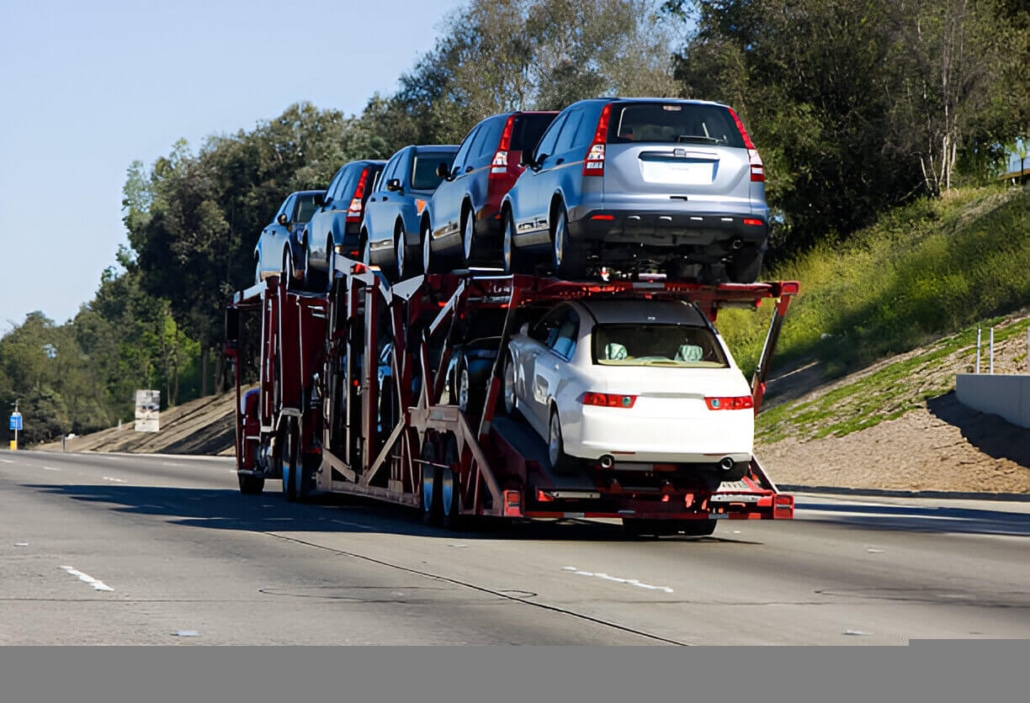
Open transport means your car rides exposed on a multi-level trailer, the same kind hauling new cars to dealerships. It’s the industry standard and cheaper because carriers move more vehicles per trip.
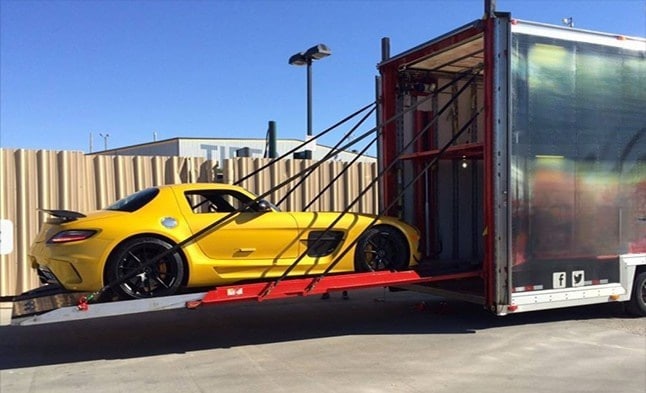
Enclosed transport shields your vehicle from weather and road debris inside a covered trailer. Naturally, it costs more; fewer vehicles fit per load, and the equipment is pricier.
For an everyday commuter car, open transport works fine. Enclosed earns its premium for classic cars, luxury models, exotics, and collectibles, anything where a scratch would genuinely hurt. The right call depends on what you’re shipping and how much protection actually matters.
#4. Pickup and Delivery Locations
Where your car starts and ends its trip shapes the price as much as distance does.
Major metro areas see more carrier traffic, generally meaning better pricing and more flexible scheduling. Rural or hard-to-reach addresses are different; a carrier that can’t maneuver a large trailer down a narrow road might need a meeting point instead, and that juggling affects your quote.
This scenario is where terminal-to-terminal versus door-to-door matters. Door-to-door is convenient but not always possible depending on geography. Terminal-to-terminal can save money but adds a step. Give complete, accurate addresses or ZIP codes. Vague locations lead to vague pricing.
#5. Vehicle Condition
There’s a real difference between shipping a car that runs and one that doesn’t.
Non-running vehicles need special equipment, typically a winch, since they can’t drive onto the trailer themselves. That extra equipment and time cost money.
Flag these honestly when requesting a quote: disabled vehicles, mechanical issues affecting mobility, cars that can’t steer, and damaged wheels or tires. Undisclosed problems don’t just risk a price adjustment; they can derail the entire pickup. Be upfront about the condition from the start.
#6. Seasonal Demand and Timing
Auto transport runs on old-fashioned supply and demand. Demand spikes, trucks stay put, and prices climb. Simple as that.
Certain seasons practically guarantee the squeeze. Snowbirds chase warm weather south every winter, then reverse course come spring. Summer triggers a wave of household moves. College towns see a flood of student vehicles twice a year: move-in and move-out. Holidays add their own bump as families relocate around the calendar.
Booking ahead helps, no question about it. It buys you breathing room to compare options instead of scrambling at the last minute. But don’t fool yourself into thinking early birds always win on price. Markets shift. Fuel costs move. Carrier capacity tightens or loosens for reasons that have nothing to do with your shipment specifically. Plan ahead by all means, just don’t treat it as a guaranteed discount.
#7. Pickup and Delivery Flexibility
Rigid deadlines cost more. That’s just freight logistics. Give carriers a flexible pickup window, say five days instead of one hard date, and you open up way more routing options for them. That flexibility usually pays off in better pricing, since a driver can slot your car in wherever it fits best on their run.
Lock in a strict, non-negotiable date, though, and you shrink that pool fast. Fewer carriers can make it work on your exact day, and that scarcity means you’ll likely pay more to guarantee it happens when you need it.
If timing truly is critical, expedited shipping exists as a separate premium service built for exactly that. It costs more, but it solves a problem that flexibility can’t.
#8. Transport Method and Service Requirements
Beyond open versus enclosed, specialized requirements shift your number too: expedited transportation when time is tight, or specialized handling for unusual vehicles.
Each adds a layer of logistics beyond a standard shipment. None of this means you need the premium tier, though. Match the service to your actual situation. A daily-driver sedan on a relaxed timeline doesn’t need expedited enclosed transport.
#9. Fuel Prices, Carrier Costs, and Market Conditions
Transport companies operate inside a shifting cost environment, and fuel sits near the top. When diesel prices climb, carriers pass some of that along. It’s operational reality, not a markup for its own sake.
Broader supply-and-demand ripples through pricing too. More vehicles needing shipping than trucks available means rates tick up; flip that ratio, and rates soften. This is why the same route can price differently month to month. Treat any quote as a snapshot, accurate for that moment. When comparing quotes, look past the number and check what’s actually included.
10. Current Carrier Availability and Route Demand
Available capacity, or how many trucks are running your specific route right now, directly shapes what you pay.
Heavily traveled routes see more carrier competition, keeping pricing more stable. Less-traveled routes work the opposite way. Availability interacts with everything else here: pickup location, delivery location, desired dates, vehicle type, transport method. Change one, and the pool shifts.
This is the core truth worth internalizing: auto transport is a dynamic logistics market, closer to airline pricing than a fixed-rate vending machine. Quotes can change if availability shifts between your call and your actual pickup date.
Broker vs. Carrier: Why It Changes Your Quote
Most people booking car shipping never actually talk to the company hauling their vehicle. They talk to a broker, a middleman who takes your shipment details and shops them to a network of carriers until one accepts the job at an agreed rate. Brokers don’t own trucks; they own relationships and dispatch systems.
Carriers, on the other hand, own the trucks and drive the routes themselves. Booking directly with a carrier sometimes means tighter pricing since there’s no broker margin built in, but it also limits your options to whatever that one company happens to be running that week.
This distinction matters for your quote because a broker’s number is usually an estimate based on what carriers have recently accepted for similar routes, not a locked-in price. That estimate can change if no carrier accepts the job at that rate within your timeframe. Ask directly whether you’re quoted by a broker or a carrier and whether the number is guaranteed or subject to change once a truck actually gets assigned to your shipment.
Why Do Car Shipping Quotes Differ Between Companies?
Call five companies, get five different numbers for what feels like an identical job. That’s normal, and the differences are real: carrier relationships, service types, pricing assumptions, pickup flexibility, and how thoroughly each company collected your vehicle information. A quote built on incomplete details isn’t comparable to one built on a full picture.
An unusually low quote deserves a second look, not immediate excitement. Occasionally it’s a placeholder that creeps upward once pickup approaches. Before committing, ask what’s included. Insurance, flexibility, and communication: all of it matters more than the number on the page.
How to Get the Most Accurate Car Shipping Quote
Give the shipping company everything they need upfront. Have this ready:
- Pickup ZIP code or address
- Delivery ZIP code or address
- Vehicle year, make, and model
- Current vehicle condition
- Preferred transport method
- Desired pickup timeframe
- Any special requirements or modifications
Accurate information upfront means fewer surprises later. If your car has a lift kit, oversized tires, or a mechanical issue, let us know now, not at pickup. Ask for a breakdown of what’s included before you book.
What to Compare Besides the Price
Price matters, but treating it as the only variable is how people end up with disappointing experiences. Before you book, weigh:
· Company reputation
· Carrier credentials
· Insurance coverage
· Service type
· Communication
· Realistic pickup/delivery expectations
· Contract terms and cancellation policies
Most carriers carry $100,000 to $250,000 in cargo insurance per load as a baseline. Don’t take someone’s word for it, ask for an actual certificate of insurance before booking.
Check that the policy matches your car’s real value. Classic or high-value vehicles often need supplemental or gap insurance to close the difference that standard coverage misses.
Before signing, verify the carrier’s FMCSA operating authority number and DOT registration. Both are public record and confirm the company is legally authorized for interstate hauls.
Choosing an unfamiliar provider solely based on the lowest price is risky; it can lead to missed pickups or rising bills. Reliable service and proper coverage are worth paying for.
How Preowned Auto Logistics Helps Simplify the Quote Process
Getting an accurate quote shouldn’t feel like guesswork. PAL starts by gathering your shipment and vehicle details, pickup and delivery locations, condition, timing, and any special requirements. Those details shape which transport options actually fit your situation, rather than pushing a one-size-fits-all service.
Communication stays clear from that first conversation through delivery. If you’re trying to understand your options before committing to anything, PAL is a good place to start that conversation and get a quote built around your actual shipment.
Frequently Asked Questions About Car Shipping Quotes
What factors affect car shipping costs the most?
Distance, vehicle size, route, transport type, timing, and how the market’s doing that week.
Why did my car shipping quote change?
Something shifted. It could be the shipment details, could be carrier availability, could just be the market doing its thing. Timing and route conditions play into it too; honestly, it’s rarely just one factor.
Is the cheapest car shipping quote always the best?
Not really. Look past the price tag and consider service quality, insurance, and contract terms too.
How can I get an accurate car shipping quote?
Give the full picture upfront: vehicle details, route, timing, condition, all of it. Skip a piece now, and you’ll likely hit a surprise later when the quote changes.
Does vehicle size affect car shipping rates?
Yes. Bigger vehicles take more trailer space and weigh more, and both push the price up.
Is enclosed car shipping more expensive than open transport?
Usually, yes. You’re paying for extra protection and specialized equipment.
Does location affect auto transport costs?
It does. How accessible you are, local demand, distance, and whether carriers even run your area all factor in.
How far in advance should I book car shipping?
A week or two ahead works for most standard routes. Popular seasonal corridors get tight fast, so book earlier if you’re shipping during peak season.
What’s a typical transit time for car shipping?
Short hops under 500 miles usually land in 1 to 3 days. Cross-country runs take longer, think 7 to 10 days, depending on the carrier’s schedule and the weather they’re driving through.
Key Takeaways: Understanding Your Car Shipping Quote
Ten factors shape every auto transport cost: distance and route, vehicle size and type, transport method, pickup and delivery locations, vehicle condition, seasonal timing, scheduling flexibility, service requirements, market conditions, and carrier availability.
None of it is random. It’s shipment-specific pricing built on real logistics. Give accurate information upfront, compare service details rather than chasing the lowest number, and prioritize preparation and reliability.
Got your car? Reach out to Preowned Auto Logistics for a quote based on your vehicle and your timeline. You can also visit our site to get an instant quote using a simple and easy-to-use car shipping calculator.