
How Vehicle Type Impacts Your Auto Transport Costs
Did you know the cost to ship a small car can be less than half the price of transporting a classic or luxury vehicle? Auto transport quotes fluctuate significantly based on vehicle type, so it pays to understand the differences.
For instance, shipping larger vehicles, such as trucks or SUVs, typically costs more than the average due to their dimensions and space requirements. Low-clearance sports cars or lifted trucks may require extra fees for special modifications and handling.
Preowned Auto Logistics gives you a specialized solution for every vehicle type you have. Our team will work closely with you to find excellent options for all your auto transport needs. Understanding all the factors means you can make informed decisions and avoid being surprised later on. It’s this kind of planning that makes auto transport easy and predictable.
Why Vehicle Type Matters in Auto Shipping Costs
Larger vehicles, such as trucks and SUVs, occupy more space on a carrier, which affects the available area for other vehicles and the shipment’s weight capacity. As a result, shipping larger vehicles comes at a higher cost compared to smaller sedans or compact cars. Furthermore, the vehicle’s dimensions and weight determine the required type of carrier for shipping. Let’s learn about these factors in detail:
Size and weight variances
Heavier and larger vehicles need more space on carriers and may require specialized trailers. For example, a large SUV like the Chevrolet Suburban or a full-sized truck needs more room than a compact car like the Honda Civic, meaning fewer can fit on the same trailer. Overweight vehicles, such as custom RVs, incur additional charges due to weight limits and specialized equipment, resulting in increased overall costs.
Modifications and clearance
Sports cars, like the Porsche 911, with low clearance, can scrape during loading or travel. For this reason, most carriers will only transport these vehicles if they are enclosed or if they use special ramps, the costs of which can add hundreds of dollars. Trucks like the Ford F-250, with lifts that provide higher clearance, are more challenging to secure. Since they require additional securing and taller trailers, the prices can rise. Further modifications, such as roof racks or custom bumpers, may necessitate specialized loading and unloading techniques, potentially resulting in increased costs.
Vehicle operability
Vehicles that operate, like a running Ford Escape, are simple to load and unload, which keeps the price down. Non-operating cars, such as a damaged Tesla Model S that is unable to start, may require specialized equipment like winches and flatbed transports, which can increase labor costs. A salvage vehicle, such as one salvaged after an accident, would require additional care, which could lead to a price that is double.
Compact cars
Compact cars are among the least expensive vehicles to ship. They’re lightweight and don’t occupy much space for transport. Due to their smaller size, they often fit into standard carrier slots. That lowers the overall shipping price and makes this vehicle type the most cost-effective car shipping option.
Sedans and mid-size cars
For sedans and mid-size cars, shipping tends to be the same standard price. They’re among the most commonly shipped vehicles, so most carriers have designated slots for sedans and mid-size cars. These vehicle types are slightly larger than compact cars, but they remain within standard dimensions. Shipping a sedan or mid-size car is the average price most people would expect to pay for their typical vehicles.
SUVs and crossovers
Shipping prices for SUVs and crossovers can be higher than those for other vehicle types. Because these vehicles are larger, they entail more weight. This means they require more space on a transport truck. The bigger size and extra weight mean shipping companies will require more resources for transport, which in turn increases the rate. Expect the shipping price for SUVs and crossovers to be higher than it would be for standard-size cars.
Pickup trucks and vans
Pickup trucks and vans are often used for shipping due to their oversized design. Due to their larger size and weight, special handling is necessary. Transport trucks need more space to transport these vehicles. Due to the size of the cars being transported, the weight of the vehicles can also impact the fuel cost for transport trucks. Typically, pickup trucks and vans are the most expensive vehicles to transport. Extra equipment may also be required to unload the car.
Motorcycles
Motorcycles are lighter and smaller but will require special handling. Many transport trucks prefer to ship motorcycles in an enclosed transport, which can increase the price. Some bikes also require specific equipment when picked up or dropped off, primarily classic and exotic models. Shipping motorcycles is generally less expensive than shipping larger vehicles, but the need for specialized shipping equipment can still increase the price.
Luxury, exotic, and classic vehicles
Shipping luxury, exotic, and classic cars will cost more than other vehicle types. These vehicle types require special care and consideration during transportation, and therefore, they are often shipped in enclosed trailers. Enclosed transportation protects vehicles from weather, debris, and damage during shipping. All of this special handling and precautions for high-value cars can increase the price. Shipping companies will typically charge more for the extra time and TLC involved in shipping luxury vehicles.
Inoperable or salvage vehicles
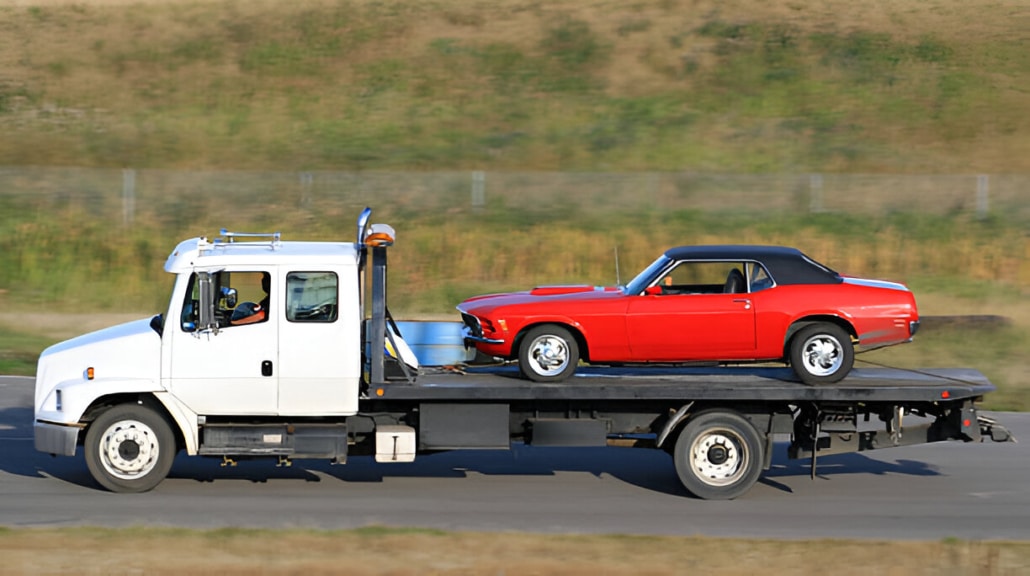
Pricing for transporting inoperable or salvage vehicles will also be higher. Inoperable vehicles cannot be driven onto or off a transport truck. Special equipment or handling will be needed when shipping these vehicle types. Shipping companies may need to bring in cranes, winches, or other equipment to transport these vehicle types. The additional equipment and time can increase the shipping cost. These vehicle types will also require extra care and time during transportation to prevent damage during transit.
Real-World Examples: Vehicle Type and Cost Range
Transporting a vehicle varies in cost depending on its type and location. Consider some examples of how different cars impact the transportation cost.
Example 1: Compact Car in NY to Florida Shipping
Shipping a compact car from Boston to Florida typically costs between $600 and $900. A compact car is the least expensive vehicle to ship because it is smaller and lighter in weight. The distance from Boston to Florida is standard. So, the cost is low. A compact car can be easily transported in a standard carrier. No special handling or equipment is needed. This makes compact car shipping an inexpensive shipping option.
Example 2: Full-size SUV in TX to NY Shipping
The cost for a full-sized SUV shipment from Texas to NYC ranges from $1,000 to $1,400. A full-sized SUV is larger and heavier than a standard vehicle, taking up more space on the carrier. The additional weight means that the shipment costs more than many other vehicles. The distance of the shipment will also factor into the costs since longer distances require more effort and time. However, full-sized SUVs are among the most popular vehicles among consumers, so carriers are accustomed to shipping them successfully.
Example 3: Classic Car in CA to MA shipping (Enclosed transport)
Shipping a classic car from California to Massachusetts in an enclosed carrier costs between $2,000 and $3,500. Classic cars require special handling, so they often ship in enclosed carriers to protect them from the weather.
This additional protection, combined with the distance, significantly increases the price. Enclosed transport provides peace of mind, especially for high-value vehicles, but it also raises the fee due to the extra care and equipment needed.
Example 4: Non-running truck within New England
Shipping a non-running truck within New England costs between $700 and $1,200. Inoperable vehicles require more labor or specialized equipment, such as a winch, to be loaded onto the carrier. Even though the distance is short, the need for extra equipment and handling increases the cost. Trucks are also larger and heavier than regular cars, which contributes to their higher price. Shipping a non-running vehicle requires more time and effort, making it more costly than shipping a standard car.
Other Factors That Interact with Vehicle Type
Several factors influence the cost of shipping a car. These factors often tie into vehicle type, so the final price varies by case. Here is how such elements shape the costs.
Distance and route
The distance between the pickup and drop-off locations hugely affects the general cost of shipping a vehicle. Longer drives require more money because more gas will be consumed, more time will be spent, and more drivers will be needed. However, the type of vehicle will determine how much the price increases as the distance increases. A larger vehicle is more costly to ship, and this is compounded over a long distance.
For example, SUVs and large trucks are more expensive to ship, and these costs increase substantially over long distances. On the other hand, compact cars and sedans can easily be shipped on regular carriers, so they cost less even over long distances. However, larger or irregularly shaped vehicles may start increasing exponentially in price as the travel distance increases. The actual route will also affect the shipping cost, as more difficult carriers or detours may be necessary.
Carrier type
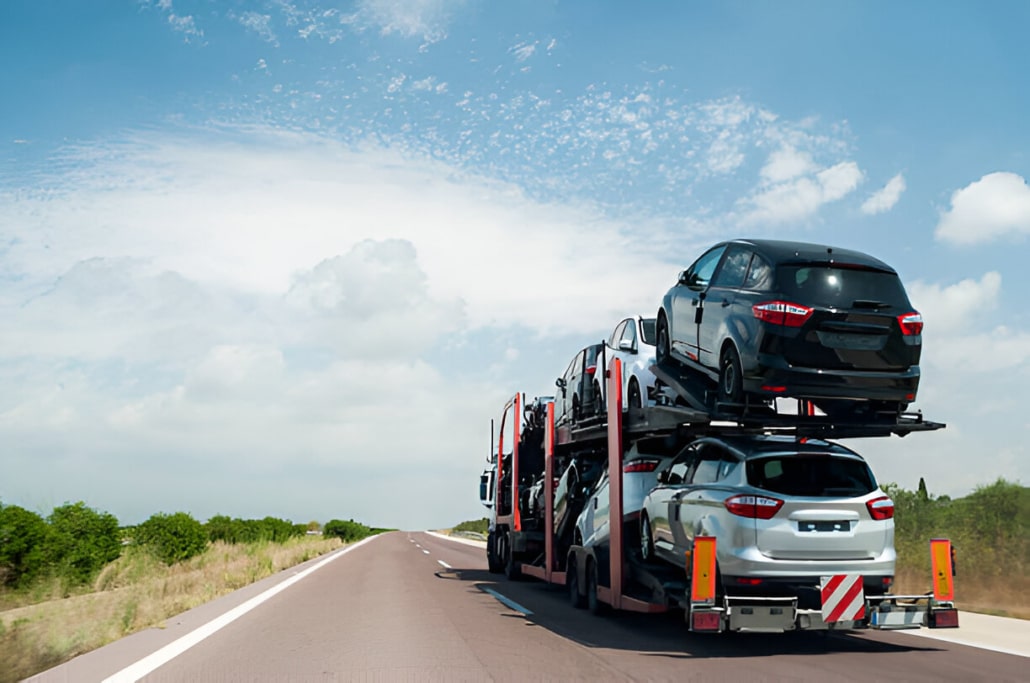
The type of carrier used for shipping is one factor that affects pricing, depending on the type of vehicle being shipped. Open carriers are the most common and economical method for shipping a car. This type of carrier can accommodate almost any vehicle, including sedans, trucks, and SUVs. An open carrier is typically the most cost-effective option for shipping, as it ships vehicles on open trailers. However, the car is exposed to the elements, road debris, and other hazards while in transit. For most everyday vehicles, open carriers are an economical choice.
Enclosed carriers overview
• Provides additional vehicle protection.
• More expensive due to the closed trailer.
• Often used for luxury, exotic, or classic cars.
• The size of the vehicle depends on the carrier type.
Seasonal changes
The shipping industry is generally affected by the season, and costs vary depending on the time of year. For example, prices may be higher in the summer or at the end of the year, as this is when more people relocate and travel. Impulsive purchases may increase shipping demand, leading to higher costs. Prices tend to be inflated during these peak periods because the demand for shipping increases. SUVs and trucks may be more likely to rise in price during these periods due to their larger size and higher weight, which requires more effort, space, and fuel to transport.
• Off-peak seasons result in lower prices due to fewer vehicles being shipped.
• Companies face lower demand during slower seasons, leading to reduced prices.
• Carriers may have limited availability during off-peak seasons, due to a fall in demand.
• Lower rates may balance with carrier availability in off-peak times.
• Standard vehicles experience price fluctuations based on the season.
Tips to Save Money Regardless of Vehicle Type
Vehicle transportation can come with a hefty price tag. The good news is that it is possible to save some money on shipping without compromising on safety and quality. Below are several tips to help you save money on vehicle shipping, regardless of the vehicle type.

Shop around for multiple quotes from a trusted provider
The best way to score the best price is to start shopping. You might be surprised by the price differences that even the same service can offer! By obtaining quotes from multiple providers, you can help yourself compare prices and services.
Reputable shipping companies, such as Preowned Auto Logistics, do offer transparent pricing and reliable service, but it’s always a good idea to shop around. Make sure you not only compare the price but also the shipping terms, vehicle insurance options, and the delivery time frames, etc. Only then can you make a sound decision. Sometimes, the slightly higher quotes come with marginally better offerings, such as more convenient delivery schedules or coverage that can lead to future savings.
Be flexible on shipping dates or pickup/delivery windows.
If you can be flexible with your pickup dates or delivery windows, you may find more affordable shipping options. For instance, if you are not in a hurry to get the car delivered, a longer delivery window can save you some money. Shipping companies like Preowned Auto Logistics may have openings on trucks at certain times or on specific routes, providing them the opportunity to offer discounts for flexible dates.
If you fit your car into their schedule, you could save yourself time and cash. The same applies to your pickup dates. If you can be flexible to accommodate your carrier’s schedule, you might avoid rush fees or premium rates for a specific, tighter pickup window.
Open transport is the most affordable shipping option
Open transport is typically the most cost-effective shipping option available. If your vehicle can withstand a little exposure, open transport is a great way to maximize your investment. Open carriers can transport more vehicles, allowing them to spread the cost per customer and lower your price.
Open transport is an exposed option for owners of everyday cars, SUVs, and trucks, but if you’re shipping a luxury, exotic, or classic car, enclosed transport is typically recommended. However, if you are shipping a standard vehicle and don’t mind exposure, open transport is a cost-effective option. Ensure that the condition of your car warrants this option. Certain types of vehicles, especially those with intricate designs, vintage parts, or distinctive aesthetics, may require the added protection that enclosed trailers can offer.
Get your vehicle ready for pickup to avoid extra expense
If your car is prepared for pickup on the designated day, it can save you from any extra charges. Have your car running. Inoperable vehicles typically incur additional charges because the equipment and labor required to load and unload them can be costly for the shipping company.
If your vehicle is in good working condition, it’ll be faster and easier for the shipping company to transport it, and by extension, let you save money. Clear your vehicle of all personal items. Vehicles loaded with items that can add weight and make the loading and unloading process tricky for shipping companies should be cleared of any unnecessary items before being placed on a trailer.
Why Choose Preowned Auto Logistics for Any Vehicle Type
When it comes to transporting your vehicle, you want a company that is reliable, affordable, and capable of accommodating any car. Preowned Auto Logistics has a proven track record of success in auto transport and offers a range of services to meet your needs.
Experience with All Kinds of Vehicles
Preowned Auto Logistics has shipped everything from small sedans to oversized trucks and equipment. Regardless of vehicle size, Preowned Auto Logistics understands how to meet the specific requirements for loading, transportation, and unloading. When you choose us, your vehicle is always handled by experts who pay close attention to every detail, ensuring it arrives safely.
Transparent pricing
PAL believes in straightforward, transparent pricing. When you contact us for a quote, you receive a precise estimate without hidden fees. Every vehicle shipment is different, so there is no one-size-fits-all price. However, when you request a quote, it includes all costs associated with the process. You will never receive surprising additional charges down the line. This practice not only creates trust but also makes it easier for you to budget for your shipment.
Discounts for everyone
Preowned Auto Logistics is proud to offer discounts for military members. These discounts demonstrate our appreciation for your service and dedication, enabling you to save money. We also offer special promotions to help offset the costs of your shipment. Furthermore, they maintain a customer loyalty program to reward repeat customers.
Personalized service
PAL understands that each vehicle shipment is unique. Our representatives take the time to understand your specific needs and work to create a customized solution tailored to your requirements. From the initial quote to the final delivery, PAL is with you every step of the way. We answer questions, provide updates, and check in to ensure that your shipment experience meets and exceeds expectations.
Nationwide service
Regardless of your starting point or destination, we have the experience and resources to handle your shipment. PAL works with a vast network of carriers and can transport vehicles to every state in the continental U.S. Whether you require transport to a major city or a rural area, Preowned Auto Logistics gets the job done. Bids and options are available regarding transport from Hawaii to the mainland U.S. and vice versa.
Dedicated vehicle types
PAL has carriers that specialize in specific types of vehicles. This way, your vehicle is in the care of our professionals, who know how to transport it safely and efficiently. If you own a classic car, Preowned Auto Logistics has carriers with extensive experience in this area. We also specialize in motorcycles. Travel trailers and RVs also receive the same specialized service. Trailers and trucks transporting standard vehicles are available at discounted prices when your vehicle does not require exceptional service.
Fully Insured Transport
PAL has everything covered from start to finish, including insurance. Whether you are transporting your vehicle the regular open way or in a special enclosed transport, the carriers of Preowned Auto Logistics provide insurance while your car is being transported. This ensures your vehicle during transport.
Conclusion
Ultimately, the type of vehicle has a significant impact on shipping costs. Compact cars are generally cheaper to transport, whereas larger, heavier vehicles, such as SUVs, trucks, and classic cars, can incur higher costs due to their increased size, weight, and the need for special handling care. Distance, carrier type, and timing also affect the price; however, there are ways to reduce these costs, including comparing quotes, being flexible with dates, and choosing open transport options when applicable.
For the most accurate price and a hassle-free experience, request a free quote from Preowned Auto Logistics, offering transparent and no-hidden-fees pricing tailored to your needs and preferences.