

Door-to-Door Car Shipping Explained: Convenience vs. Cost
Moving a car across the country, or even just a few states, usually feels like a massive headache. You’ve got to weigh the cost of gas, the extra miles on your odometer, hotel stays, and, honestly, the value of your own time. This is why most people see door-to-door shipping as the best way to get the job done without the stress.
In this guide, we’ll walk through how it works, see how it stacks up against other options, and help you decide whether the extra convenience is worth the price tag.
What Exactly Is Door-to-Door Car Shipping?
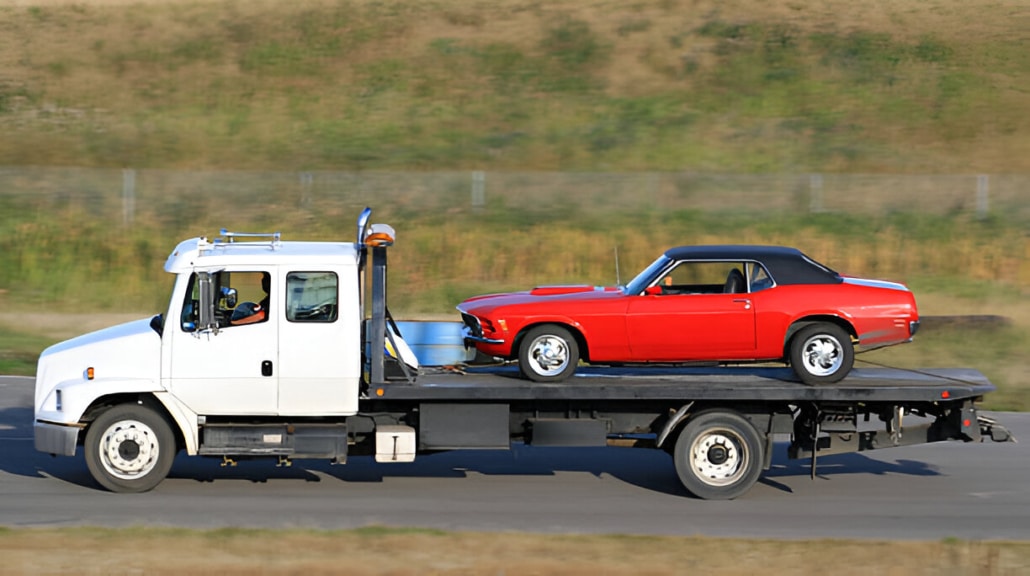
Simply put, door-to-door shipping means the transport truck picks up and drops off your car as close to your actual address as possible.
Instead of you driving to some busy shipping hub, the driver comes to you. However, there’s a bit of common sense involved: these trucks are often 75 feet long. They can’t always squeeze down a tiny residential street or under low-hanging branches. If the car can’t get right to your driveway, you’ll just meet the driver at a nearby spot, like a grocery store parking lot or a wide intersection, to keep things safe and legal.
How Door-to-Door Car Shipping Works (Step-by-Step)
1. Booking and Checking the Map
When you first book, you’ll give them your address. The logistics team reviews the route to identify potential issues, such as tight HOA rules or low bridges. If it looks like a tight squeeze, they’ll chat with you about a backup meeting spot so there aren’t any surprises on moving day.
2. Getting on the Schedule
Once a driver is assigned, you’ll get a “pickup window” (usually a couple of days) rather than a set-in-stone time. Because traffic and other pickups can be unpredictable, the driver will call you a day in advance to nail down the exact hour and confirm where to meet.
3. Loading the Car
This is where the handoff happens. You and the driver will do a “walk-around” of the car to note any existing dings or scratches. Pro tip: Wash your vehicle before they arrive so everything’s easy to see. All of this goes onto the Bill of Lading (BOL), which is your most important document if you ever need to file an insurance claim. Once that’s signed, the driver loads the car up and straps it down.
4. Transit and the Final Drop-off
While your car is on the move, the logistics team keeps an eye on the progress. Short trips take a day or two, while a cross-country haul usually takes about 10 days. Just like with the pickup, the driver will give you a heads-up call before they arrive. You’ll do a final inspection to make sure everything looks the same as on day one, sign the paperwork, and get your keys back.
Door-to-Door vs Terminal-to-Terminal Shipping
When you start looking for quotes, you will likely encounter two main service types: door-to-door and terminal-to-terminal. Choosing between them requires balancing your budget against your need for convenience.
Convenience comparison
Door-to-door shipping is exactly what it sounds like. The carrier picks up the car as close to your home as possible and delivers it to your new doorstep. Terminal shipping, however, requires you to drop your vehicle off at a terminal (storage facility) and pick it up from another terminal at the destination. This adds extra steps to your move, often requiring you to take Ubers or have a friend drive you back and forth from these hubs.
Cost comparison: why terminal-to-terminal is sometimes cheaper
Terminal shipping often carries a lower base price because it allows carriers to pick up and drop off multiple vehicles at a single location. This saves the driver time and fuel. However, many people forget to account for terminal fees. These storage facilities charge daily rates, and if you cannot pick up your car immediately upon arrival, those costs can quickly erase any initial savings.
Time and effort required from the customer
Door-to-door is the hands-off winner. You stay at home, and the service comes to you. With terminal shipping, you are responsible for the “last mile” logistics. If the terminal is 50 miles away, you are looking at several hours of commuting and coordinating just to get your car into the system.
Risk exposure differences: storage and handling
Door-to-door keeps your car on one trailer the whole trip. Terminals involve much more shuffling; cars are often moved or reloaded to make space, increasing the chance of dings. Plus, terminals are just open lots where vehicles sit exposed to bad weather, theft, or vandalism.
Which option suits which type of customer
- Door-to-Door: For the person who’s already spread thin. If you’re a parent, own a high-end car, or work long hours, you’re usually happy to pay a bit more to avoid a massive headache.
- Terminal-to-Terminal: This works if you’re trying to save every penny. It’s a solid pick for students or military folks who live near a big city and don’t mind catching a ride to a warehouse lot.
The Convenience Advantages of Door-to-Door Shipping
Most people go this route because it simply cuts out the stress.
- Minimal customer involvement. Once the order is in, you’re basically done. You won’t have to navigate a big truck through city traffic or mess around with warehouse staff and their schedules.
- No terminal drop-offs or pickups. You get to skip the red tape and the annoying “business hours” of storage yards. The whole deal stays strictly between you and the driver—no middleman involved.
- Ideal for long-distance relocations. After a grueling cross-country move, the last thing you want is a scavenger hunt for your car in some industrial park. With this, your vehicle shows up right where you’re living.
- Better for families, seniors, and busy professionals. When life is already chaotic, door-to-door just works. It slots right into your day, making sure a moving week doesn’t turn into a total disaster.
- Reduced logistics planning. Forget about mapping out routes to a terminal or begging a friend for a lift after you drop the car off. The carrier handles the hard stuff so you don’t have to.
The Cost Side of Door-to-Door Shipping: What Impacts Price
While door-to-door is the most popular option, it is not a one-size-fits-all price. Several variables dictate the final quote.
Distance and route popularity
A move from Los Angeles to Dallas is a “hot route” with plenty of available carriers, which keeps prices competitive. Shipping a car from a small town in Maine to a rural part of Montana will cost more because the driver has to go out of their way to reach you.
Vehicle size, weight, and operability
Larger vehicles like SUVs and trucks take up more space on the trailer and add more weight, increasing fuel consumption. Additionally, if your car does not run, the driver must use a winch to load it, which typically adds an “inoperable fee” to the total.
Pickup/delivery accessibility challenges
If you live on a narrow cul-de-sac or a mountainous dirt road, a massive car haulier cannot reach you. If the driver has to spend extra time navigating rugged terrain or waiting for you at a secondary location, it can affect logistics costs.
Seasonal demand (snowbirds and peak moving months)
The car shipping world definitely has its busy seasons. Every spring, “snowbirds” head back north from the South, which sends prices through the roof on those specific routes. Summer is another hectic time since that’s when most families move. With so many people trying to ship cars at once, drivers are in high demand, and spots on their trailers fill up fast.
Open vs. enclosed transport impact on pricing
Open transport is the industry standard—your car is on a trailer exposed to the air. Enclosed transport uses a sealed trailer to protect vehicles from weather and road debris. Enclosed shipping typically costs 30% to 50% more than open transport, but it is highly recommended for classic or luxury cars.
When Door-to-Door Shipping Is Worth the Cost
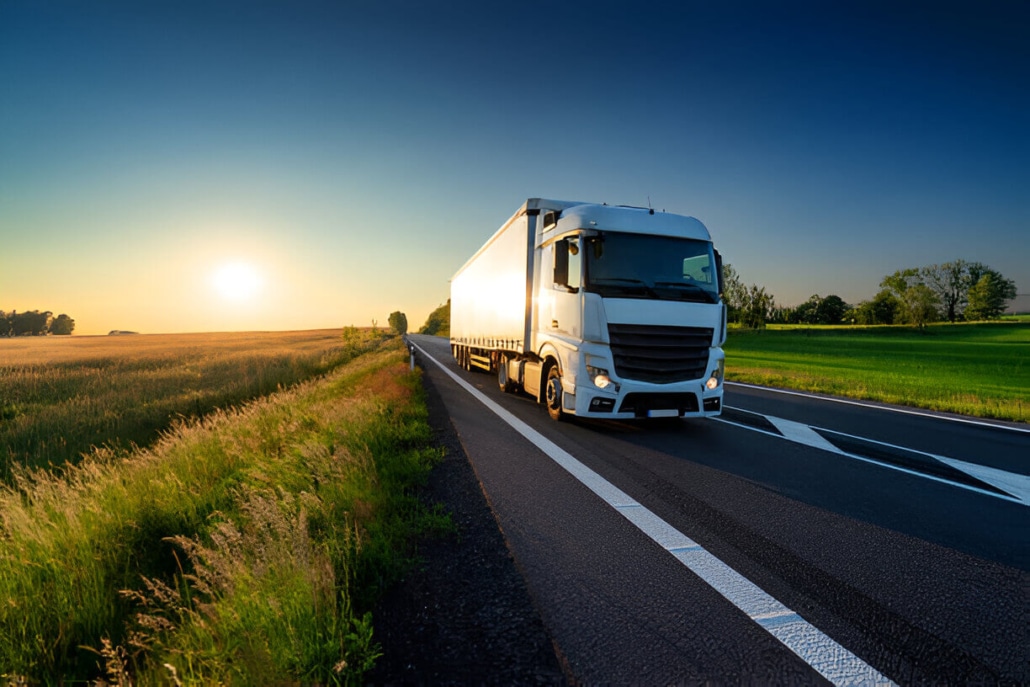
Is the premium price tag for door-to-door service worth it? In many cases, the answer is a resounding yes.
Cross-country moves
When moving thousands of miles, the logistics of terminal shipping become exponentially more difficult. Door-to-door provides peace of mind that your vehicle is being tracked and handled consistently across state lines.
Urban-to-suburban or suburban-to-urban relocations
Navigating a city in a personal vehicle is stressful enough; doing it to find a hidden transport terminal is worse. Door-to-door service removes the stress of navigating the city.
Customers without flexible schedules
If you have a strict start date for a new job or a specific closing date on a house, you cannot afford to wait for a terminal to process your vehicle. Door-to-door offers more predictable windows.
Shipping multiple vehicles
If you are moving two or three cars, driving them all to a terminal is a nightmare. A single carrier can often pick up all your vehicles from your driveway at once, streamlining the entire move.
First-time car shipping customers
If you’ve never done this before, trying to navigate the terminal system can be a total maze. It’s often confusing and a bit much to handle. Door-to-door is a much simpler way to start—it’s straightforward and way more user-friendly for anyone new to the shipping world.
When Door-to-Door May Not Be the Best Option
Even with all its perks, door-to-door isn’t always the right move for every situation.
Remote or rural locations with limited access
Sometimes, a driver just can’t get that massive rig anywhere near your house. If you live down a road with low-hanging branches, weak bridges, or turns that are too sharp for a 75-foot trailer, it’s not going to happen. In these spots, you’ll end up meeting the driver at a local mall or grocery store parking lot anyway, which kind of defeats the purpose of “doorstep” service.
Extremely tight budgets
If every dollar counts and you live near a central hub, terminal shipping can save you a few hundred dollars. If you have a friend who can give you a ride and you do not mind the extra legwork, the savings might be worth the hassle.
Customers are already near major transport hubs.
If you live in a city like Atlanta, Chicago, or Dallas, you might be minutes away from a central terminal. In this specific case, the convenience of door-to-door is minimized because the “extra trip” to the terminal is so short.
Short-distance moves where self-driving may be practical
If you are moving only 150 miles, the cost of hiring a professional carrier for door-to-door service might outweigh the cost of a tank of gas and a Saturday afternoon drive.
Door-to-Door Car Shipping Preparation Checklist
Preparation is the key to a smooth shipping experience. Follow this checklist to ensure your vehicle is ready for its journey.
Vehicle Readiness
- Clean exterior for inspection accuracy: A clean car makes it easier to spot existing damage.
- Document existing damage: Take high-resolution photos of all sides of the car, including the roof and lower bumpers, right before the driver arrives.
- Remove personal items and loose accessories: Carriers are not licensed to move household goods inside a car. Remove your toll tags, GPS units, and aftermarket items.
Mechanical & Safety Checks
· Check the battery is charged; for the driver to load/unload their vehicle from the trailer.
· Check tire pressure; flat tires pose safety risks while loading/unloading vehicles.
· Check for active leaks; a leaking vehicle may drip fluids onto other vehicles parked below on the trailer.
· Fuel tank approximately 1/4 full; sufficient amount of fuel for loading, but reduced weight.
Sorting out the logistics
This is done before the move by confirming the timing and location with the driver/broker. Ensure that your street does not have any “No Parking” signs that may impede the driver’s ability to park the truck. You should have a backup location ready in case you have trouble parking on your street because of its narrow width. In the end, have someone there for you to walk around the vehicle and sign on your behalf.
What to Expect on Pickup Day
Pickup day is usually a mix of anticipation and activity. Here is a play-by-play of how it typically goes.
Driver arrival communication
Most drivers will call you when they are an hour away. Use this time to move your car to the street and double-check that you have not left your sunglasses or garage door opener inside.
Inspection process and condition report
The driver will perform a “circle check.” They will mark down every nick and scratch on a digital or paper form. Be present for this. If you see a scratch they missed, point it out.
Review and signing of the Bill of Lading
Once the condition report is finished, you will sign the BOL. You should receive a copy immediately, either via email or as a paper carbon copy. This is your insurance policy for the trip.
Estimated time for loading
Loading a single car takes about 15 to 30 minutes. If the driver has to rearrange other vehicles on the trailer to fit yours, it might take a bit longer.
Common reasons pickup locations may change slightly
Safety is the driver’s priority. If they see low power lines or feel the road surface is too soft for a heavy truck, they will ask you to meet them at the end of the block.
Common Mistakes & Misconceptions About Door-to-Door Shipping
Avoid these common pitfalls to ensure your experience remains stress-free.
Believing pickup times are exact.
Trucking is subject to traffic, weather, and delays at previous stops. If a driver says they will be there at 2:00 PM, understand that this is an estimate.
Assuming trucks can access all residential streets
Many suburban neighborhoods have “No Commercial Truck” ordinances or tight turns that a large trailer cannot navigate. Always have a “Plan B” meeting spot in mind.
Leaving items in the vehicle
It is tempting to pack the trunk with extra boxes, but this is risky. The carrier’s insurance does not cover personal items, and can put the truck over legal weight limits.
Expecting door-to-door always to be the cheapest
Quality and convenience come at a price. While door-to-door is the most efficient method, it is rarely the absolute cheapest. You are paying for a premium service.
Confusing convenience with guaranteed speed
Just because a driver picks up the car at your door does not mean they are driving straight to the destination. They likely have other pickups and deliveries along the way.
Safety, Insurance & Responsibility Clarified
Understanding the legal side of transport helps you stay protected.
Carrier cargo insurance basics
Every legitimate carrier must carry cargo insurance. This typically covers damage caused by the carrier’s negligence or equipment failure. It does not usually cover weather-related “Acts of God.”
What door-to-door does and does not change about coverage
Choosing door-to-door does not change the insurance limits, but it does make the inspection process more transparent. Since you are at home, you can take your time without the pressure of a terminal environment.
Importance of condition documentation
Your photos and the Bill of Lading are your only defenses if damage occurs. If you do not note damage on the BOL at the time of delivery, it is nearly impossible to get a claim approved later.
Customer vs. carrier responsibilities
- Customer: Prepare the car, provide a safe pickup spot, and perform inspections.
- Carrier: Transport the vehicle safely, maintain insurance, and communicate delays.
How Professional Auto Transport Companies Manage Door-to-Door Logistics
There is a massive amount of behind-the-scenes work that goes into a door-to-door move.
Route optimization
Logistics managers use specialized software to group vehicles headed in the same direction. This ensures the truck is not driving “empty miles,” helping keep costs down for consumers.
Regulatory compliance (DOT restrictions)
Companies must monitor Department of Transportation regulations, including “Hours of Service” for drivers. This ensures that the person hauling your car is well-rested and alert.
Balancing efficiency with customer convenience
The goal is to create a route that hits as many “doors” as possible without requiring the driver to backtrack. This is why flexible pickup windows are so helpful for the industry.
Why communication is critical in door-to-door shipping
Because there is no central hub where the car sits, the flow of information between the broker, the carrier, and the customer is the glue that holds the process together.
Frequently Asked Questions (FAQ)
Is door-to-door car shipping really delivered to my driveway?
In most cases, yes. However, if your street has legal restrictions on large trucks or physical obstacles such as low-hanging trees, the driver will deliver to the nearest safe parking lot.
Why does door-to-door shipping cost more than terminal shipping?
It requires more fuel, more time for the driver to navigate residential areas, and more complex route planning than simply stopping at a major commercial hub.
Can I choose the exact pickup time?
Generally, no. You are given a pickup window (usually 1 to 3 days). On the actual day of pickup, the driver will provide you with a narrower timeframe as they navigate their local stops.
What if my street is too narrow for a car carrier?
The driver will coordinate a meeting at a nearby wide-open space, such as a shopping center or a large gas station.
Is door-to-door shipping slower or faster?
It is often faster than terminal shipping because your car does not sit in a warehouse waiting for a full load. However, the total transit time depends on the distance and the driver’s route.
Is door-to-door shipping safe for long-distance moves?
Yes, it is the industry standard. Most vehicles are moved via open or enclosed carriers using this exact method every day.
Do I need to be present at pickup and delivery?
Yes, or you must designate a representative over 18 to sign the inspection reports.
Does door-to-door shipping include insurance automatically?
Yes, reputable carriers include cargo insurance in their quotes. Always ask for a copy of the insurance certificate if you have concerns.