
Ship It Right: Vehicle Transport Tips
Indeed, it can be very frustrating to give away your car keys to a stranger and watch your car leave in the trailer of a truck.
And if you’re transporting a vehicle for the first time, you may have a thousand things on your mind. Would it get there safely? Is there some extra cost involved? Exactly how long would it take to get there?
But don’t worry; vehicle transportation does not have to be a mysterious and stressful process at all.
Essentially, everything about a successful car delivery process depends upon one thing only: preparation. Once you understand all the necessary steps and the entire procedure, you will have nothing more to worry about.
In this article, we will explain everything you need to know to avoid these issues.
Understanding How Vehicle Transport Works
Before you book anything, it’s a good idea to understand how things work. The vehicle shipping industry has a few moving parts. Usually, you work with a broker who finds the right truck for your route or a carrier who actually drives it.
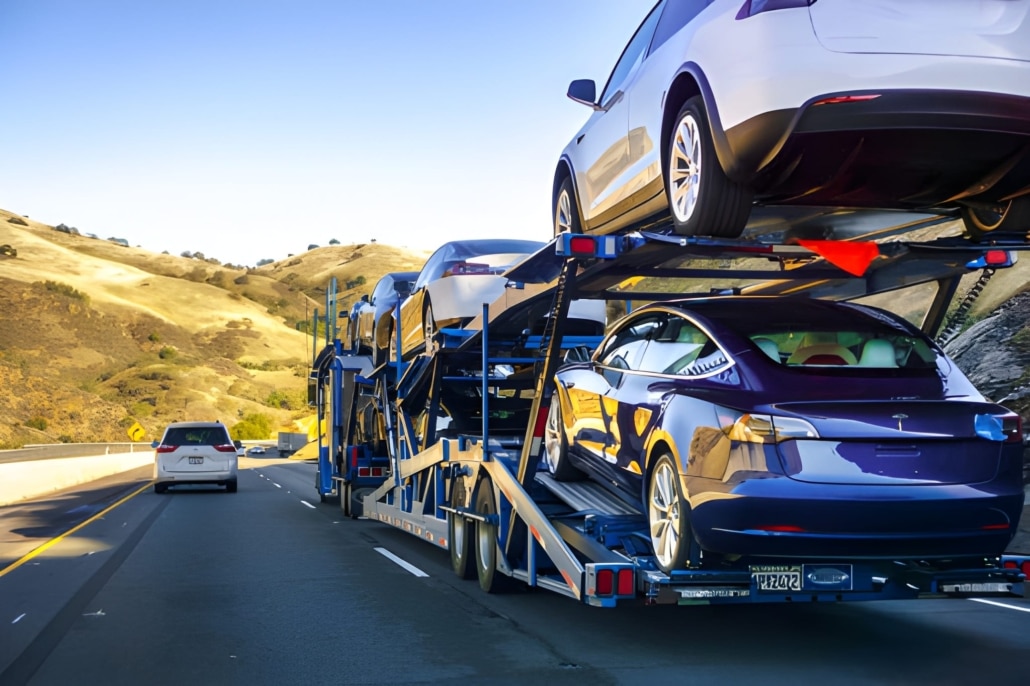
And there are a few options for you. You can ship your car via open transport, which is the standard multi-car trailer you see on the highway. Or you can choose enclosed transport, a fully covered trailer best suited for high-end cars or classics. You must pick between door-to-door and terminal-to-terminal shipping. Door-to-door is where the truck will come as close to your house as possible without getting stuck. Terminal-to-terminal is when you drop off and pick up your car at a specific lot.
The Basic Vehicle Shipping Journey
Here’s how the car shipment process works.
Start by getting a quote so you can compare prices for your vehicle and shipping route. Once you’ve done these steps, book your transport to reserve your place. Up next, you arrange a pickup, and you’re given a time window. Then you do the vehicle inspection, and so does the driver, looking for any pre-existing damage. Then, the transit period ends, and away goes the vehicle. Lastly, you complete the delivery inspection and sign the final acceptance paperwork to collect the keys.
Vehicle shipping preparation checklist before booking
Don’t just jump at the first quote you see. Take a few minutes to research your info. Knowing your facts gets you an accurate quote and a realistic timeline. Compare your options, check insurance, and find out which type of auto transport fits your budget.
Information to provide
Keep this info ready when you call around. You need to provide your vehicle’s year, make, and model. You have to specify the vehicle’s current condition. Is it running, steering, and braking? A few other things to include are the pickup and delivery ZIP codes, your preferred dates, and your contact info.
Questions to ask before choosing a transport company
Questions that come to mind are
· Are they fully licensed and registered?
· What is the limit of their insurance coverage?
· Do they offer tracking while the car is in transit?
· What is their standard delivery window, and what if I have to cancel?
· How will they keep me informed about the trip?
The Ultimate Vehicle Transport Readiness Checklist
You booked your transport. Now it is time to prep the car. Follow these exact steps before the truck pulls up.
Clean your vehicle
Wash your car thoroughly. It sounds counterintuitive, since it will sit on a dusty truck. However, this step is highly important. Dirt and grime hide dings, dents, and scratches. A clean car guarantees an accurate pre-shipping inspection.
Remove personal belongings
Your car is not a moving box. Carriers have strict weight limits they must follow to stay compliant with federal regulations. The carrier’s insurance covers the vehicle itself, not the golf clubs or laptops left in the trunk. Clear out your personal items to avoid damage and extra fees.
Check for mechanical issues
If your car has a quirk, the driver needs to know. Inform them if the battery is dead, the brakes are soft, or if it leaks fluid. Fluid leaks are especially serious because they could drip onto a car parked below yours on the trailer.
Reduce fuel levels
Run your gas tank down to about one-quarter full. A full tank adds unnecessary weight to the truck and creates a safety hazard. A quarter tank is plenty of fuel to drive the car on and off the trailer.
Secure loose parts and accessories
Remove toll tags so you do not get charged as the truck drives through toll booths. Fold your mirrors in, retract the antenna, and remove any loose custom accessories, such as roof racks or aftermarket spoilers.
Document vehicle condition
Grab your phone and take high-resolution, time-stamped photos of your clean car. Get all four sides, the roof, the bumpers, and the wheels. This is your proof of the car’s condition before it left your driveway.

What to Expect During Vehicle Pickup
Pickup day is here. The driver will usually call you a few hours or even a full day before they arrive to confirm the timing and location. Set realistic expectations for this appointment.
Carrier arrival process
Keep in mind that auto transport trucks are massive. They cannot navigate tight residential streets, narrow cul-de-sacs, or areas with low-hanging trees. If they cannot reach your house, the driver will ask you to meet them at a nearby large parking lot, such as a grocery store or a mall.
Vehicle inspection and bill of lading
When you meet the driver, you will walk around the car together. The driver will note any existing scratches or dents on the Bill of Lading. This is the single most important piece of paper in the entire process. Review it carefully to make sure it is accurate.
Handing over the vehicle
Now you sign the Bill of Lading. Then you hand over the keys and talk about the estimated delivery time. Wave goodbye, and your car is gone.
During Transit: What Happens While Your Vehicle Is Being Shipped?
The car is securely strapped to the trailer, and the driver is following the route. Professionals handle the vehicle loading. Drivers plan the routes precisely, but they are still subject to the whims of the road.
Factors that can affect delivery timing
Truck drivers can legally drive only a limited number of hours each day. In addition, their schedule can change. Severe weather delays, heavy traffic congestion, and unexpected road closures play a big role. Mechanical issues with the truck or high seasonal demand can also slow down the transit process.
Common Vehicle Shipping Mistakes to Avoid
People make the same few mistakes over and over. Avoid these, and your vehicle shipping experience will be infinitely better.
Waiting until the last minute to book
If you need your car picked up tomorrow, you will pay a premium. Last-minute bookings mean reduced carrier availability, higher shipping costs, and massive scheduling challenges.
Choosing based solely on price
It is tempting to pick the absolute lowest quote. Do not do it. Unusually low quotes often mean hidden fees, poor communication, or a broker who struggles to find a reliable carrier willing to take the job at that price. Service quality drops rapidly when the price goes too low.
Skipping vehicle documentation
If you do not take photos and rush through the Bill of Lading, you will have zero leverage if your car is damaged. Missing inspection records make it incredibly difficult to resolve any damage claims later. Take five minutes to document your car properly.
Leaving personal items inside the vehicle
Leaving heavy boxes in your back seat increases your risk of interior damage. It creates weight issues for the truck and falls outside of insurance coverage exclusions.
Not understanding pickup and delivery windows
Trucks are not trains. They do not run on exact-to-the-minute schedules. Expecting a truck to arrive exactly at 2:00 PM on a Tuesday is a recipe for frustration. Understand the industry scheduling realities and expect flexible timing.
Common Misconceptions About Vehicle Transport
Let’s clear up a few rumors about how this business works so you can have total peace of mind.
“My Car Will Arrive on an Exact Date”
Variables on the road change constantly. A flat tire or a snowstorm can set a truck back by a day. A reputable auto transport company gives you a reliable delivery window rather than an exact hour.
“Enclosed Shipping Is Always Necessary”
Unless you are shipping a vintage Ferrari or a custom show car, open transport is perfectly fine. Open transport has an excellent safety record. Dealerships use open transport for brand-new cars every single day. It is safe and much more cost-effective.
“The Cheapest Quote Is the Best Deal”
Value is not the same as price. A slightly higher quote from a company that actually picks up the phone, answers your questions, and uses vetted drivers is well worth the extra money. Service reliability is what you are actually paying for.
“Vehicle Shipping Insurance Isn’t Important”
Personal auto insurance rarely covers your car while on a commercial carrier, making the carrier’s cargo insurance your primary protection. Protect your investment by requesting the carrier’s insurance certificate and taking timestamped photos of your vehicle. Always perform a thorough walk-around inspection at delivery, noting any new damage on the Bill of Lading before signing.
Expert Tips for a Smooth Vehicle Shipping Experience
Want to ship like a professional? Keep these practical recommendations in mind.
Book early whenever possible
Give yourself a buffer. Booking early gives you access to better pricing opportunities and more carrier options.
Maintain flexible pickup dates.
If you demand a pickup on one specific day, your options shrink, and your price goes up. Giving the transport coordinator a window of a few days allows for route optimization benefits. This flexibility often results in potential cost savings for you.
Communicate clearly with your transport coordinator.
Make sure the auto transport company has your accurate contact information. Give them vehicle condition updates if anything changes. Be clear about your availability during pickup and delivery so no one waits.
Understand seasonal shipping trends.
Shipping a car from New York to Florida in October is like competing against thousands of other cars headed south to escape the winter. Prices are higher, and the availability is lower. Weather impacts can also affect the move. You mitigate most of these factors with planning.
Why Working with an Experienced Auto Transport Partner Matters?
You can try to navigate the vehicle shipping industry on your own, but having an experienced partner makes a significant difference. Professional coordination benefits you directly. Preowned Auto Logistics leverages its carrier network to find the best driver for your route. We also ensure that we meet high compliance and insurance standards before your car ever leaves the driveway.
Moving’s stressful, but PreOwned Auto Logistics makes it easier. We provide clear, regular updates, so you always know your shipment’s status. PreOwned Auto Logistics takes care of getting your vehicle to you safely and right on schedule, so you can relax and focus on settling in.
Frequently Asked Questions About Vehicle Transport
How far in advance should I schedule vehicle shipping?
Ideally, you should book two to four weeks before your desired pickup date. If you are shipping during peak summer months or the winter moving season, give yourself even more time.
What documents are needed to ship a vehicle?
You do not need the title or registration to ship the car domestically. You just need your keys and a valid form of identification to sign the Bill of Lading.
Can I ship a non-running vehicle?
Yes, you can. You just have to let the transport company know upfront. Carriers need special equipment, like a winch, to load a non-running car. This requirement usually adds a small additional cost to your quote.
Is my vehicle insured during transport?
Yes, it is. Legitimate carriers carry commercial cargo insurance that covers your vehicle while it is loaded on their truck. Make sure you double-check their coverage limits and ask them to send over a copy of their insurance certificate.
How long does cross-country vehicle shipping take?
Expect it to take about seven to ten days, though you should keep in mind that things like traffic, the weather, or even the route itself might push that timeline around a bit.
Can I leave items inside my vehicle?
Most carrier policies strongly advise against this. Some drivers will allow a recommended limit of up to 100 pounds of soft items in the trunk. However, personal items are never insured against damage or theft.
What’s the difference between open and enclosed transport?
Open transport is the standard way to ship; your car travels on a regular trailer, exposed to the elements, but it’s the most budget-friendly option. Enclosed transport uses a walled trailer to shield your vehicle from road debris. If you’re moving a classic or high-value car, enclosed car transport is the best option.
What should I do when my vehicle is delivered?
Do one last loop around the vehicle with the driver. Cross-check its condition against your starting photos and the original Bill of Lading to ensure everything aligns. If it all looks good, sign off on the paperwork. However, if you spot any damage, document it on the Bill of Lading immediately before the driver heads out.
Conclusion: Ship Your Vehicle with Confidence
Getting your vehicle shipped doesn’t necessarily have to be a difficult experience. A bit of preparation will make things quite straightforward while keeping your car safe.
First, give your vehicle a thorough cleaning, snap some good photos, and be ready to compromise on the pick-up and delivery times.
Most importantly, carefully check the bill of lading, as this document is central to identifying a car’s condition and even the handling of claims. Starting early not only means you can spend less but also helps you avoid last-minute hurdles.
Want your vehicle moved safely and without stress? Contact Preowned Auto Logistics for a clear, upfront quote and reliable transport from start to finish.