
What Happens After Your Car is Loaded on a Transport Truck?
What Happens After Your Car is Loaded on a Transport Truck?
Don’t wonder anymore about where your car goes when it’s hauled away on that big transport truck. You’ve scheduled your car shipping company, prepared your car, and now you’re watching your car get loaded onto the transport truck. Now what? Many vehicle owners don’t really understand the entire process their car goes through from pickup to delivery. Knowing this process may alleviate some anxiety and give you a better idea of what to expect.
Once your car has been securely fastened to a transport truck, the journey begins with careful coordination among professional drivers, dispatchers, and logistics teams to ensure your car arrives safely and soundly at the designated destination. The process of transporting your car includes numerous checkpoints along the route, monitoring by dispatchers and logistics teams, and very specific safety procedures to protect your vehicle throughout the trip.
This article will take you step-by-step through all the stages of the car transport process after your car has been loaded onto the transport truck. You will learn how carriers secure cars, what happens while your car is in transit, how to track your shipment, and what to expect when your car is delivered.
Securing Your Vehicle On The Transport Truck
Your vehicle’s safety depends on proper, secure loading procedures. All professional carriers use heavy-duty, high-quality straps (tie-downs), wheel chocks, and padding to ensure your vehicle is securely fastened throughout the transport process.
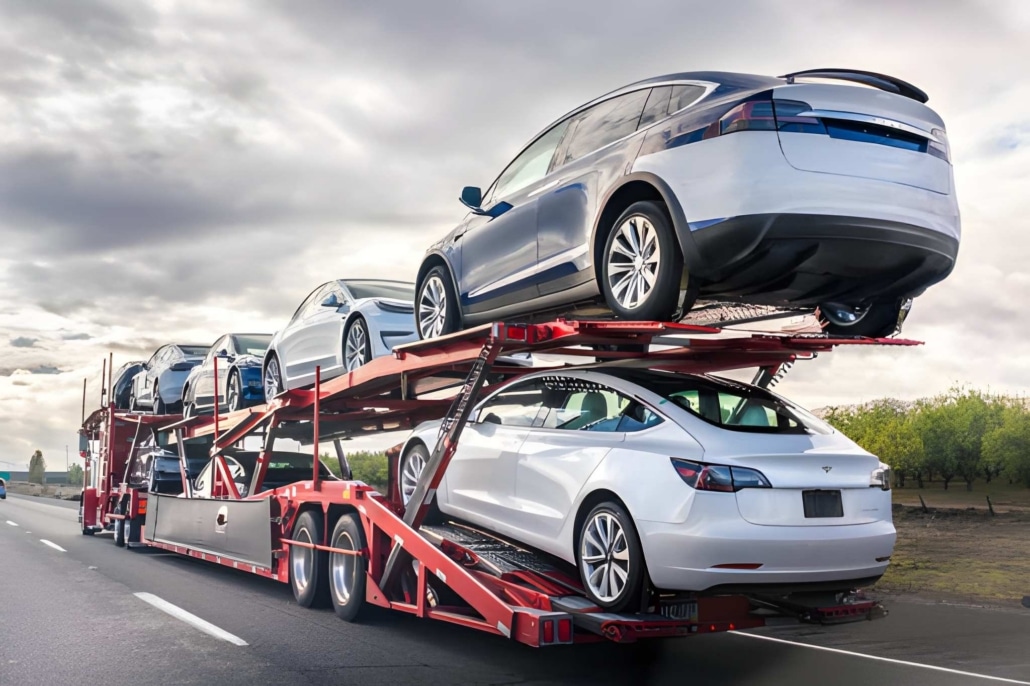
The carrier’s loading procedure is based on established industry standards developed through many years of experience transporting vehicles. The driver positions the vehicle(s) strategically on the transport truck, considering the weight of the vehicle(s) and their ability to be unloaded. The vehicle is then secured to the truck deck using heavy-duty tire straps. Wheel chocks are placed in front of and behind the tires to prevent the vehicle from moving.
The vehicle is also protected with soft padding at areas where it may come into contact during transport. The combined method used to secure vehicles, including tire straps and wheel chocks, helps ensure your vehicle will not move or shift when traveling, stopping quickly, or turning sharply.
Types of transport trucks
There are two primary types of transport trucks, and the type selected determines how the vehicle will be transported. The first type of transport truck is an “open” transport truck. Open transport trucks are the most commonly used and least expensive option available. They leave your vehicle is exposed to the elements but provides the same care and attention to detail as an “enclosed” transport truck. Due to space limitations, open carriers typically transport 6–10 vehicles at a time, making them an affordable option for the majority of standard vehicle shipments.
Enclosed vehicle transport
An “enclosed” transport truck offers additional protection by providing a fully enclosed trailer to house your vehicle. Enclosed transport trucks shield your vehicle from the weather, road debris, and dust during transport. Enclosed transport trucks transport a multitude of classic cars, luxury vehicles, and exotic cars. Although enclosed transport is significantly more expensive than open transport, it does provide the highest level of protection and peace of mind for high-value vehicles.
Maintaining vehicle stability during transportation
To keep your vehicle stable during transportation, carriers take many steps. Before leaving the pickup location, drivers inspect all securing devices to ensure they are securely attached. The way the vehicles are placed on the truck bed is designed to ensure even weight distribution, preventing swaying or instability while driving. Most modern transport trucks now feature hydraulic systems and air-ride suspensions, which help reduce vibration and absorb the impact of uneven road surfaces. These technological advancements help protect your vehicle from the effects of long-distance travel.
What Happens During the Transport Journey?
Transportation companies put a lot of effort into developing the best possible routes for you. These routes are developed by logistics teams who consider several variables when planning. Variables include how far away your destination is; the condition of the road from one place to another, what the traffic is like along the route, and how much time you have before you need to be at your destination.
Planning a route
Logistics teams will plan a route that avoids as many trouble spots as possible. Additionally, logistics teams will ensure there is enough space for their vehicle (usually a trailer) to move safely down the highway and turn corners. By doing this, logistics teams reduce the risk of having to stop due to route issues and ensure your vehicle reaches its destination as quickly as possible without causing damage.
Transportation companies track your vehicle during its journey.
There are now several ways for transportation companies to track their vehicles in real time. The most common method is GPS (Global Positioning System). Many companies install GPS systems in their trailers, which allow them to see exactly where each of their vehicles is at all times. In addition, many companies use technologies such as mapping services to track each vehicle.
Using a GPS allows both the transportation company and the customer to see exactly where the vehicle is at all times. Dispatchers for the transportation company can then contact the driver if anything arises that may delay the vehicle’s delivery.
Responsibilities of the driver
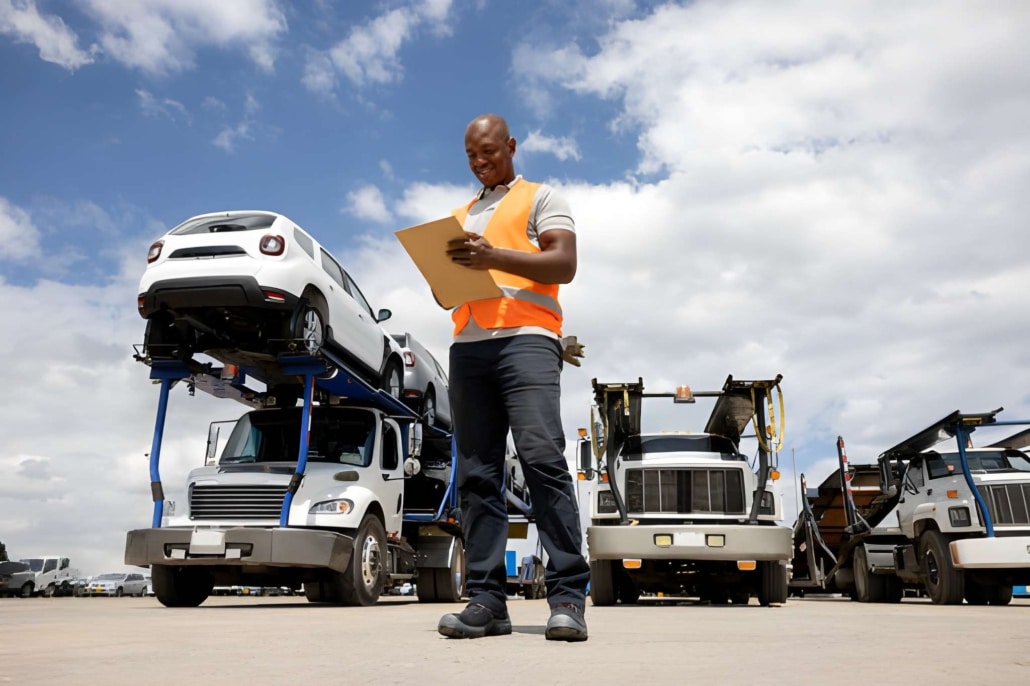
The driver bears the responsibility of ensuring the safe delivery of your vehicle to you. Transportation company drivers are required to obtain a Commercial Driver’s License (CDL), which requires completing several hours of training. Also, drivers are specifically trained to handle transporting several vehicles and are very serious about their job.
Drivers are expected to follow the original route and the scheduled arrival time as closely as possible. During the driver’s regular breaks, the driver must visually inspect each secured vehicle for any signs of movement or loose straps.
The driver plays a crucial role in preventing damage to your vehicle during transport.
Common Delays or Challenges During Transport
Inclement weather
Whether it is rain, snow, sleet, hail, etc., inclement weather can cause transportation delays. The weather can also force you to slow down if you feel uncomfortable driving in the elements. Safety should always be your first concern. Transportation companies stay up to date on weather forecasts and reschedule deliveries accordingly.
Road closures or traffic congestion can cause delays in transportation.
Transportation can be delayed because of highway traffic jams and road closures. Traffic jams can be caused by several things, such as major accidents, road construction, and special events. Transportation trucks cannot always take detours like smaller cars. Transportation companies use real-time traffic information to help drivers navigate, but some delays are inevitable. Urban areas are particularly difficult to navigate, especially during rush hour. Many transportation companies deliver at non-peak hours when traffic is less congested.
Logistical issues & re-routing
There are times when the best route becomes impossible to follow. There are height/weight limits on bridges, low clearances on roads, and the possibility of road damage. This forces the transportation company to look for an alternative route.
Deliveries to rural and remote areas require creative routing, which can lengthen the delivery.
Reputable transportation companies have flexible systems in place to deal with the problems mentioned above. Experienced truckers know multiple ways to reach a given location and can quickly come up with a new route when the usual route is no longer available. While finding a new route may increase delivery time, it is better than having a vehicle damaged by taking a hazardous route.
Mechanical issues with the truck
Despite routine maintenance checks on transportation trucks, mechanical failures can still occur. A blown tire, a faulty engine, or a broken trailer needs to be fixed immediately.
When a mechanical failure occurs, transportation companies have policies in place to protect all vehicles on the truck. They also have repair shops along common routes that they can call upon to fix the problem.
In rare instances, a mechanical failure could cause a prolonged delay. If this were to happen, the transportation company might transfer the vehicle to another truck. The goal is to keep the customer informed and ensure their vehicle is delivered on time.
Tracking and Communication During the Transport Process
Modern car transport companies usually allow customers to track their vehicles using various methods. Most of these companies offer customers access to a web portal where they can view their vehicle’s current location using GPS data from the truck’s onboard GPS device. Many of them have developed mobile apps that let you view your vehicle’s current location. Throughout the transportation process, you can always access this information. Some carriers will provide a tracking number or reference code so you can call their customer service department to get the latest status.
Tracking methods
The two main ways most quality transportation companies provide tracking options are via the internet (via their website or mobile app) and over the telephone (by calling the carrier’s customer service department). If you want to stay up to date on your vehicle’s status and need to know when it arrives at or leaves a particular stop, having both options is a big advantage.
Update information
Quality transportation companies keep their customers well-informed throughout the entire shipment process by sending regular updates at key points. These could include:
- When your vehicle departs from its original pickup location
- When your vehicle passes specific checkpoints along the route
- When your vehicle gets close to the final delivery destination
Updates are sent via multiple methods.
In addition to providing the above-mentioned updates, many transportation companies will also send the information to you via multiple formats. For example, they may send an email to notify you of the status of your vehicle, and a text message to remind you of a pending shipment or delivery, and/or they may make a phone call to notify you of a potential problem or delay.
Contacting the driver
While contacting the driver of your vehicle can be a beneficial option for some inquiries, there are limits on when the driver can accept phone calls. While driving, they should only take calls at designated rest stops or during other breaks. In most cases, if you need to ask a question about the delivery timing or have a special instruction for the final delivery, you would contact the dispatcher, who will forward your inquiry to the driver when possible. However, the dispatcher is generally available to answer most of your questions and is the best person to contact for urgent matters.
Vehicle Delivery: The Final Stage Of The Process
The delivery phase begins once the delivery truck reaches the destination you designated. Typically, drivers will call you approximately 2-6 hours before arriving at your location so you can be prepared, and someone will be available to take possession of the vehicle.
When the driver arrives at the location, they will position the truck safely for unloading. They will remove the straps used to secure the vehicle during transport. The driver will check the vehicle, then either drive or manually push it off the trailer.
This process requires patience and precision to avoid additional damage to the vehicle.
Vehicle inspection upon delivery
Inspecting your vehicle after delivery is a critical part of the overall shipping process. Before signing any documents, have the driver thoroughly inspect your vehicle. Compare your vehicle’s condition to the bill of lading/inspection report created at pick up.
Check for any new scratches, dents, or other damage that were not present before shipment. Verify that all personal items you left in the vehicle are still present and in good working order. Open and close the doors, trunk, and hood to verify proper function. Take photographs or video recordings of any new damage found. These records will be valuable should you need to file an insurance claim.
Final handoff and customer sign-off.
Upon completing your inspection, the driver will ask you to sign the delivery documents. The delivery documents serve as proof of your vehicle’s possession and provide a description of its condition upon delivery. If you find any damage during your inspection, please ensure the driver documents it on the bill of lading before you sign. Do not sign a document stating that your vehicle was delivered in excellent condition if you have discovered damage.
Upon your signature, the driver will provide you with a copy of all pertinent documents. Please keep these documents in a safe area, as you will need them to support any claims you may wish to file. Depending on how you paid for your transportation (i.e., cash), the driver may require payment at the time of delivery. After completion of the delivery documents and/or payment, you are free to leave in your newly delivered vehicle.
Common Issues Post-Loading and How to Handle Them
Vehicle damage during transport
Damage to your vehicle is extremely rare during transport. However, it has happened to some people. Take immediate action if you discover damage during delivery, and take photos from at least 3 different angles. Document the damage on the bill of lading before signing. Additionally, instruct the driver to sign the bill of lading, ensuring that the damage is also noted.
Call the customer service office for your transport company within 24 hours to report the damage. Most professional transport companies carry insurance to cover any damage to vehicles during transportation. Send your documentation (photos and the signed bill of lading) to the transport company, and they will walk you through their claims process. Typically, the first step is for the transport company to obtain an estimate for repairs. After obtaining the estimate, the transport company will submit it to its insurance provider for approval.
Delivery delays/changes in schedule
Although everyone tries to maintain a timely schedule, delays do occur. In the event of a delay, your transport company is expected to reach out to you promptly. Ask the transport company to provide a revised estimated delivery time and explain the delay. Weather and other logistical issues are usually the cause of most delays.
If you have flexible scheduling, let the transport company know. Moving the delivery time up by a couple of days may allow the transport company to get your vehicle to its destination more quickly. Be patient, but stay involved and ask for regular updates until the issue is resolved.
Preventing miscommunication
Preventing miscommunication is one way to address most issues associated with transporting cars. Provide the transport company with accurate contact information and indicate your preferred method for receiving messages. Respond to messages from the transport company as quickly as possible, and don’t hesitate to ask for clarification when something doesn’t seem correct.
Document all of your communications with your transport company (emails, text messages, etc.). Make sure to document any changes to the pick-up/drop-off locations in writing. Documenting your interactions with the transport company will help resolve any disputes that may come up and ensure that both parties are working with the same information.
Frequently Asked Questions
How do I know my car is safe once it’s on the transport truck?
Carrying your vehicle safely depends on various factors, including how well you secure it and how well your carrier will handle it. The best carriers are using high-quality (industrial) straps, wheel chocks, and padding to ensure that your vehicle will not move while being transported.
Can I track my car during transport?
Most top transportation companies now offer the option to track your vehicle in real time via their website or mobile app. If you want the most up-to-date information on your vehicle’s location at any given time during its shipment, contact the company you booked with and provide your booking number. They should then be able to give you the status of your vehicle.
What happens if my car experiences a delay during transport?
The carrier should promptly notify you of any delays and provide an estimated delivery date. The most common reasons for delays are weather, traffic, and mechanical problems. Please reach out to the company for updated information on when you can expect your vehicle to arrive.
What actions should I take if my car sustains damage during transportation?
Take photos of any damage that occurs during delivery and document it on the bill of lading before signing for receipt of goods. Also, call the carrier within 24 hours of delivery to report the damage and begin the formal claim process. Many carriers have insurance coverage to pay for any damage that occurs during transport.
How can I get updates on my car’s delivery status?
Contact the carrier’s customer service department, use their online tracking system, or reach out to dispatch for real-time updates. Many companies also send automatic notifications at key shipping milestones.
How do I prepare my car for transport before it’s loaded onto the truck?
Remove all personal items, document existing damage with photos, ensure the gas tank is no more than one-quarter full, turn off alarms, and provide the carrier with any special instructions for your vehicle.
What happens if I need to change my delivery address mid-shipment?
Please reach out to the carrier promptly to discuss the change. Depending on the truck’s current location and route, they may accommodate the new address. Additional fees might apply for significant route changes.
What documents do I need when my car is delivered?
Have a valid photo ID and be prepared to sign the bill of lading. If you are paying cash upon delivery, please ensure you have the exact payment amount prepared. Keep copies of all paperwork for your records.
Final Thoughts on The Car Transport Process After Loading
Vehicle shipping becomes much clearer when you know what happens to your car once it is loaded onto a transport truck. Professional teams are working around the clock to deliver your vehicle as quickly and safely as possible. We use experienced drivers, proper vehicle securing methods, and state-of-the-art tracking technology to protect your vehicle during the shipment process.
A trusted and dependable auto transportation company will greatly enhance your experience. Choose an auto carrier with a history of reliability, full insurance coverage, and clear communication about your vehicle’s location at all times. A quality auto carrier can help resolve any issues that may arise and provide you with excellent customer service throughout the entire process.
Here at Preowned Auto Logistics, we realize that your vehicle is a large investment. This is why we strive to provide the most secure, timely, and transparent service available. From the moment we pick up your vehicle and load it onto a transport truck to the moment we deliver it to your doorstep, we are committed to providing the best possible care and communication. Would you like to have your vehicle shipped with confidence? Get a free quote from Preowned Auto Logistics today and see the difference a professional car transport company can make!