

How Weather Delays Affect Auto Transport Timelines & What to Do
U.S. highways don’t just slow down in winter, they close. Thousands of miles shut each season, and auto transport carriers bear the brunt more than nearly any other freight business on the road. Ship a vehicle cross-country, and a weather delay isn’t a possibility. It’s scheduled for uncertainty.
Here’s where most people go wrong: they spend weeks orchestrating a move, booking crews, arranging flights, and rerouting mail, then treat the car’s arrival like a fixed point. It isn’t. One snowstorm barreling through Kansas City (State of Missouri) can push delivery back four days with no warning.
The biggest issue in vehicle shipping is the delay between when you expect your car and when it actually arrives. This guide exists to close that gap, not by promising faster delivery, but by helping you plan honestly for the window that actually exists.
Why Weather Impacts Auto Transport Schedules
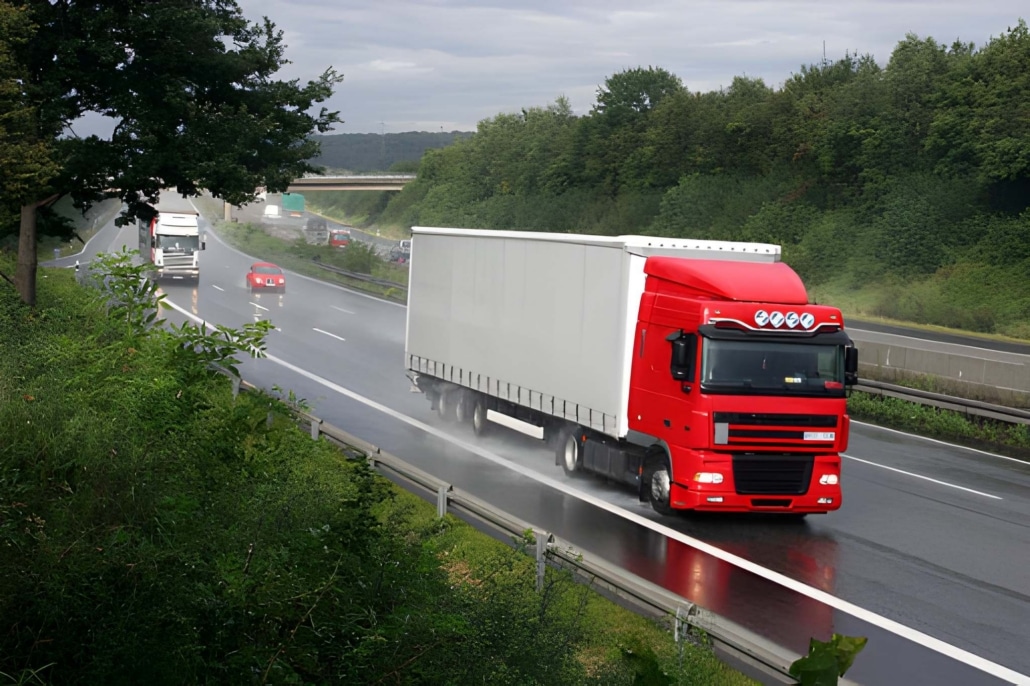
A loaded car carrier hauling eight vehicles weighs close to 80,000 pounds. At that weight, stopping distances on ice can stretch three to four times longer than normal, and crosswinds above 40 mph push a fully loaded open carrier dangerously close to its stability limits. These aren’t minor inconveniences but conditions that turn a routine highway drive into a serious safety risk.
When visibility drops, roads ice over, or major corridors flood, carriers face both legal obligations and practical reasons to stop. Federal motor carrier safety regulations set clear standards for when drivers must pull off the road, and no professional carrier risks an 80,000-pound load moving through a whiteout.
Route changes add their own layer of delay. A storm blocking Interstate 40 through the Carolinas might push a carrier north through Virginia, adding hundreds of miles to a route that was already three days long.
Types of Weather Conditions That Commonly Cause Delays
Snowstorms and ice
The I-80 corridor through Wyoming closes multiple times every winter, sometimes for 24 hours or more, stranding carriers mid-route with no option but to wait. Mountain passes across the Rockies and Appalachians impose mandatory chain requirements that cut speeds to 25 to 30 mph, turning a six-hour leg into a twelve-hour crawl. When a major storm targets your pickup city specifically, carriers often reschedule before the truck even leaves, because loading a vehicle on an icy driveway creates damage risk before the shipment starts.
Heavy rain and flooding
During Hurricane Ida in 2021, flooding closed sections of I-10 through Louisiana and Mississippi for days, rerouting carriers hundreds of miles out of their way. Even a standard heavy rain event reduces visibility enough that carriers slow significantly on open interstates. The congestion from accidents during rainstorms compounds delays that would otherwise resolve within hours.
Hurricanes and severe storm
A hurricane doesn’t have to make landfall near your city to affect your shipment. Following Hurricane Ian’s 2022 landfall in Florida, transportation firms suspended their services throughout the southeastern United States for several days. Fuel scarcity, blocked roads, and the mass exodus of evacuees resulted in a significant backlog, taking almost a week to resolve. Furthermore, before a storm, demand surges dramatically as individuals attempt to relocate their vehicles from the danger zone, further straining the capacity of carriers.
Extreme heat and wildfire conditions
In the summer of 2021, wildfires forced the closure of Interstate 90 through Washington State for an extended stretch, rerouting traffic and transport carriers entirely. Extreme heat above 110°F in desert regions forces drivers to take mandatory cooling stops and can cause tire blowouts and brake failures on heavy rigs. Both situations extend transit times in ways that have nothing to do with the origin or destination weather.
Step-by-Step Checklist: What to Do if Weather May Affect Your Shipment
1. Build flexibility into your schedule
If you plan to drive yourself to a new city and have your car delivered two days later, a single weather delay wipes out that entire cushion. Build in at least three buffer days during winter months or hurricane season, and never schedule your vehicle’s arrival on the same day as a move-in, flight, or work start date.
2. Keep in touch with your transport coordinator.
Before your scheduled pickup, double-check how your coordinator will keep you informed. Some businesses prefer phone calls, while others opt for texts or emails at important stages.
Ask directly whether they notify you proactively or wait for you to check in. That one conversation sets clear expectations before any delay occurs.
3. Prepare backup transportation
Book a rental car reservation you can cancel at no cost, or identify a local ride-share option before your shipment departs. A one-to-five-day delay feels manageable when you have a way to get to work. Without a backup, that same delay creates a cascade of problems that a phone call to a rental agency could have prevented entirely.
4. Monitor weather along the full route
Use a tool like Weather.com or Windy to track conditions not just at your origin and destination, but along the entire corridor. A cold front moving through the Midwest affects a shipment traveling from Denver to Atlanta, even though neither city sees a single snowflake. Tracking the full route gives you two to three days of advance notice before your coordinator even calls.

How Weather Delays Affect Pickup vs. Delivery Differently
Pickup delays are easier to manage because the vehicle hasn’t entered the transit chain yet. If a storm is heading toward Chicago on your scheduled pickup day, your coordinator can shift the date by 24 to 48 hours without disrupting much else. Carriers can reassign your load to a truck departing after the storm clears.
Delivery delays are harder to predict because weather can develop anywhere along a multi-day route. A shipment that leaves Dallas in clear skies can still hit an unexpected ice storm in Missouri two days later. At that point, the carrier holds the vehicle at a secure location and resumes once the roads clear, which typically adds one to three days depending on the storm’s duration.
What to Expect During Vehicle Pickup in Bad Weather
Drivers assess conditions before loading, even if the pickup appointment is already confirmed. If the road leading to your home is iced over or your driveway sits on a steep grade that the carrier can’t safely navigate, the driver will call to discuss options rather than attempt a risky maneuver. Inspection still happens in bad weather, though drivers move through it efficiently to limit exposure time.
To keep things moving smoothly on pickup day, here’s what you should do beforehand:
• Clear snow and ice from around your vehicle so the driver can access it safely
• Make sure no other cars block the driveway or street access point
• Confirm the vehicle is running and the gas tank sits at a quarter full or less
• Leave written instructions or a contact number if you won’t be present in person
A driver who spends 20 minutes trying to access a blocked vehicle often falls behind on the rest of the day’s schedule, which ripples forward into your delivery timeline.
How Auto Transport Companies Minimize Weather-Related Delays
Reputable carriers track weather systems actively across their routes, not just at endpoints. Dispatch teams use logistics software that flags route closures in real time and suggests alternate corridors before a driver gets stuck. A carrier with a strong broker network can shift a load to a different truck departing on a better route, rather than holding everything until one vehicle clears the problem area.
The difference between a company that manages weather well and one that doesn’t often shows up in communication, not transit time. Both face the same storms. One calls you before the delay; the other calls you after you start wondering where your car is.
Common Mistakes Customers Make About Weather Delays
Avoiding these errors will save you a lot of frustration before and during your shipment:
• Treating the delivery window as a guarantee. Auto transport contracts use windows because road conditions are unpredictable. Planning around the last day of a five-day window leaves no room when weather pushes delivery to day seven.
• Assuming enclosed transport prevents delays. Enclosed trailers protect vehicles from debris and moisture, but the driver navigating an ice storm faces the same road conditions as any open carrier. Trailer type has no bearing on whether a highway is passable.
• Booking last-minute during peak weather seasons. Waiting until December, January, or late summer hurricane season consistently leads to limited carrier availability. When demand spikes and weather disrupts schedules simultaneously, early bookers get priority.
• Not planning a transportation backup. Customers who have no backup plan treat every delay like an emergency, even when the delay is minor and completely normal.
Practical Tips to Reduce Stress During a Weather Delay
These habits make a real difference when a delay stretches longer than expected:
• Remove personal items before shipping. Carriers’ terms typically prohibit loose items inside transported vehicles. If your car sits in a yard for two extra days, you’ll want everything important with you rather than locked in a trunk 600 miles away.
• Keep a written record of every update. Note the date, the revised estimate, and the name of whoever you spoke with. This documentation protects you if any billing or timing dispute comes up later.
• Book early during high-risk seasons. Shipping between December and February or during hurricane season means booking at least two to three weeks ahead to secure better carrier options and scheduling flexibility.
• Stay reachable during the delivery window. Carriers sometimes have short notice when they’re ready to deliver. Missing that window can push your delivery to the next available slot.

How PAL Keeps Customers Informed During Weather Disruptions
At Preowned Auto Logistics, we contact customers before a delay surprises them, not after. When our dispatch team identifies a weather system affecting an active route, we get a revised timeline from the carrier and relay it to the customer the same day. You don’t need to call and ask.
Our carrier network gives us the flexibility to reroute shipments when alternate corridors are available, which keeps vehicles moving rather than sitting still at a truck stop. When rerouting isn’t an option, we communicate honestly about the timeline rather than offering estimates we can’t back up.
Frequently Asked Questions
How much can weather delay car shipping timelines?
Most delays add one to five days. Major regional events like hurricanes or multi-day winter storms can extend that further depending on how long closures last.
Will I be notified if severe weather affects my shipment?
Confirm this directly with your coordinator at booking. PAL notifies customers proactively as soon as we have updated information from the carrier.
Can my shipment be rerouted to avoid storms?
Yes, when alternate routes are available, and the timeline difference is manageable. Rerouting sometimes adds a day but keeps the shipment progressing.
Does enclosed transport reduce weather delays?
No. The enclosed transport is all about safeguarding your car’s exterior, not the path the driver takes. Road conditions impact both open and enclosed trailers in the same way.
Should I push the date back if bad weather is on the horizon?
Talk to your coordinator first. Shifting pickup by one or two days sometimes lets the carrier depart cleanly on the other side of the storm window.
Are delays more common in winter or hurricane season?
Winter produces more delays overall because cold weather spreads across the primary transit corridors carriers use daily. Hurricane season creates shorter but more concentrated disruptions.
Can weather delays increase shipping costs?
Standard delays don’t change your quoted price. Ask your coordinator directly if a major reroute is involved.
What happens if my car arrives later than expected?
Contact your coordinator for an updated window and ask for the revised estimate in writing so you have a clear record.
Conclusion
The customers who handle weather delays best aren’t the ones who avoid them. They’re the ones who planned for them. They booked early, left buffer days in their schedule, and chose a carrier that picks up the phone before a delay becomes a crisis.
Weather will always be part of long-distance auto transport. A carrier who pauses during a dangerous storm protects your vehicle, other drivers on the road, and ultimately their own reliability over time. Working with a company that communicates clearly through those moments is the most practical thing you can do to make the process manageable.
If you want to know how Preowned Auto Logistics handles weather disruptions before you book, contact our team. We’d rather answer your questions now than catch you off guard later.