

How Long Does It Take to Ship a Car Across Different U.S. Routes?
Car shipping across the country seems easy enough; however, it depends on the specifics of your move. For most people, car transport takes at least a week or two, though many factors affect the timing.
- Distance & route: The farther apart the pickup and delivery locations are, the longer it will take to get your vehicle from point A to B.
- Weather & seasons: When there are bad weather conditions, such as heavy rain, thunderstorms, or blizzards, and during the peak moving season, this adds up to slower shipments of your vehicle.
- Transport method: If an open carrier is used (the most popular method), the booking and transport process will be quicker than with an enclosed carrier (usually used for luxury or classic vehicles).
Knowing what to expect regarding your vehicle’s delivery time gives you a better idea of when to expect delivery, whether you are planning a relocation, purchasing a new vehicle from out of state, or sending a vehicle to your family.
You now know some of the factors that determine how long it takes to deliver a vehicle. Let’s look at how long it takes to deliver a vehicle from one location to another within the United States. We will explore delivery times for different routes.
Factors Affecting Car Shipping Time Across U.S. Routes
Several factors affect the amount of time it takes to ship a car across the United States. Understanding each one of them can give you a better idea of what to expect when shipping your vehicle and help you plan for its arrival.
1. The distance between pickup and delivery locations
Stated, the greater the distance between those two points, the longer it will take to get your vehicle to its destination. For instance, shipping a vehicle from New York to California will be significantly longer than shipping one from New York to Pennsylvania. Cross-country shipments typically involve multiple days of shipping, whereas regional shipments (shorter distances) may take only a single day or two.
2. Route accessibility and traffic conditions
Generally, cross-country shipments involve travelling thousands of miles and passing through multiple states with varying traffic laws and road conditions. As a result of these factors, long-haul shipments can take 7 to 10 days to complete, depending on the route and the number of stops. On the other hand, regional shipments, which involve travelling shorter distances within the same state or a defined geographic region, are generally quicker and more predictable.
3. Route accessibility and traffic conditions
In some cases, certain routes are quicker and less complicated because they include primarily major highways with limited obstacles. Other routes, however, may experience prolonged delays due to traffic congestion, road closures or construction, or detours. For example, shipping a vehicle through cities such as Los Angeles or Chicago may be affected by traffic congestion. Additionally, if the shipment route includes roadwork or accidents, the shipment may be delayed.
4. Location (Urban versus rural)
Generally, vehicles are delivered faster when the pickup or delivery point is in an urban area because these locations offer better road access and more frequent shipping opportunities. Conversely, vehicles being shipped to or from rural areas may take longer to deliver because the carrier may need to travel off primary highways to reach the pickup/delivery location and may experience difficulty coordinating pickup/drop-off at remote locations.
5. The type of transportation used: Open vs. enclosed
Open transportation is the most common form of transportation and, therefore, the quickest and most convenient method for transporting vehicles. Vehicles transported by open methods are picked up and delivered faster than those transported by enclosed methods.
Enclosed transportation provides additional protection for high-value, rare, or classic vehicles. However, it may be slower than open transportation methods because fewer enclosed carriers operate on roadways.
6. Weather and seasonal factors
Inclement weather, including severe storms, heavy rainfall, or hurricanes, can significantly delay the shipment of your vehicle. Carriers may be forced to slow down or alter their routes during inclement weather to ensure safe operations. Additionally, certain seasons generate increased demand for car shipping services.
For example, during the winter months, many individuals and families relocate to warmer climates, creating a surge in demand for car shipping services. Similarly, during the summer months, many families relocate to cooler climates, again creating a surge in demand for car shipping services. These seasonal increases in demand can create longer wait times and shipping delays for consumers.
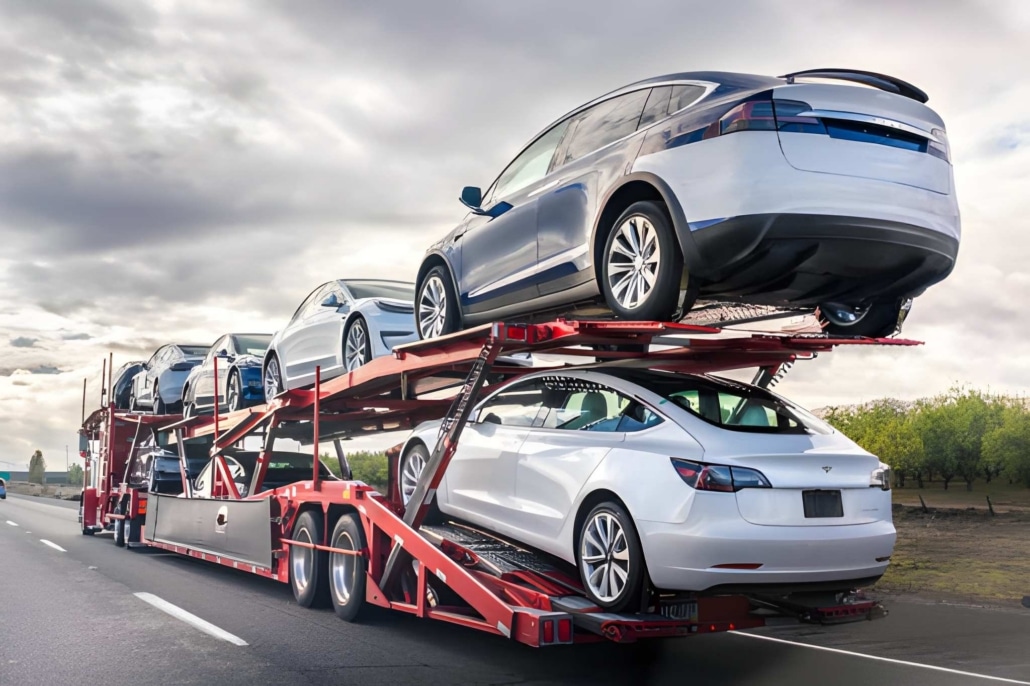
Average Shipping Time from Coast to Coast
You need to know how long it takes to move your car from point A to point B to set realistic expectations for your vehicle shipment. There are general guidelines you can follow based on popular routes used by many car shippers, but each vehicle shipment will be different, and many variables are involved.
Cross-country journeys (East Coast to West Coast)
If you’re shipping a vehicle from the East Coast to the West Coast, then you’re likely shipping your vehicle cross-country, which can be one of the longest and perhaps most difficult shipping routes in the US. If your vehicle is being shipped by truck, the distance is approximately 2800 miles, and the trip usually takes 7-10 days. However, various factors can affect the actual shipping time. For example, the I-95 corridor on the East Coast is prone to traffic congestion due to large cities such as Philadelphia and Washington, D.C. Weather also plays a role, including blizzards on the East Coast and hot summer weather on the West Coast.
Coastal connections (Northeast to Southeast)
The route from Boston to Miami is another major route for auto transporters. This route is commonly called the “snowbird” route because so many people travel back and forth between the North and the South each year. On average, this route is approximately 1,500 miles and can take 4-7 days to complete.
As you would expect, there is high demand for shipping vehicles on this route during the fall and spring seasons. In addition, severe winter weather can add days to the shipping process due to ice and snow. Therefore, many experienced carriers will build in extra time into the shipping schedule during the winter months.
Heartland highways (Midwest to South)
Shipments from Chicago to Houston take 5-7 days and cover approximately 1100 miles through the Midwest. The primary advantage of this route is that the main highways through the area are relatively straightforward and well-marked. That said, weather can still greatly affect shipping time. Thunderstorms can occur in the summer, ice in the winter and springtime tornadoes can all cause problems for auto transporters. Traffic congestion in both the origin and destination cities is typically the greatest impediment to the auto transportation process.
Western Expansion (West Coast to Midwest)
Los Angeles to Chicago is a key route that connects America’s coasts to the country’s interior. Typically, this route takes 5-8 days to complete and covers approximately 2000 miles. As you can imagine, this route goes through a wide range of terrains and climates. These include California’s coastal highways, the desert landscape of the Southwestern US and mountainous terrain in the Midwest. The Southwestern deserts pose several challenges for carriers in the summer, when temperatures reach extreme levels, requiring them to slow down or even alter their shipping routes. At the same time, winter conditions in mountainous regions may result in additional delays or alternative routing.
Fast Southern Shipment (Dallas to Atlanta)
One of the fastest major shipping routes is from Dallas to Atlanta, which typically takes 4-6 days. The distance covered by this route is approximately 800 miles. The relative ease of this route is due primarily to the region’s well-maintained major highways and generally moderate weather throughout most of the year. The route is relatively free of traffic congestion outside major urban areas, and driving conditions throughout the Southern states are generally favourable. These two factors, combined, make the Dallas-to-Atlanta route a popular choice for those who require quick vehicle shipping.
Takeaway
As stated above, having a good understanding of typical shipping times for common routes will help you plan your vehicle shipment more effectively. Please keep in mind, however, that your actual shipping time will depend on several factors, including the carrier’s availability, your specific pickup and delivery locations, and the weather conditions at the time of shipment.
How to Speed Up Car Shipping Times
While most consumers’ transportation needs are met with standard auto shipping, there are many occasions when faster shipment is necessary, e.g., when moving for a time-sensitive employment opportunity or when requiring access to your vehicle for an important event. The following methods help expedite the shipping of your automobile.
Expedited auto transport options
Most reputable car transport companies offer expedited shipping options for those who need their automobiles shipped faster than the standard shipping time frame. Typically, expedited shipping costs 30-50% more than standard shipping. However, depending upon how critical the need for timely shipping is, this extra cost may be justified.
Advantages of expedited shipping include:
- Priority loading: Your vehicle is placed on a carrier immediately upon the carrier’s arrival (no need to wait for a full load to be assembled).
- Faster delivery: Expedited shipping may reduce the standard shipping time by 2-7 days, especially for long-distance shipments.
- Precise scheduling: With expedited shipping, both pickup and delivery windows can be estimated more accurately, enabling better planning and coordination for your relocation.
- Peak season advantage: Expedited shipping provides a distinct advantage during peak shipping seasons when standard carriers may be fully booked for weeks in advance.
Choosing a reliable and efficient car transport company
Your choice of carrier significantly impacts the shipping timeline for your automobile. Generally, a reputable company with established routes, a large carrier fleet, and superior operational systems will provide faster, more consistent service than budget-minded providers.
In selecting a car transport company, research the following:
- Look for evidence of on-time pickup and delivery performance (beyond simply having competitive prices) in customer reviews and ratings.
- Read customer reviews to determine whether the shipping company met its promised delivery deadlines.
- Research the average delivery time for your specific route to understand what to expect for the shipping timeframe.
- Choose a car transport company that offers dedicated account management, including real-time tracking of your vehicle.
- These types of systems enable both the shipper and the driver to communicate quickly in the event of delays or other issues with the shipping process.
It is also worth noting that while choosing the lowest-priced car transport provider may result in lower shipping costs, it may also mean extended wait times for a carrier to be assigned and/or unpredictable delivery schedules.
Flexible delivery windows can be a benefit.
Although it may seem counterintuitive, offering flexible delivery windows can increase shipping efficiency. Flexible pickup and delivery windows can also speed up the process. When shippers provide flexible delivery windows, carriers can create the most efficient routes possible and plan accordingly. Inflexible delivery windows often create inefficiencies in the shipping process because the carrier must make unnecessary adjustments to accommodate them.
Benefits of flexible delivery windows:
- Faster carrier assignment: Shippers that provide a 2-3-day window for both pickup and delivery allow carriers to assign vehicles to existing routes without creating additional logistical challenges.
- Cost savings: Flexibility in the shipping process can lead to savings, which, in turn, can make expedited shipping options more affordable.
- Service options: By providing flexibility between terminal-to-terminal and door-to-door service, shippers can expedite the shipping process because carriers do not have to navigate residential areas, which can create logistical challenges.
Common Problems That Cause the Delayed Delivery of Vehicles Shipped by Car
Weather-related delays
Nature is the biggest wild card when it comes to shipping vehicles by car. In the Midwest and Northeast, snowstorms can close entire interstates. Hurricanes can close down coastal roads and prevent carriers from moving goods in affected areas. Heavy rains and fog also slow transportation for safety reasons.
Smart shippers use weather forecasting to plan their shipment routes before booking, and keep in mind that during winter months or hurricane season, there may be additional delays. If you are shipping during either of those seasons, add some time to your overall shipping schedule and discuss potential weather-related delays with your carrier.
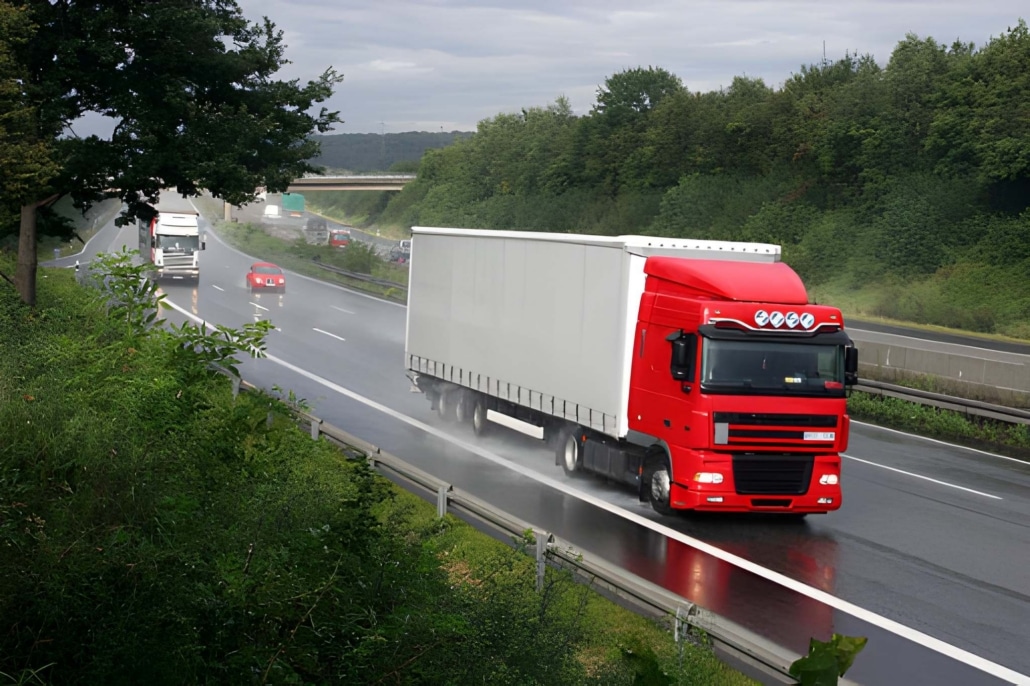
Traffic and route construction delays
Metropolitan cities such as Los Angeles, Chicago, and Atlanta always have congested roads that can take hours to clear after a shipment is delivered. The summer months always have construction, and many highways are closed for lane or full-route construction. Interstates are under renovation and may require a detour, causing unexpected delays to your shipment.
Before you book a carrier for your shipment, ask them about any road construction that may affect your route. They should know about any problems that may cause delays and how long those delays may last. A good, experienced carrier will be aware of any road construction that may affect your shipment and will adjust the estimated delivery time accordingly.
Long wait times for transport availability
The peak moving seasons create a bottleneck for carriers. There is always a great demand for Northeast-to-Florida routes during Snowbird season (October – November and March – April), and there is a lot of competition for cross-country routes during the summer months. These are the times when you may experience extended wait times for your carrier to assign a truck to your shipment.
If you are shipping your vehicle during the peak season, it is best to book well in advance (at least two to three weeks prior). Shipping your vehicle during the off-season will result in a faster carrier assignment and a better price.
What to Expect When You Ship Your Vehicle Across the U.S.
Booking and preparation timelines:
- Book your vehicle transport 1-2 weeks in advance or 3-4 weeks in advance during high season.
- Prepare your vehicle by removing personal items, documenting existing damage with photographs, maintaining the gas tank at least ¼ full and ensuring the vehicle will run properly.
- Most carriers require 24-48 hours’ notice before picking up the vehicle.
Pickup/delivery times:
- Instead of an exact pickup/delivery time, you can expect a multi-hour pickup/delivery window (i.e., 8 am-12 pm).
- The driver will contact you 24 hours in advance to provide an estimated time window; be flexible!
- It should take no longer than 15-30 minutes to complete an inspection of the vehicle, sign paperwork and load/unload the vehicle.
- A similar amount of time is expected for vehicle delivery.
Final inspection process:
- When the driver delivers your vehicle, you will have approximately 15-20 minutes to inspect it thoroughly.
- Compare your vehicle to your original documentation (photographs) and the carrier’s inspection documentation.
- If any new damage was caused during transportation, document it with photographs and include them in your comments on the delivery receipt.
- Damage due to transportation can only be documented during this time period; therefore, it is best to inspect your vehicle closely while mindful of the time constraints.
Conclusion
Knowing the shipping schedule and potential delays is just the beginning; working with a reliable transporter will make the difference. Preowned Auto Logistics is a combination of years of industry experience, open communication and affordable rates to get your vehicle delivered safely and on time. We continuously track your route, weather conditions and traffic conditions to estimate delivery accurately. Are you ready to ship your car? Get your FREE quote today and enjoy a hassle-free auto transport experience with a company that puts as much value on your time as you do.