

Car Shipping Case Study: Lessons Learned from a Reported Vehicle Theft Incident
When you hand your car keys to a transport driver, you are trusting the vehicle’s future safety into the hands of someone else. There’s no GPS to track, no real-time tracking, nothing but an agreement and a company’s word to ensure your vehicle arrives safely. Fortunately, for the vast majority of people who use car shipping services, that faith is well-placed. Your car is transported as promised, and life moves on.
However, like any industry dealing with valuable items that travel over hundreds or thousands of miles between various individuals, the car transport business isn’t entirely without risks. On a rare occasion (although more often than people think), that trust can be exploited.
Vehicle theft during transit isn’t typically a topic you read about in the news. For one, it’s an exceedingly rare event, and for another, it generates difficult questions when it happens: Whose hands held the keys? Who broke the chain of custody? Was it the broker, the carrier, or someone on the inside?
This case study dives into one such incident. It’s not meant to discourage you from using auto transport for your car; instead, it’s to trace the path of a stolen vehicle and uncover where the system broke down. Here are some critical lessons we all need to learn.
Case Study Overview: A Reported Vehicle Theft Incident During Transport
The story begins as many auto transport cases do. A client hires a broker to ship their car, is given a pickup date, hands over their keys, and waits for their vehicle to arrive within the scheduled timeframe. All normal, right?
Except that’s where the normal part ends.
Following the pickup of the car, communications from the broker began to dwindle. The promised regular updates stopped coming in. The days passed. The window for delivery passed. When the client asked what was going on, they were never able to get a direct answer. Ultimately, they had no idea where the vehicle was.
This case eventually went to the authorities and turned into a stolen vehicle investigation. Regardless of whether the issues were due to criminal intent, extreme negligence, or a breakdown of the whole operation, the fact remains that there were gaps in the process that allowed it to happen. And that’s where the investigation is really needed.
Key Learnings from the Incident
So, what happened? There wasn’t a single definitive cause for this incident. Instead, it was more like a domino effect of unfortunate events, where each mishap increased the odds of the next. As we examined the different aspects of this scenario, several red flags stood out clearly:
- The communication breakdown was clear. The customer was clearly unhappy with a lack of updates and lacked a straightforward avenue to escalate their concern. By the time the situation became alarming, the vehicle had already disappeared from the radar.
- There was zero visibility in the shipment. Without a tracking number or regular check-ins with the vehicle, the truck essentially vanished into the logistics black hole. The customer was completely unaware of the car’s location or its current owner.
- Carrier verification was unclear: For auto transports, one of the most important questions is “Who is driving the car?” This case provided a vague answer at best, emphasizing the ease with which things can go awry during the broker-to-carrier hand-off.
- Documentation gaps are harder to resolve: When issues arise in the transport industry, paperwork plays a crucial role. A lack of completed inspection and transport documents delayed the investigation and created roadblocks for the insurance process.
- Nobody takes ownership of the problem: In broker-carrier scenarios, it’s incredibly easy to drop the ball of responsibility. The broker throws it at the carrier, the carrier throws it back at the broker, and the customer is left to mediate between two entities who seem more interested in shifting blame than finding a solution.

Where Auto Transport Processes Can Break Down
There are a few weak spots in the auto transport system, no matter how trustworthy the people or the companies are.
- Carrier vetting process: Most brokers use a huge network of companies, and the screening processes vary greatly. Some brokers take the extra step of thoroughly verifying each carrier’s licenses, insurance, and history. In contrast, others will quickly onboard companies to fill slots faster or offer lower prices.
- Lack of real-time communication: Many companies still use old-school methods for checking in with drivers, such as calling. If a driver goes silent or a shipment is delayed, no one will be automatically notified unless someone spots the delay in the middle of an already chaotic workflow, which doesn’t always happen.
- Vehicle inspections at pickup are often rushed: Every car should be inspected thoroughly, taking detailed notes and photos of any damage. The customer should receive a signed Bill of Lading detailing the condition of the vehicle. However, sometimes pickups are made too quickly, the documentation isn’t very detailed, and the customer won’t always get a copy of the report.
- Pickup and delivery coordination: If customers aren’t given clear information about who will pick up and deliver their vehicle, when they can expect them, and what to expect, they may not be able to notice anything out of the ordinary (like an unexpected driver or vehicle transfer).
How a Structured Auto Transport Process Helps Prevent These Issues
Ultimately, these problems aren’t inherent. They pop up when companies think of process as an afterthought rather than the backbone. But companies that get it right have some common characteristics.
They thoroughly vet their carriers before letting anyone take the wheel. This means they actively confirm their FMCSA registration, make sure their insurance is legit, and verify their track record rather than just running a cursory database search.
They see documentation as a tool, not just a formality. A completed Bill of Lading with legible notes about the cargo’s condition, plus signatures from both the driver and recipient, provides an official paper trail for protection in case of a dispute.
They communicate with their customers regularly, even when nothing goes wrong. Staying in touch puts customers’ minds at ease and allows them to flag issues early before they balloon.
They have a well-defined structure of accountability. The customer has a clear point of contact, an escalation procedure in place, and no question about who’s managing their business from pickup to delivery.
By incorporating these steps, you greatly reduce your chances of having the type of situation described here. What’s more, if an issue does arise, your streamlined process allows for quicker detection and resolution.
Customer Checklist: How to Protect Your Vehicle During Shipping
You can do a lot to reduce your risk before your car leaves the garage. Here’s a rundown of where to start:
#1. Check credentials: Twenty minutes reviewing a company’s qualifications will spare you more pain than you can imagine. Check their FMCSA authority and MC# and ensure they are properly insured. This single check can eliminate a majority of scams.
#2. Read the contract carefully: Don’t shy away from reading your contract thoroughly before signing. Be sure you are aware of what is and isn’t covered, as well as the procedures to initiate a claim if something unforeseen occurs.
#3. Document everything: Before signing anything over, make a complete and detailed report of your vehicle’s condition. Get timestamped photos of every individual exterior panel, the entire interior, and the undercarriage if possible. This is not paranoia, but prevention.
#4. Remove personal items: Generally, personal goods are not covered by shipping insurance, which complicates the situation when personal goods are included with the car in a shipping insurance claim. Just leave them.
#5. Confirm pickup details: Be sure to confirm the full pickup information. You should have the name of the driver, a timeframe for their arrival, and a direct number in case anything feels strange.
#6. Keep copies of everything: If a conflict arises, documentation will be your most valuable ally. Save the original Bill of Lading after you’ve signed it, as well as the inspection report and the original booking confirmation.
What to Expect During Vehicle Pickup
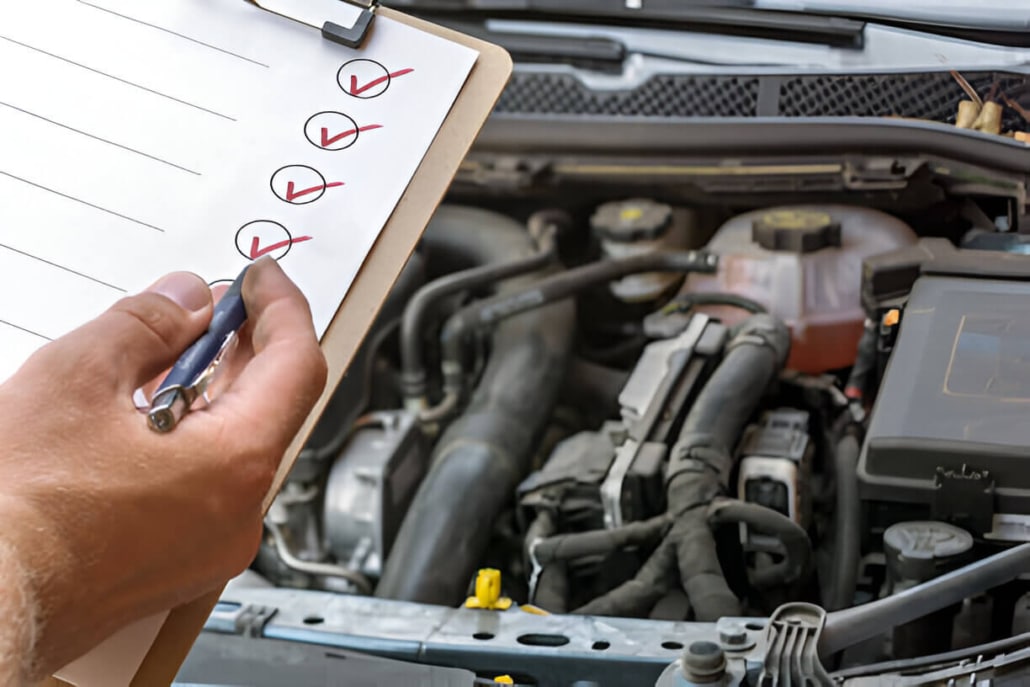
A professional pickup should never be a hurried or ambiguous process. When the truck arrives, the driver should introduce themselves, verify that they are your designated transporter, and then begin the inspection. This process includes a comprehensive walkthrough, which documents any damage that already exists on the vehicle’s exterior and interior.
This entire process is documented on the Bill of Lading (BOL) form. You and the driver will both sign the BOL, and you’ll want to get a copy before the truck departs with your shipment. The pickup should not conclude without establishing a projected delivery window and exchanging contact information.
If you notice any hurried or omitted steps, it’s a signal to pay attention, pause, or even reconsider the driver.
Common Mistakes Customers Should Avoid
When you look for the cheapest price tag on an auto transport company, there is usually a catch. It could be that the company’s screening processes are a bit looser, their insurance is not as substantial, or they are outsourcing the job to even more subcontractors. This does not mean that you should dismiss more affordable options, but it is a risky venture to base your decision on cost alone.
A mistake you really want to avoid is failing to check your potential provider’s credentials. It really doesn’t take long to do, and you may find tons of warning signs.
Also, don’t forget the paperwork for your vehicle! So many people complain afterwards when their car arrives damaged because they failed to include this in the plan. If you can’t report your vehicle’s damage when you send it off, you’re fighting a losing battle when damage is found.
Another mistake to avoid is disregarding early warning signs like vague or evasive responses, unhelpful answers, or conflicting information. You should never ignore these warnings. A shipping company that is bad with communication before your car is shipped is certainly not going to be good with it after your car is already in their possession.
Key Takeaways from This Case Study
Let’s get right to the point: rare but serious incidents such as this don’t just “happen” out of nowhere. They are a direct result of a faulty process, poor supervision, and a lack of clear accountability. In this instance, the customer wasn’t at fault. They purchased a service and trusted it to deliver. The fault lay squarely within the system they relied upon.
What this incident clearly highlights is that a top-notch provider isn’t just someone who offers the most competitive price or a convenient pickup window. It’s a company that has a process strong enough to withstand pressure, one that documents, tracks, and assigns ownership of each shipment element. Their teams are aware and responsible.
When customers are privy to this, they’re in a much stronger position to make educated choices. They will pose sharper questions, challenge any concerns, and ultimately, never hand over their car keys until they are certain the correct person is driving away with it.
Frequently Asked Questions About Vehicle Safety in Car Shipping
How common is vehicle theft during auto transport?
Genuine theft incidents are rare. The bigger risk for most customers is damage, delays, or poor communication, not outright theft. But rare doesn’t mean impossible, which is why process matters.
How do I verify a car shipping company?
Start with the FMCSA website. Check their operating status, MC number, and insurance. Customer reviews add context, but the regulatory record is the foundation.
What is a Bill of Lading?
It’s the legal document that records your vehicle’s condition at pickup and delivery, along with the terms of the transport. Never let a vehicle move without one.
Should I leave personal items in the car?
No. They’re not covered under standard transport insurance, and their presence complicates things unnecessarily.
What do I do if updates stop coming?
Call the company directly and ask for a status update. If you can’t get a clear answer within a reasonable window, escalate to their management and document every attempt you make.
Does insurance cover theft during shipping?
It depends entirely on the carrier’s policy. Confirm coverage specifics before booking, not after something goes wrong.
Conclusion: Choosing the Right Process for a Safer Shipping Experience
Shipping a vehicle has proven to be effective, benefiting millions annually. However, this study highlights that the service, not just the assurance of a sound outcome, is what provides it credibility. Evaluate transportation providers beyond the pricing and claims; question their carrier verification and the pickup inspection, and inquire about their point of contact in case of an issue and their expected response time.
A clear, assertive answer in response to these queries will lead to trustworthy service providers that have diligently considered the logistics involved. Ultimately, reliable documentation, efficient communication, and clear accountability either form a part of a provider’s operational process or do not, and understanding this beforehand is key to a trouble-free transportation experience and avoiding a situation such as this.