
Electric Vehicle (EV) Shipping: Special Considerations for Safe Transport
Did you know that electric vehicle sales surged by 35% in the first quarter of 2025? As EV sales continue to climb, it’s important to consider: how should these valuable vehicles be shipped? Beyond the standard vehicle-protection procedures, EV shipping involves specific battery handling and wrench-vector requirements, and you don’t want scratches! You should be using a specialized company like Preowned Auto Logistics.
PAL is trusted to ship EVs with care, and we work with you to ensure proper handling with every shipment. Keep reading to find out everything we do to make sure you get your vehicle to its final destination both safely and affordably.
Why EV Shipping Requires Special Attention
Shipping an electric vehicle is fundamentally different from shipping a gasoline or diesel-powered car. Though all vehicles have four tires, a steering wheel, and fit on a carrier, specific logistics are involved in transporting an EV. The inherent differences within the structure and operation of EVs set them apart from conventional vehicles, so shipping them must be a specialized service.
Here are just a few ways that shipping an electric vehicle differs:
The lithium-ion battery pack
The hallmark of an electric vehicle is what distinguishes it most from a gasoline-powered car. The large, complex lithium-ion battery packs used in electric vehicles contain hazardous materials and come with unintended risks. Therefore, providers need to follow some crucial steps for battery safety in transport. These critical components can become dangerous and are difficult to put out in case of thermal runaway if they are damaged or exposed to kinetic shocks or extreme temperatures. Transport carriers require special, completed training certificates for battery transport safety.
Increased weight and weight distribution
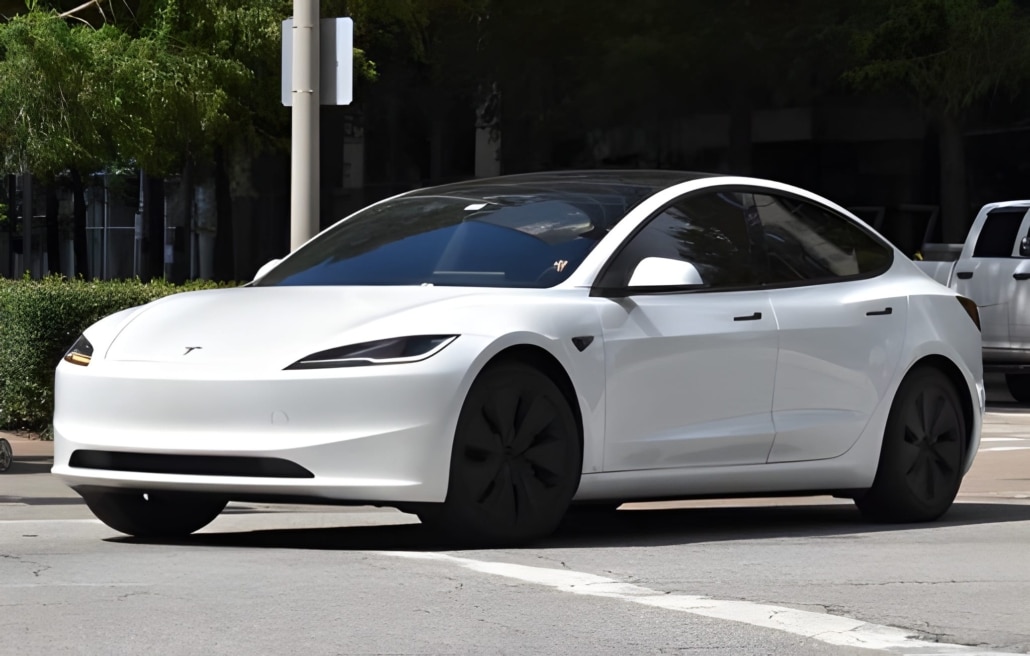
Electric vehicles weigh significantly more than gasoline-powered vehicles. Even a compact electric like a Tesla Model 3 weighs around 600 pounds more than a comparable car, such as the Honda Civic Sedan. The battery pack is also positioned towards the bottom center of the vehicle, which shifts the weight and changes how these vehicles need to be loaded, balanced, and secured during transport. Making sure that an electric vehicle does not move or shift during transport is crucial in avoiding damage.
Supporting onboard electronics and software
Vehicles are becoming more of a computer than a mechanical device. Their sensors, displays, and complicated propulsion systems connect to other components for convenience, entertainment, and data collection, not to mention the software required for features like lane, high-speed, and self-driving assistance. Wrong jump-starting procedures, fake tow pins, and other common transport pitfalls can put gateway and body control modules into a locked state, causing irreparable damage.
Key risks during EV auto transport
| Risk Area | Description | Why It’s Critical for EVs |
| Battery Damage | Damage to the undercarriage can puncture the battery pack and cause a short circuit, resulting in a fire. | Motor carriers must employ approved lading methods and restrain the vehicle without making contact with the high-voltage battery enclosure. |
| Thermal Runaway | Thermal runaway is an uncontrolled self-sustaining exothermic chemical reaction, resulting in a fire very difficult to extinguish. | Electric vehicles must be charged to the authorized shipment state and monitored without warning signs. |
| Software Glitches | Inadvertently activated “Sentry Mode” or automatic software updates can deplete the battery, leading to dead-on-arrival vehicles or electrical imbalances. | All non-essential electrical loads must be deactivated prior to transport. |
| Improper Securing | Inappropriate tie-down points can lead to damage of undercarriage components, suspension, or perforation of the battery pack. | Drivers must be trained on vehicle-specific, manufacturer-recommended tie-down points when transporting electric vehicles. |
Step 1: Preparing Your EV for Transport
A little prep work goes a long way when shipping your vehicle. Just like packing up all your belongings for a move, preparing an EV for transport involves a bit of legwork.
- State of charge: This part of the vehicle prep checklist is EV-specific – and arguably the most important. You might assume that the fuller, the better, but that’s not the case.
- Stay in the 30% to 50% range: The industry standard for safe battery shipping is a state of charge between 30% and 50%. Multiple sources say that anything lower or higher is unsafe.
- Why is there no 100%? Think of it this way: the more potential energy a lithium-ion battery holds, the more dangerous it can be during transport. That’s why freight carriers and manufacturers often require a SoC below a certain level.
- Why no less than 20%? An electric vehicle needs sufficient SoC to operate when loading and unloading from the transport truck. A battery’s Depth of Discharge, meaning how low the pack voltage can go, is a critical design specification. Letting it exceed the nominal rating damages lithium-ion batteries. In addition, there will be some SoC loss while your EV experiences in-transit “vampire drain.”
Disable non-essential systems and alarms
Some advanced features on your EV can end up being a hassle during transport, so here’s a list of things to do before handing over your keys:
- Disable autonomous modes/sentry function: Sentry Mode activates the cameras and other sensors to watch the surroundings, which can drain your battery quickly and probably gets triggered non-stop by the motion of the transport truck.
- Turn off updates: You don’t want the car to get stuck in an update because it’s in the carrier’s hands during that time.
- Deactivate connected apps: Disable remote start, climate control, lock/unlock, and location services. The transport company should know if your car is tracking and/or if your GPS tracking was just for peace of mind.
- Turn off alarms: Turn off your alarm system or put it in transport mode if that is an option. An obnoxious alarm drains the battery and is a pain the whole time.
Document everything
While this is standard practice for all auto transport, it’s even more critical when shipping a valuable electric vehicle.
- Wash your vehicle: Cleaning your car allows you to properly assess and document pre-existing scratches, dings, and dents.
- Document the condition: Before shipping the car, take comprehensive pictures and videos of your vehicle from all angles. Make sure to take close-ups of existing damage. Include the interior, dashboard, tires, trunk, odometer reading, and battery percentage.
- Remove personal belongings: Moving companies are not authorized to transport personal items, and their insurance does not cover lost or damaged items. Ensure that the cab, glove box, center console, and trunk are all clear of personal items and accessories, including charging/power cables.
Step 2: Choosing the Right Transport Type
Determining whether to ship your EV in an open or enclosed carrier ultimately comes down to price, convenience, and care. Here are some differences to consider.

Open carrier transport
Open carrier transport is the most common way to move cars. In this method, multiple vehicles are loaded atop a double-decker auto transport trailer and exposed to the elements.
Pros:
· Cost-effective: Open carrier transport is always less expensive than enclosed transport.
· More availability: More open car transporters are available nationwide than enclosed carriers, ensuring more flexible scheduling and pickup times.
Cons:
· Exposure: Vehicles shipped via open carrier transport are exposed to rain, sun, hail, road debris, and other hazards.
· Less security: Open transport is generally safe; however, the lack of a locked trailer makes vehicles more vulnerable to theft and vandalism.
Enclosed carrier transport
Enclosed transport involves shipping in a fully covered, sealed trailer, which protects the car from all the outside elements. The only other vehicle transport option that comes close is open transport. It’s the best choice for exotic, classic, or high-value cars, many of which are EVs, and for vintage vehicles.
Pros:
· Maximum protection: Weather and road debris can’t reach the car, and the enclosure keeps dust, dirt, and road grime to a minimum.
· Enhanced security: Because the car is inside and enclosed, it’s less of a target for thieves.
· Specialized handling: Drivers, transport companies, and terminals tend to be more familiar with exotic cars and customized transport due to the smaller number of vehicles in the trailer.
Cons:
· Higher cost: Enclosed transport costs about 40-60% more than open transport, which is a significant increase.
· Less availability: Far fewer carriers are available for enclosed transport and freight, which could lead to increased wait times for pickup.
Open vs. enclosed transport for EVs: A comparison
| Feature | Open Transport | Enclosed Transport |
| Protection Level | Exposed to elements and road debris | Fully protected and shielded |
| Cost | Lower | Higher |
| Availability | High | Lower |
| Best For | Standard EVs, budget-conscious shipping | High-value, new, or luxury EVs (e.g., Porsche Taycan, Lucid Air), cross-country EV shipping |
| Weight Factor | Can accommodate most EVs, but very heavy models (e.g., GMC Hummer EV) may require special placement. | Often uses heavy-duty trucks capable of handling the extra weight of EVs. |
Step 3: Battery and Charging Considerations
The EV battery is critical during transit, as it’s often the primary focus for potential issues both before shipping and once the vehicle is on the carrier. Fortunately, reliable EV car transport service providers keep protections in place to ensure safe transit.
Safety protocols for lithium-ion batteries
Carriers with EV transport safety policies should include training sessions for drivers to understand these points:
- No tampering: Drivers should not charge vehicles unless conducting unintended movement mitigation and should only do so as a last resort. If the driver encounters a car that requires charging to complete a tow, they must contact dispatch for instructions and equipment before taking the initiative to charge the vehicle.
- Proper loading equipment: Winching bridle ropes should be rigged to a boom or A-frame snatch block. The driver needs to know the EV-specific rigging points above the vehicle’s windows. No hook points are on the battery housing or any disabled vehicle’s undercarriage unless directed by the transport company.
- Emergency response training: Drivers must learn how EV battery issues might present with warning lights, bubbles, noises, or smoke signals, high-voltage electrical fire extinguisher types for vehicles, and basic protocol do’s and don’ts until first responders arrive. All carriers must have a minimum of a Class D extinguisher for metal fires, which won’t successfully extinguish a runaway battery incident.
Working with an experienced EV carrier
When screening a transport company, rehearsing and refining your questions and knowing what you want beforehand can help.
- “Have you shipped a [Your EV Model] before?”
- “Are your drivers trained in EV-specific loading and securing procedures?”
- “What are your protocols for handling battery-related emergencies?”
An EV-specific transporter like Preowned Auto Logistics, experienced with what you are moving, shouldn’t hesitate to know its answer and its procedures to make you more secure.
Step 4: Transport Timeline and Logistics
Understanding and setting realistic expectations for your cross-country EV shipping will help ensure a stress-free experience. Transporting an electric vehicle follows the exact general logistics as vehicles with internal combustion engines. However, several factors unique to EVs can alter delivery timeframes.
Typical shipping timelines
Though individual situations differ, these guidelines give you an approximate idea of how long it may take to ship your EV:
- Local/Regional (Less Than 500 miles): 1-3 Days
- Cross-Country (Coast to Coast): 7-14 Days
- Factors Likely to Affect Transportation Periods
Factors that can impact your EV transport timeline
- Carrier availability: If you plan to ship in an enclosed carrier, you may have to wait longer as the driver needs specialty vehicles and/or equipment that fit your specific route and schedule.
- Route and distance: Longer distances will take more time. However, it’s worth noting that while rural or remote pickup and drop-off may take longer, well-known interstate routes are generally shipped faster than their alternative routes.
- Weather conditions: Road conditions/safety can cause critical delays when snowstorms, hurricanes, tornadoes, or severe thunderstorms present significant impacts.
- Driver hours: Trucking companies and carriers are beholden to driver hours mandated by federal regulations that limit the number of hours driven in one day and the number of consecutive days on the road.
- EV-specific demand: In some regions, the demand for specialized EV carriers exceeds the supply. If you live or are shipping to a location with limited availability of such carriers, your shipping time may take longer as you wait for one to open up.
Step 5: Tracking and Communication During Transit
Once your EV is on its way, you’ll naturally want to know its status. Reputable auto transport companies offer several ways to stay updated.
- GPS tracking: The best auto carriers have GPS on their trucks. Once your vehicle is loaded on the car, you can log onto the auto carrier’s website or app to see the truck’s current location.
- Carrier communication: You will be given a driver’s number after pickup. Text or call them a short, polite, non-aggressive message asking for an ETA. Don’t call repeatedly. The driver is focusing their attention on the road and traffic.
- Dispatch/customer service: The best way to get updates is to call the auto transport company’s dispatch or customer service directly. They are on the phone or app with the driver all the time, and they will have the best info on delivery updates.
Best practices for staying informed
- Establish a communication plan: Before pickup, it’s a good idea to ask your broker or carrier how they send you updates and what to expect.
- Be patient: Understand the delivery window is an estimate. An accident or weather can change that.
- Report special needs: Inform the carrier of any special instructions regarding pickup, delivery, or en route. Provide details such as gate codes, the need for a boom truck, and narrow streets.
Step 6: Delivery and Post-Transport Checks
You’ll have one final opportunity to inspect your EV before signing the paperwork.
Your delivery inspection checklist
Have your pre-transport photos handy. During the vehicle review with the driver, follow the steps below.
- Exterior inspection: Walk around the car and look for any new scratches, dents, or scuffs that were not on the pre-shipment report (the Bill of Lading).
- Power on the vehicle: Ensure all warning lights and errors are present on the dashboard, including any indicating battery or power train issues.
- Check the battery: The vehicle’s SoC should be lower than the transported vehicle’s SoC but higher than a completely dead battery.
- Test basic functions: Quickly check the power windows, infotainment display, and headlights.
Review the bill of lading (BoL)
In case of damages not listed in your official pickup pre-determined photo documentation, you must make sure they are notated on the BoL before signing. There are no exceptions and no mistakes there, as it is crucial for liability purposes and for Toy’s insurance claim. By signing the BoL, and if you haven’t made any such notations, you are stating that the vehicle arrived in acceptable condition. This is a binding statement on your end, and it will be very complicated to file for liability.
Conclusion: Ensuring a safe and stress-free EV transport
Transporting electric vehicles requires specific considerations. Here’s a checklist for effective EV shipping:
- Keep battery levels between 30 and 50 percent and turn off non-vector electronics.
- Decide between open or enclosed transport based on your vehicle’s needs.
- Choose a trusted shipping carrier with experience transporting EVs.
- Perform a pre-transport inspection and remove loose items before transport.
- Take note of the condition of the vehicle for reference.
- Verify insurance coverage and prepare necessary documents.
Let the professionals at Preowned Auto Logistics guide you through the process for a transparent and smooth shipping of your electric vehicle. Request your free quote today and trust us to handle your EV shipping with care.